












Correcting hooded eyelids: what helps and what does not
Hooded lids make us look tired and old when we are not. And they do not go away again: no matter how many creams and tricks you try — once the skin falls over the lashes, it stays there. This page says why that is, what actually helps and what we deliberately do not recommend.
- Correction from €2,600
- Procedure from about an hour
- 1 to 3 weeks of downtime
- Scar in the lid crease
- 2,000+eyelid operations at the Kuzbari Centre
- 3specialists for eyelid surgery
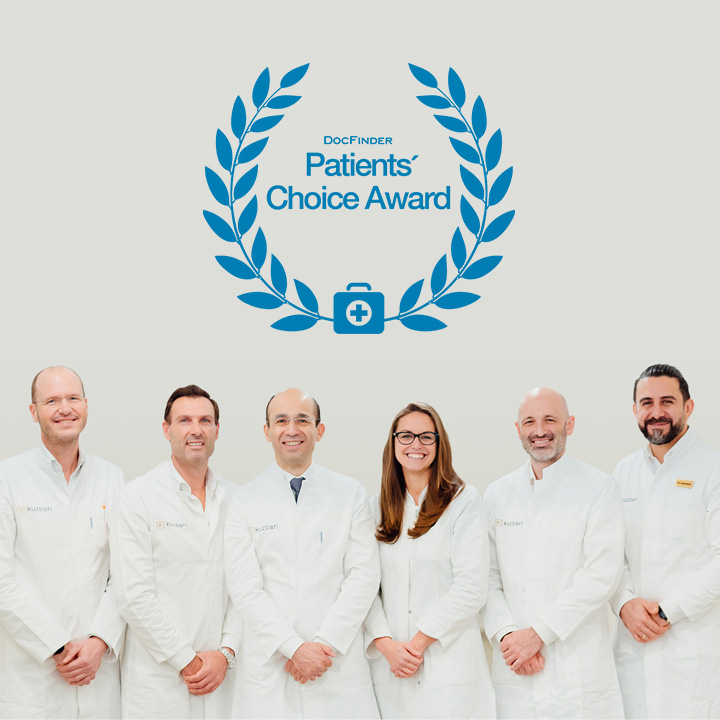
- 11times in a row: Patients’ Choice Award
- 38DocFinder awards in total
What hooded lids are
Hooded lids arise when the excess skin of the upper lid folds down over the lashes. The overall picture and often the first impression suffer for it: self-confidence suffers, and sometimes even the field of vision is affected. Hooded lids can be corrected by a small surgical procedure, and those affected regain their bright, fresh appearance.
Hooded lids are among the typical signs of ageing. They appear earlier in some people and later in others; most patients are over forty when they decide on a correction. At the Kuzbari Centre we deal with this by blepharoplasty: the upper lid is tightened, and the eyes look awake again.
But there is another group, and it is larger than one might think: people who even as teenagers had little visible upper lid skin and could never apply make-up well. Several of the cases further down this page are patients between twenty-two and twenty-eight. So a hooded lid is not necessarily a question of age.
Why no cream helps
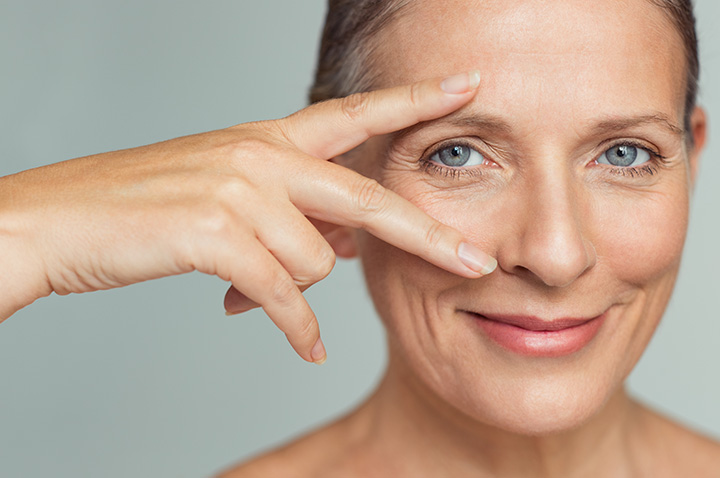
A hooded lid is not a moisture problem of the skin but a mechanical one: there is too much tissue in a place with too little room. Care can smooth the skin and improve the complexion, but it cannot remove tissue. That is why the fold stays once it has formed.
Why hooded lids matter so much
The eyes are a particularly striking feature of the face. They can be decisive for the overall picture and make us look either tired and drained or fresh and full of energy. An open gaze lends a presence that matters not only in daily life but at work. Many women and men lose that presence when the tissue in the upper lid region slackens: looking in the mirror, they no longer see the energetic person they actually are.
Besides the visual benefit, a general sense of well-being is often a result of the correction. With markedly hooded lids the person’s own vision is frequently affected. After the correction the eyes open more easily and comfortably. So afterwards the eyes do not only look better, they feel better.
And one more thing: faces are sorted at first glance — tired, grumpy, unfriendly. The way we perceive a stranger’s face is the way we meet the person behind it. Anyone addressed under that heading responds to it, and the circle starts again. Several of our patients report exactly that: that they were relaxed and were still told they looked stern.
People used to tell me I looked tired and stressed. Now, even when I am tired and stressed, they tell me how fresh and relaxed I look.
The self-test: skin, brow or lid?
Before you make an appointment you can get a first impression yourself. Stand in front of a mirror and consciously relax your forehead — that is the hardest part, because many people raise it unconsciously.
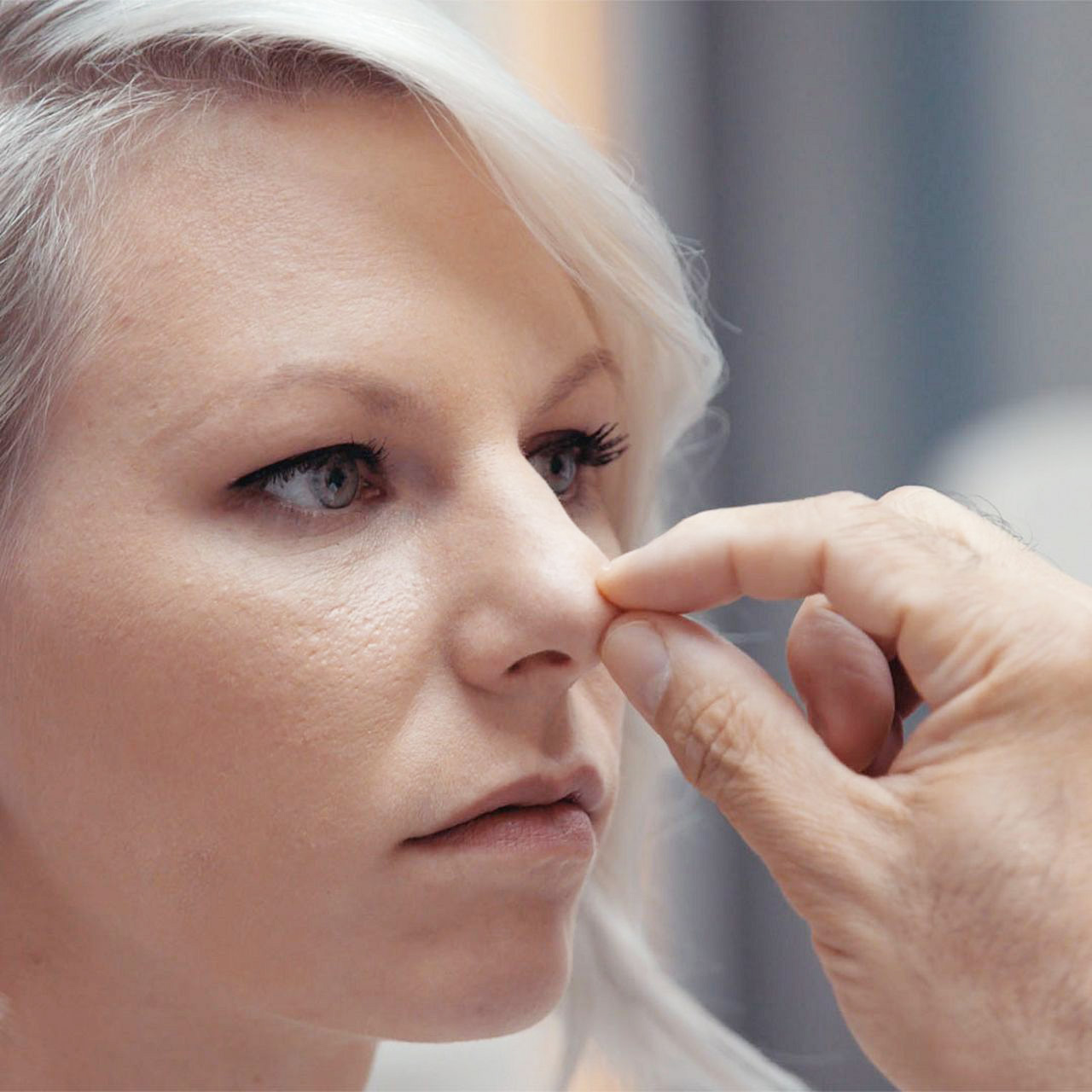
- Gently lift the excess lid skin with a finger. If the eye is then free and the lid margin clearly visible, that points to excess skin — a classic hooded lid.
- If the lid margin still sits low over the pupil, the lid itself is drooping. That is ptosis and is treated differently.
- Compare a current photograph with one from your twenties. If the brow sits lower today, the brow is part of the cause.
- Notice whether you have tension in the forehead and neck in the evening. That is a sign that you compensate all day long to keep the eyes open.
- Only the examination can classify this reliably — measuring lid height, muscle function and brow position.
| Finding | Sign | The right route |
|---|---|---|
| Excess skin on the upper lid | The skin falls over the lashes; lifted, the eye is free. | An upper eyelid lift. To the upper eyelid lift |
| A weak levator muscle | The lid margin sits too low even when the skin is lifted. | Correction of the drooping lid. To ptosis |
| A descended brow | The lid reads as heavy although there is hardly any excess skin. | A brow lift, with brow fixation if needed. |
| Missing volume in the socket | The eye region reads as hollow; a lift alone would emphasise that. | Fat grafting, usually together with the lift. |
What is possible without surgery — and what is not
We are often asked whether it can be done without a scalpel. The honest answer is: partly. For patients who need the brows raised but do not want surgery, an Ultherapy soft lift is an option. It is performed entirely without a scalpel, and you are usually presentable straight afterwards.
What such a treatment does not do: it removes no skin. If the upper lid is weighed down by a genuine excess of skin, no tightening from outside will change that. We would rather say so beforehand than sell a treatment that does not solve the problem.
When does an upper eyelid correction make sense?
DDr. Jessica Wittmann explains when a procedure is worthwhile and when it is too early for one.
When should I have my upper eyelids corrected?
On timing: what argues for and against acting early.
At a glance
- First consultationAbout an hour
- ProcedureDay case, no overnight stay
- AnaesthesiaLocal or twilight sedation
- Length of the operation1 to 4.5 hours
- Suture removalAfter about a week
- Back at workFrom 3 days (desk work)
- Back among peopleAfter 1 to 3 weeks
- SportAfter 2 to 3 weeks
- Final resultAfter 2 to 3 months
- CostFrom €2,600
Guide figures for eyelid surgery at the Kuzbari Centre. What applies to you depends on the extent of your procedure and is settled after the examination.
The day of the operation
Because perfectionism is taken seriously at the Kuzbari Centre, eyelid surgery takes between one and four and a half hours. Our surgeons adapt the method to the individual situation and take the time it needs.
In an upper eyelid lift, the excess skin, the protruding fat and, where present, slack muscle are removed. The correction is carried out as a day case, with the region numbed locally. A precise incision in the natural lid crease will be barely visible soon after the operation. Straight after the procedure exertion should be avoided; after two to three weeks you are fully presentable again. People around you will notice your fresher appearance, but usually not that you had an operation.
The result of the eyelid lift is a fresh and younger appearance. It appears after about two to three months. With the right surgical technique the natural shape of the eye is preserved: if the operation was well done, all you notice afterwards is the fresher, brighter gaze, because there is no change of type.
Bespoke work, not mass production
Since, apart from identical twins, no two people look exactly alike and aesthetic wishes differ, there can be and should be no routine operations. We plan every procedure individually and set the technique and the operating time by what the findings call for. The patient does not fit the method; the method fits the patient.
That is exactly why eyelid surgery takes us between one and four and a half hours. Because the theatres are ours, the work is done without time pressure — in the preparation as much as in the execution.
The importance of experience shows in the fatty tissue: remove too much and the eyes look hollow and tired. Remove too little and the result is barely perceptible. The best possible result is a precise landing, and behind it lie experience, precision and respect for the task.
- Booking a consultation
Round the clock through the online booking, through the contact form or by telephone on 01 358 28 01. You book directly in the diary of the specialist of your choice.
- The first consultation
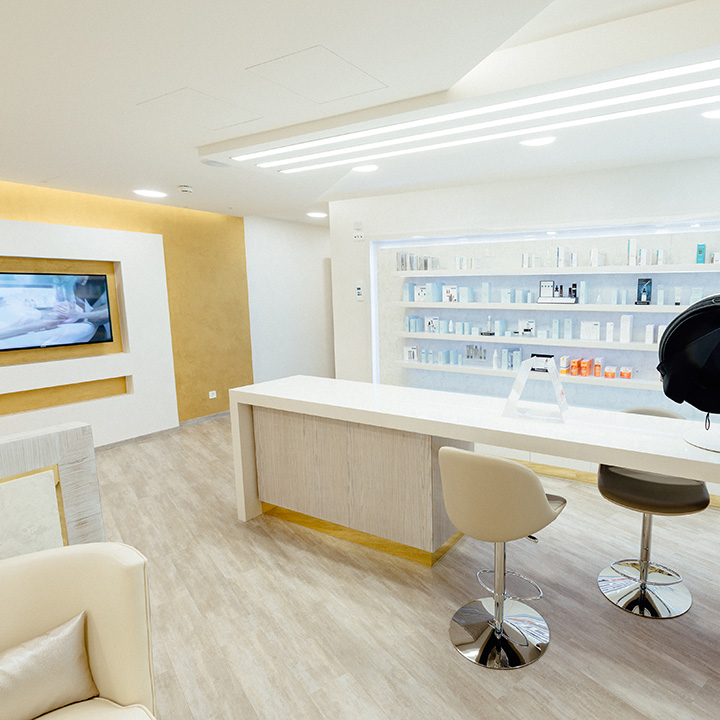
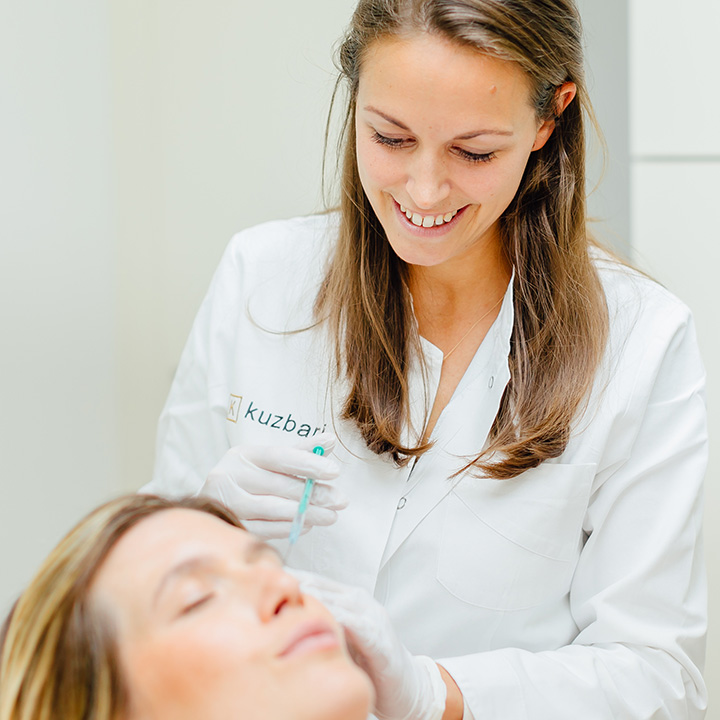
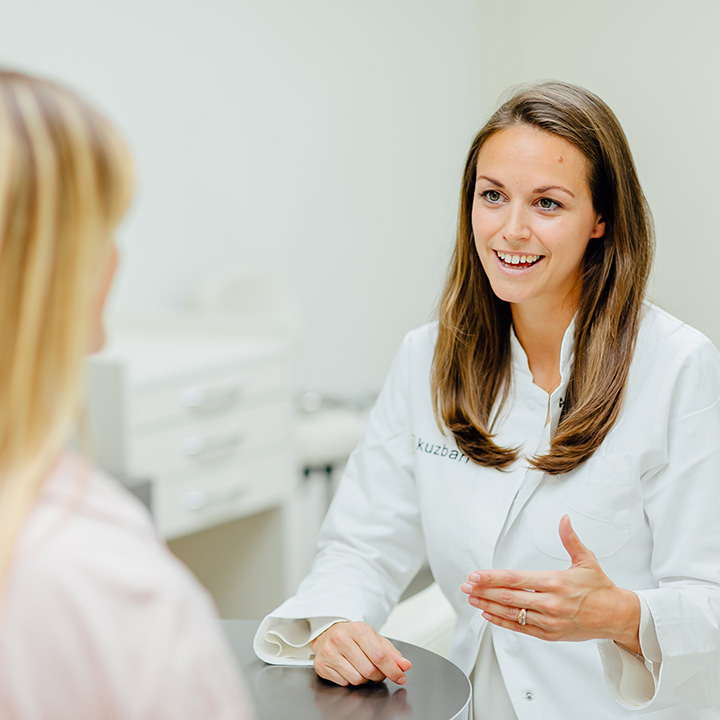
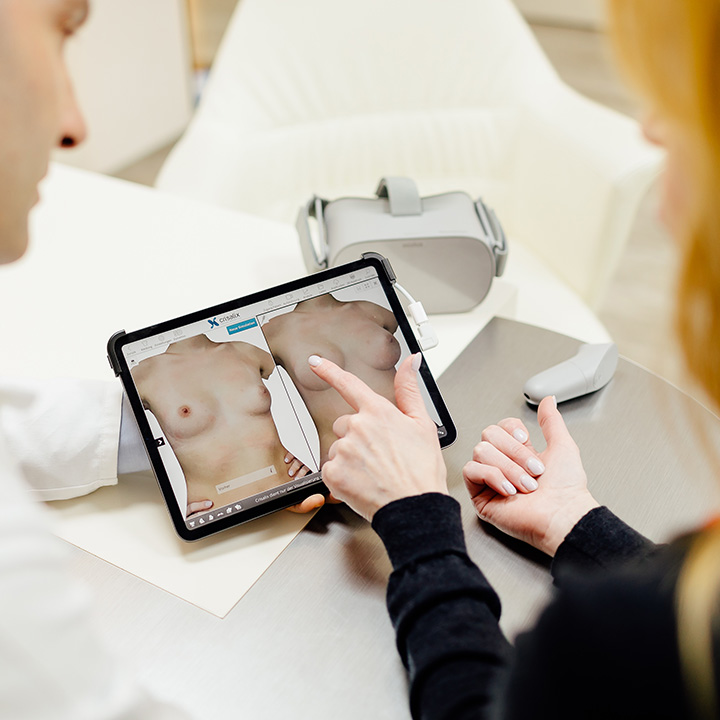
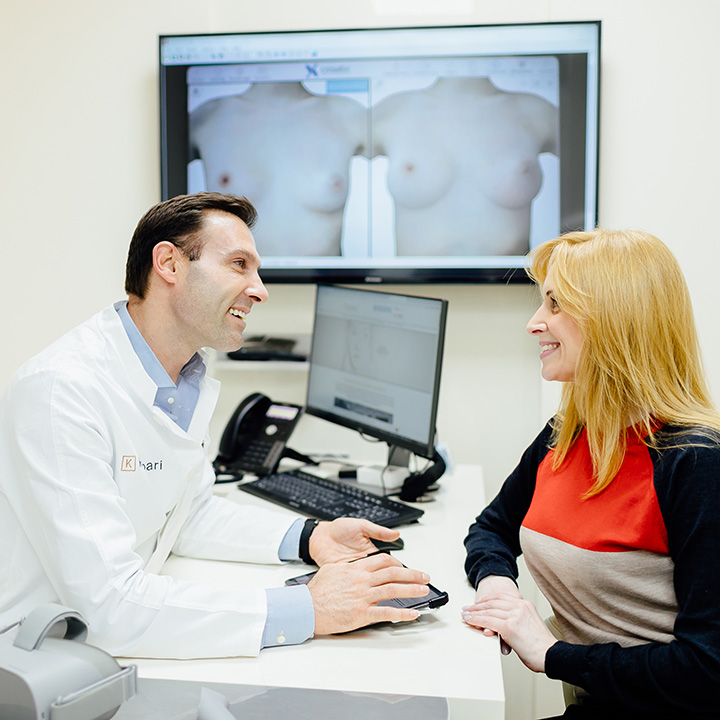
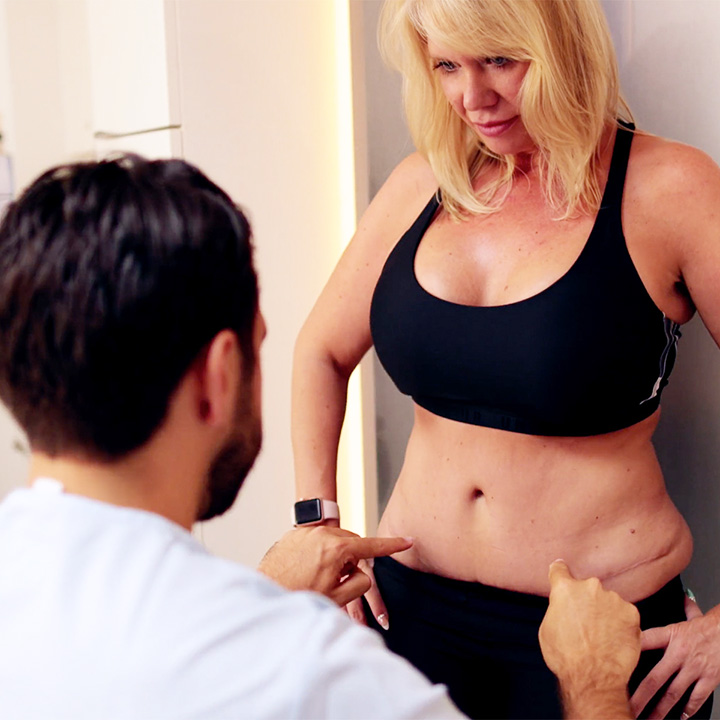
To begin with, professional photographs of your face are taken and we look at them together on a large screen. Features often emerge that are invisible in a mirror. We examine the eye region and compare it with photographs of you as a young adult.
We then discuss the treatment options, the course of the procedure, the risks and the downtime, look at before-and-after cases with a similar starting point and settle the cost including instalments. You get all the time you need. Nobody is pushed towards an operation.
- The Kuzbari Safety Check
We make sure you are prepared for the procedure and draw up your surgical plan, so that nothing is left to chance. You also receive the notes that let you organise the first days at home well.
- Marking up while seated
The procedure begins before the operation: with the marking up. It is done seated, because gravity then acts as it does in everyday life — which makes the result better. We use those ten to fifteen minutes to explain the sequence precisely once more, so that you know what happens when.
- The operation
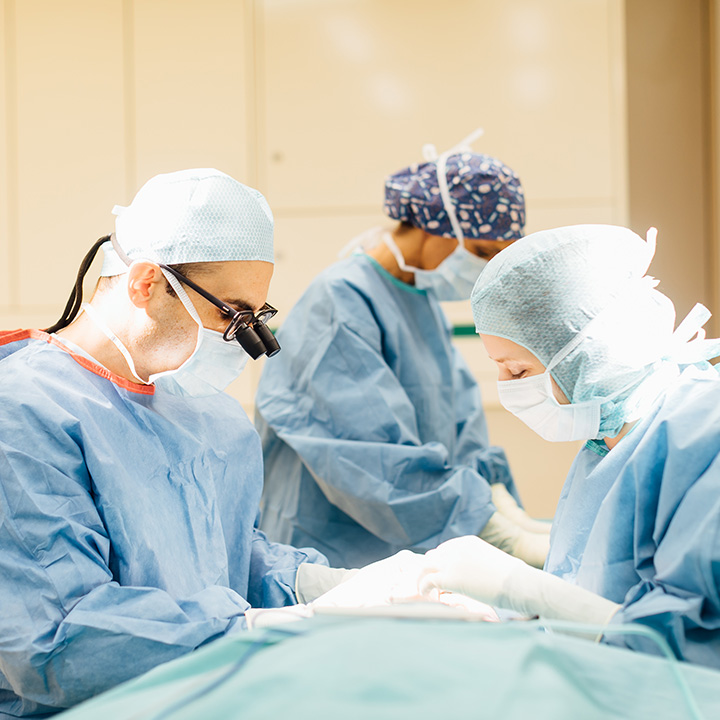
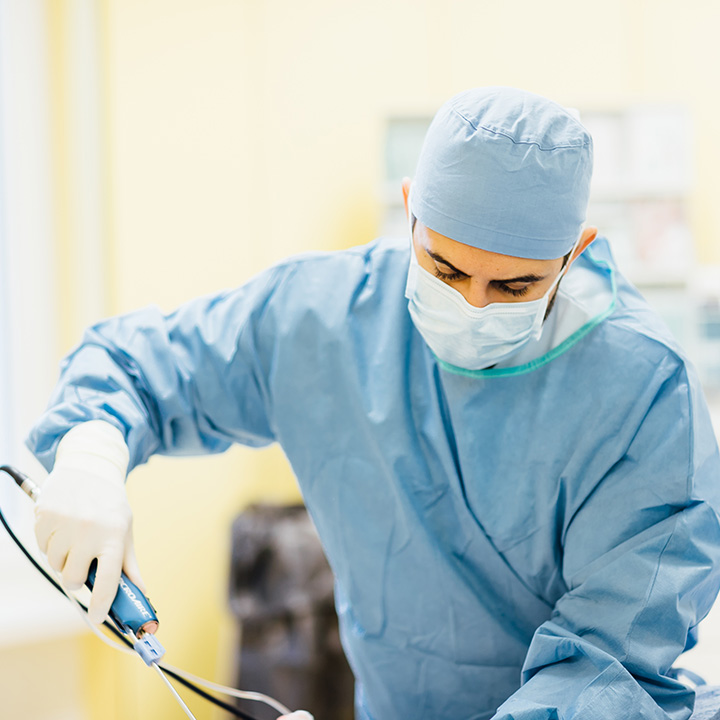
The operation is a day case in our own theatres, under local anaesthesia and, if you wish, with twilight sedation. Because the theatres are ours, the work is done without time pressure. Afterwards you recover in peace; most people go home two to three hours later.
- Swelling, cooling, suture removal
After the lift the eyes are swollen and discoloured. From the third day the swelling starts to go down; cool packs help. We remove the sutures after about a week. Feeling low in the first days after surgery on the face is normal — we are reachable during that time.
- Back to normal life
Medically most people are fit for desk work again after three days. You are ready to be seen after one to three weeks, and sport is possible after two to three weeks.
- The final result
The result is a fresher, younger appearance and it appears after two to three months. With the right technique the natural shape of the eye is preserved — people notice the brighter gaze but no change of type. Every follow-up appointment until then is included.
- Bring photographs of yourself from about the age of 18 — they show how your lid region once looked.
- Allow about an hour for the first consultation.
- Which medicines you stop beforehand is settled at the consent consultation; blood-thinning drugs are among them.
- Come on the day of surgery without make-up, without contact lenses and without jewellery.
- Arrange someone to accompany you home, particularly if you choose twilight sedation.
- Have cool packs ready and set aside one to three weeks in which you can take things easy.
The first two weeks, day by day
The most common question after the operation is not whether it hurts but when you will look like yourself again. So here is the course it takes for most patients — as a guide, not a promise.
| When | What you notice | What to do |
|---|---|---|
| Days 1 to 3 | The swelling increases and the lids are discoloured. A feeling of tightness is normal; severe pain is not. | Cool consistently, keep the head raised, avoid physical exertion. Painkillers as needed — most people need them only on the first day. |
| Days 4 to 7 | The swelling recedes, the discolouration moves downwards and turns yellowish. The eyes may be dry or watery. | Keep cooling if it feels good. Lubricating eye drops if we have recommended them. Medically, desk work is possible from day three. |
| About a week | At the appointment for suture removal we look at the wound and discuss what comes next. | Suture removal and advice on scar care. The appointment is included. |
| Week 2 | The discolouration can usually be covered up and the swelling has clearly receded. | Make-up only once the wound is closed — we say exactly when at suture removal. Avoid the sun or cover up. |
| Weeks 2 to 3 | Most people are ready to be seen again; slight residual swelling may remain. | Sport is possible after two to three weeks — which sport you start with we discuss at the check-up. |
| Months 2 to 3 | The fine shape has settled and the scar goes on fading. | The final result is there. Until then every follow-up appointment is included. |
When we advise against it
Honest advice also says when a procedure does not make sense. We raise these points explicitly at the first consultation — and if one of them applies, you hear it from us before any dates are discussed.
- If the eyes already tend strongly to dryness. A lift can worsen that in the first weeks; then the dryness is treated first.
- If there is an acute disease of the eye or lids. Clarify first, operate later.
- If the expectation does not match the findings — that is, if a result is expected that the anatomy cannot deliver.
- If an event is coming up a few days later. The downtime of one to three weeks cannot be shortened, and time pressure is a poor adviser.
- If the cause of your complaint is not at the lid at all but at the brow, in the pigmentation of the skin or in a muscle weakness. Then a different route is the right one.
We build on safety
Consultation, diagnostics, surgery and aftercare are all under one roof. As a hospital we are inspected several times a year, we have our own hygiene team and a quality management team working on our processes.
Results after correction of hooded lids
In the first two cases there were hooded lids that were noticeably more pronounced in the morning — an observation many people share.
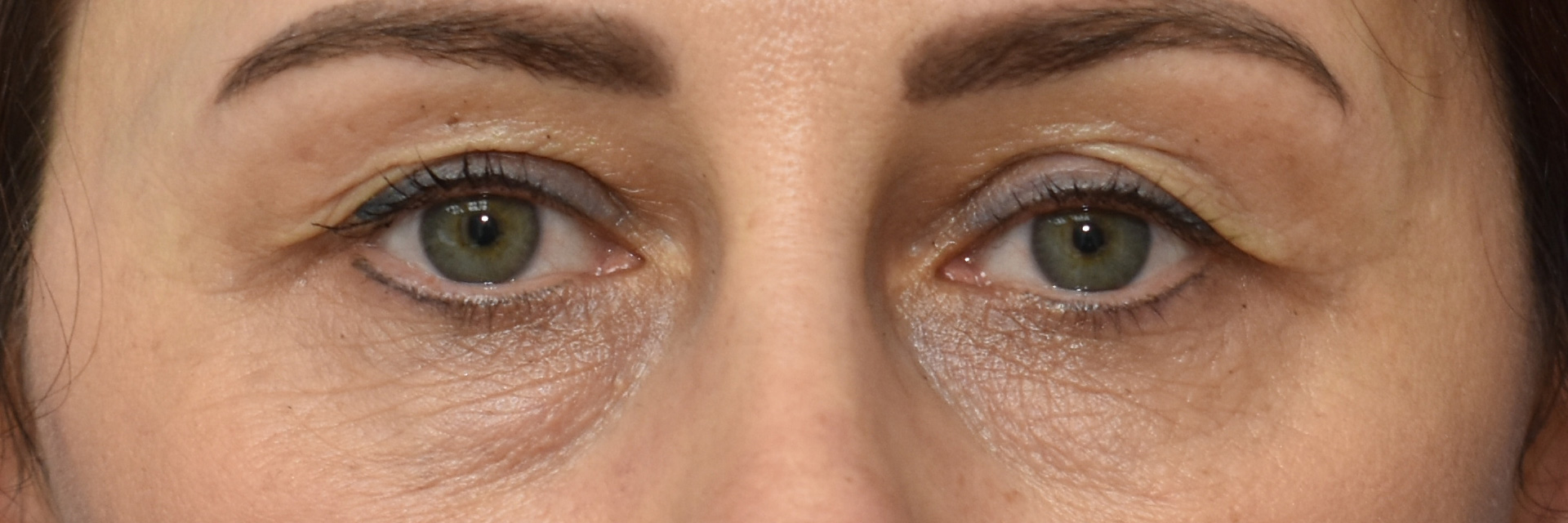
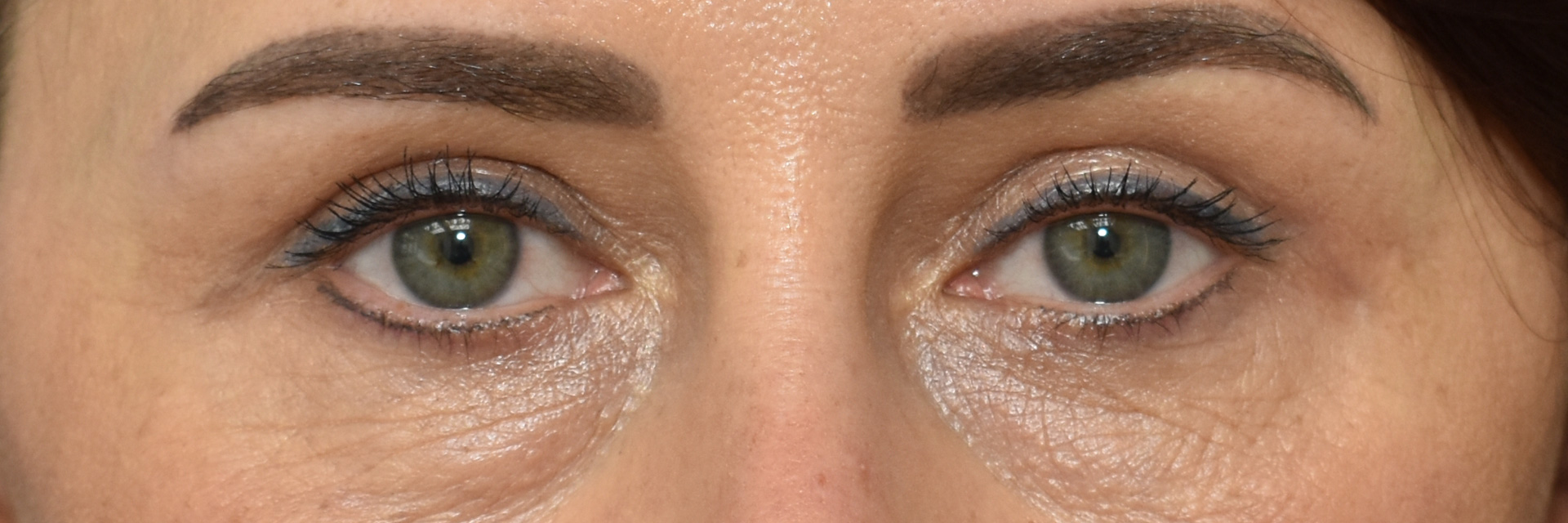
Drag the slider to compare before and after.
- Case
- 19957
- Age
- 22 years
- View
- Looking straight ahead
- Anaesthesia
- Local or twilight sedation
Photographs of patients who have consented to publication. Every lid heals differently; a result shown here cannot be transferred to anyone else.
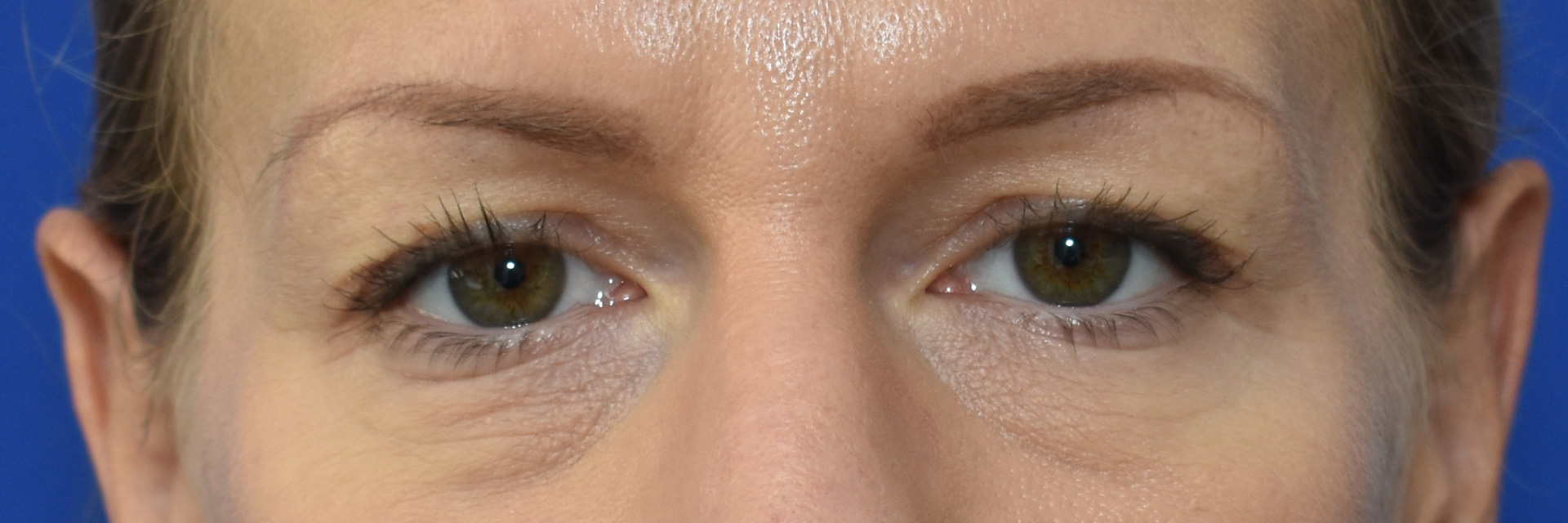
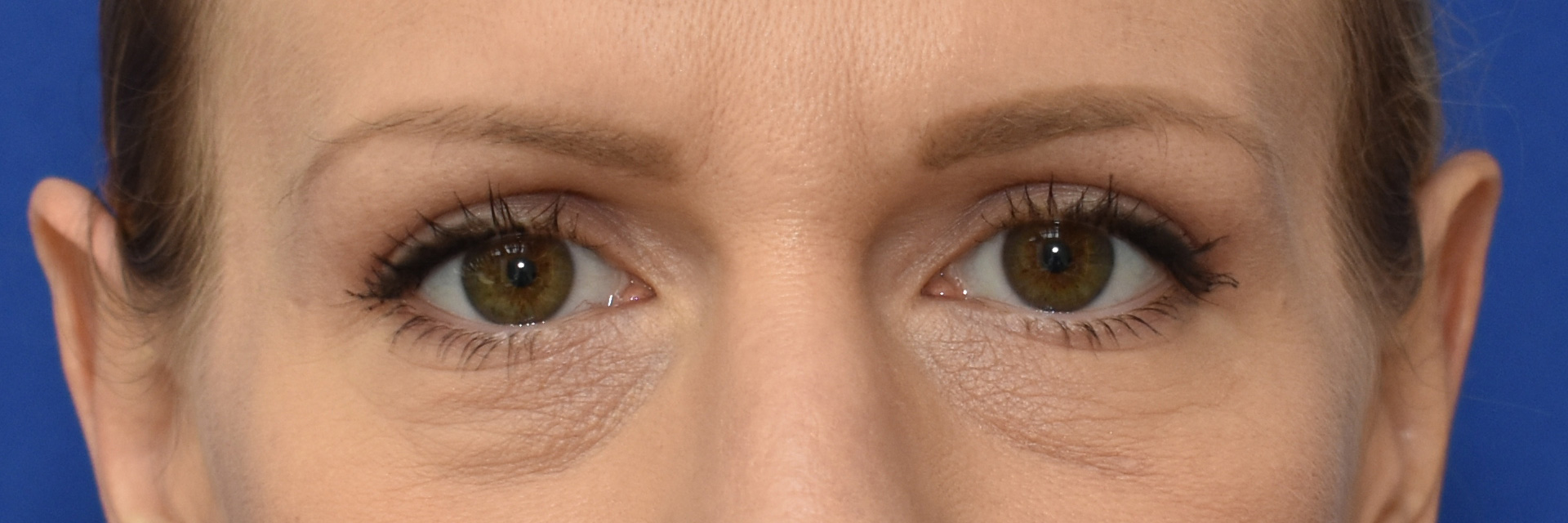
Drag the slider to compare before and after.
- Case
- 18797
- Age
- 38 years
- View
- Looking straight ahead
- Anaesthesia
- Local or twilight sedation
Photographs of patients who have consented to publication. Every lid heals differently; a result shown here cannot be transferred to anyone else.
More cases from the Kuzbari Centre
Every case comes from a patient of this centre. The findings and the procedure are given below each pair, so you can judge what was done and what was not.
- Case 19291
before 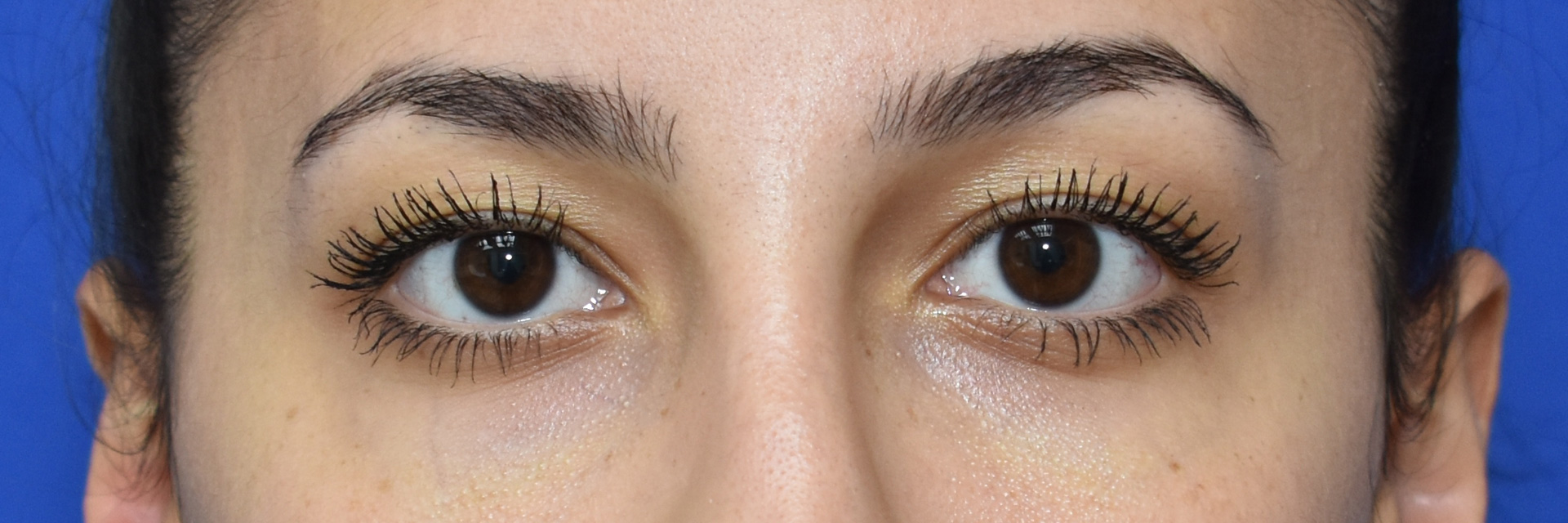
after 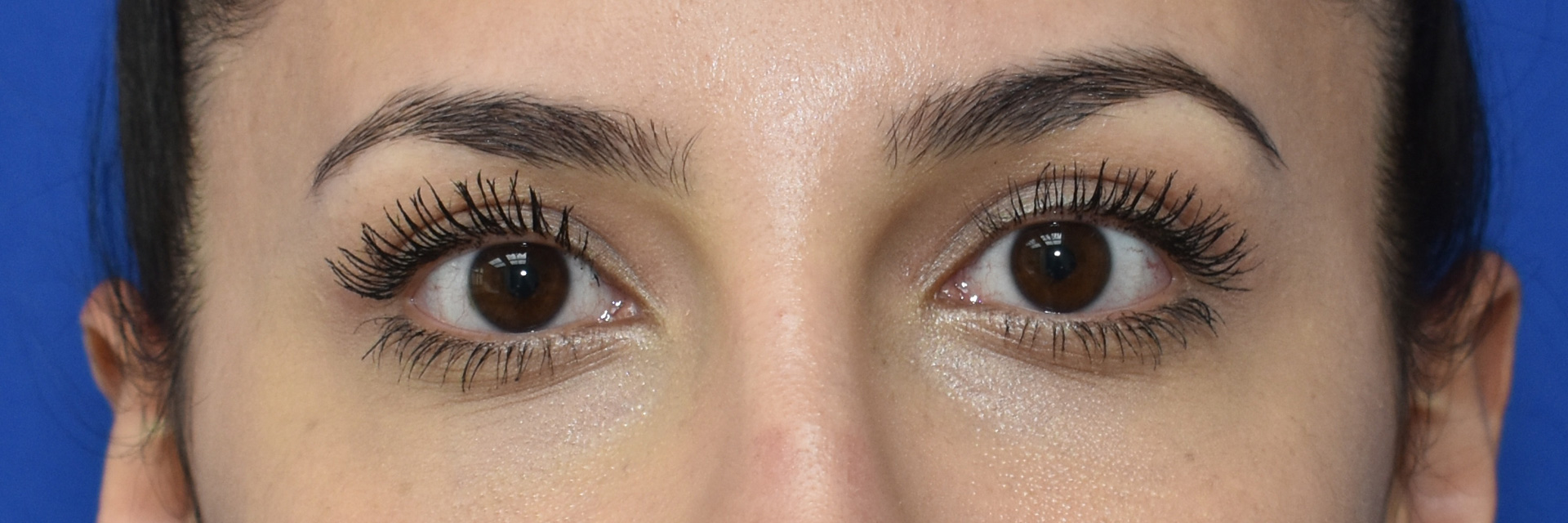
Findings: The shape of the upper lids had troubled her since the age of 15; eyeliner never stayed visible. Procedure: Upper eyelid blepharoplasty.
- Case 19539
before 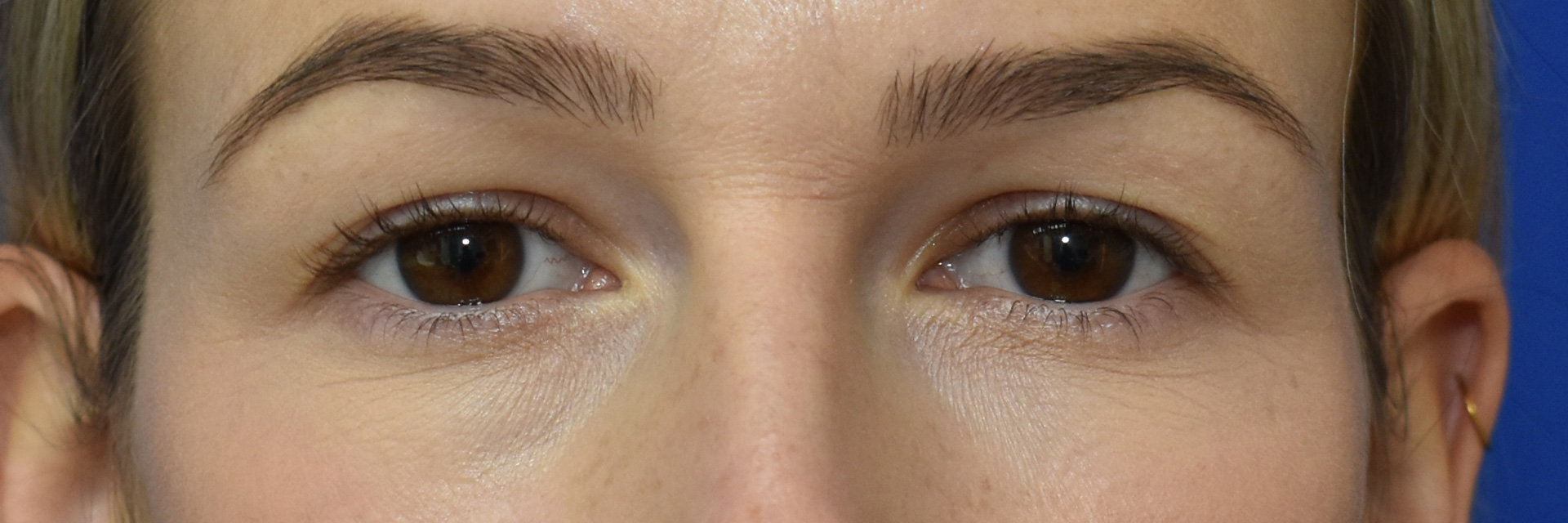
after 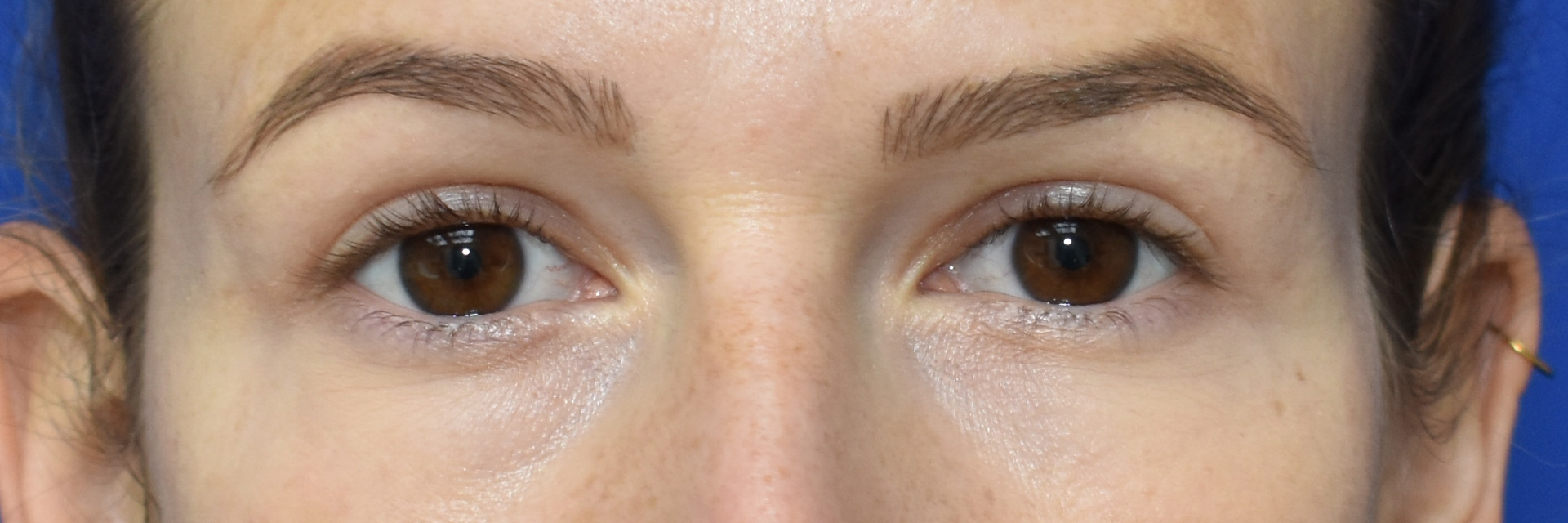
Findings: Pressure on the upper lids and tension across the forehead, because she constantly furrowed her brow at the screen. Procedure: Upper eyelid blepharoplasty.
- Case 20330
before 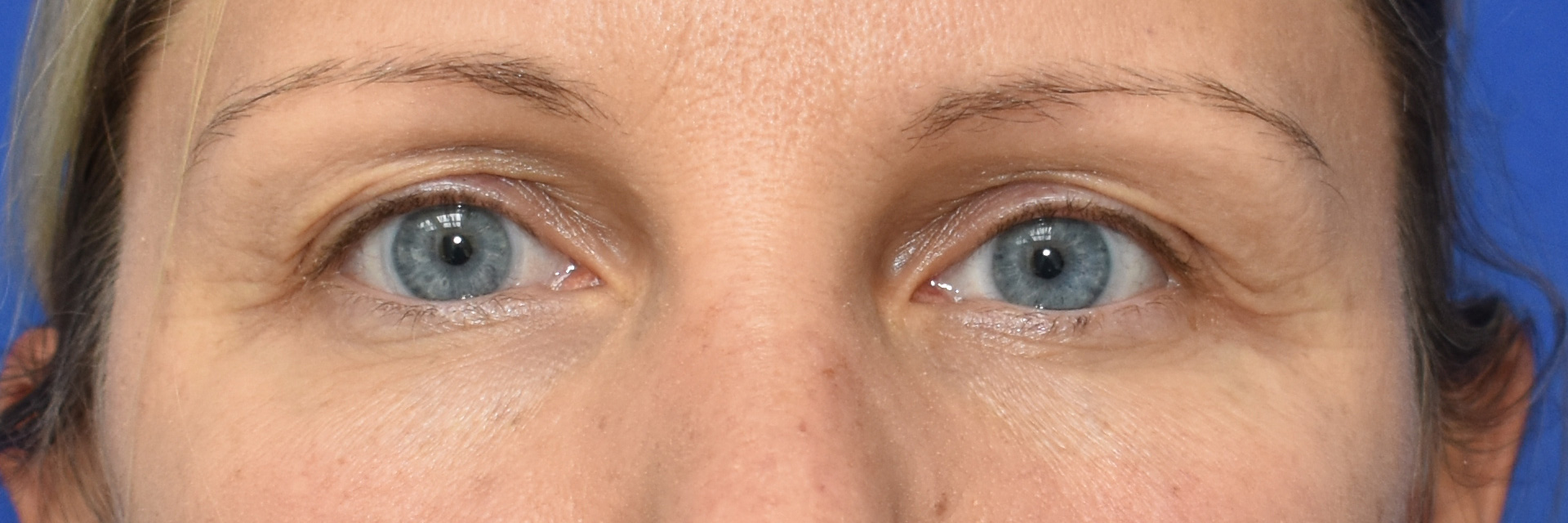
after 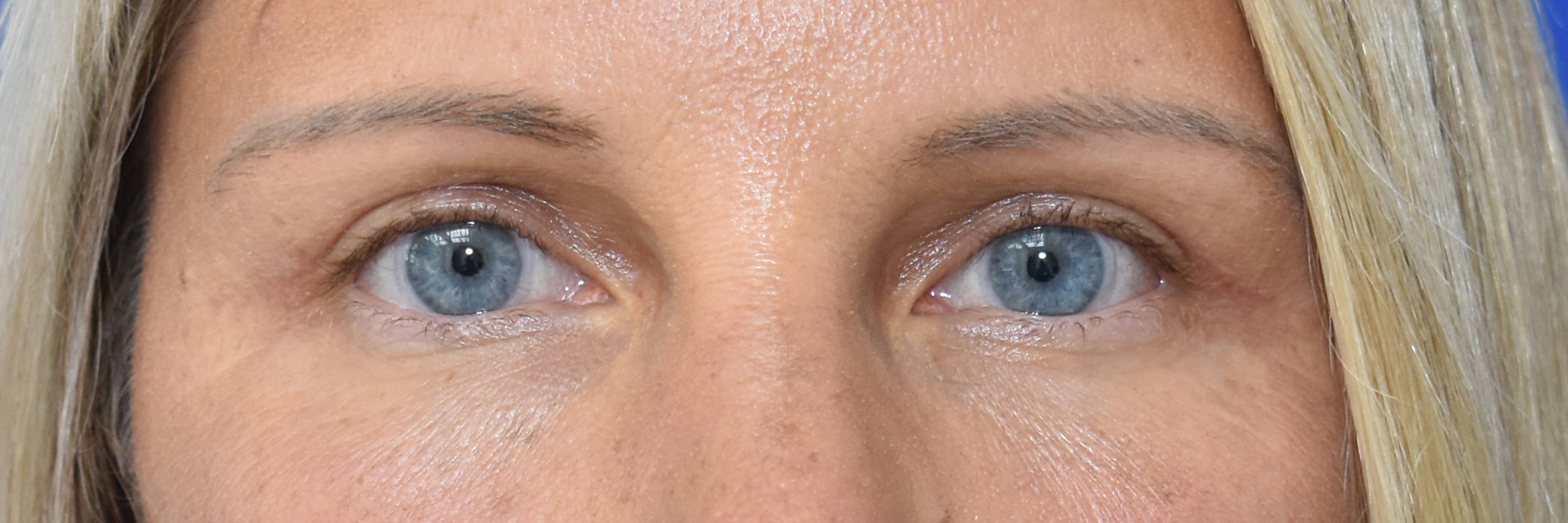
Findings: Increasing excess skin on both upper lids. Procedure: Upper eyelid blepharoplasty and internal brow pexy.
- Case 19502
before 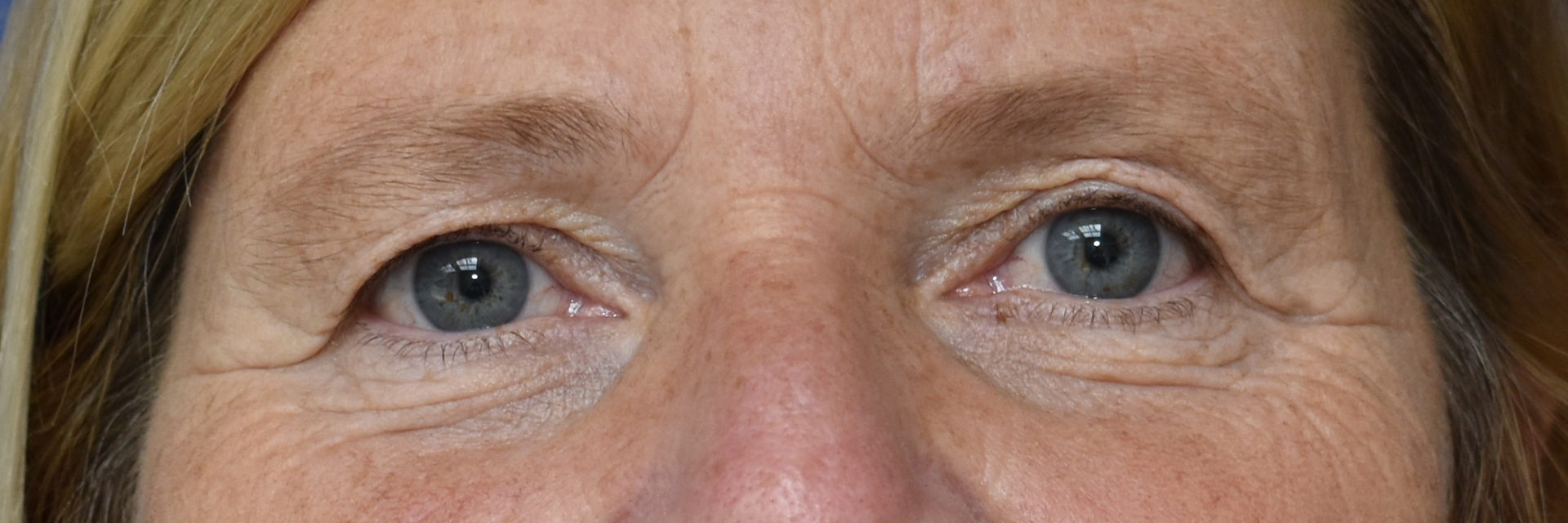
after 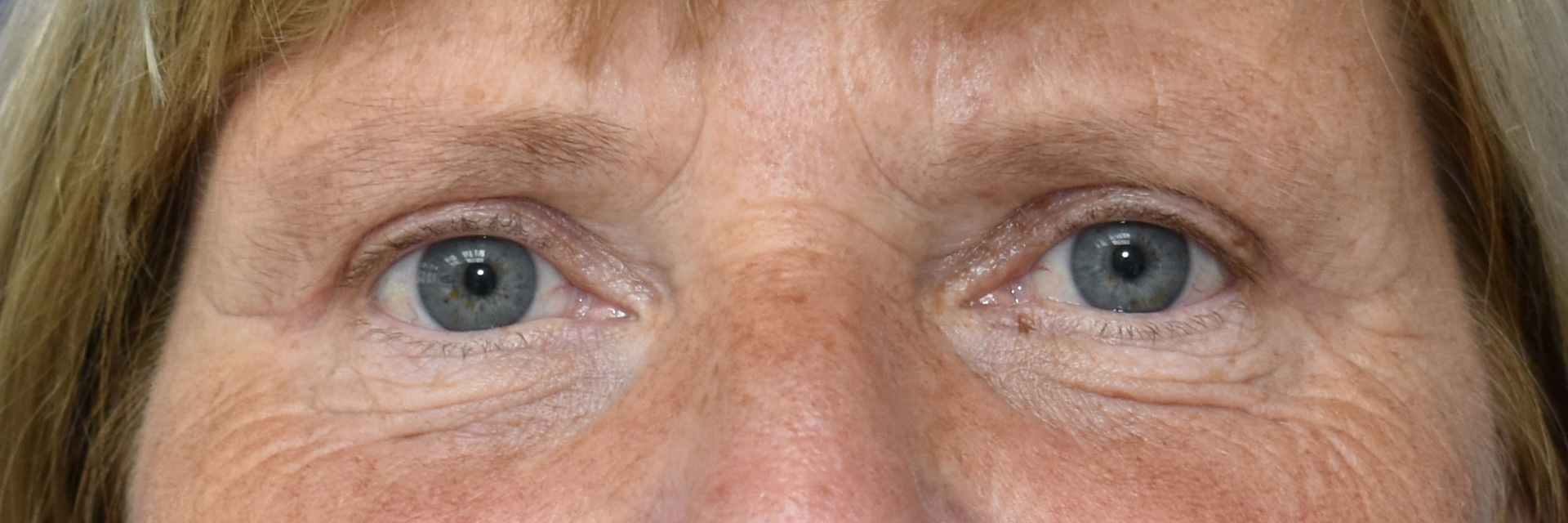
Findings: Increasing excess skin on both upper lids, more pronounced in the evening and when tired. Procedure: Upper eyelid blepharoplasty and internal brow pexy.
- Case 13359
before 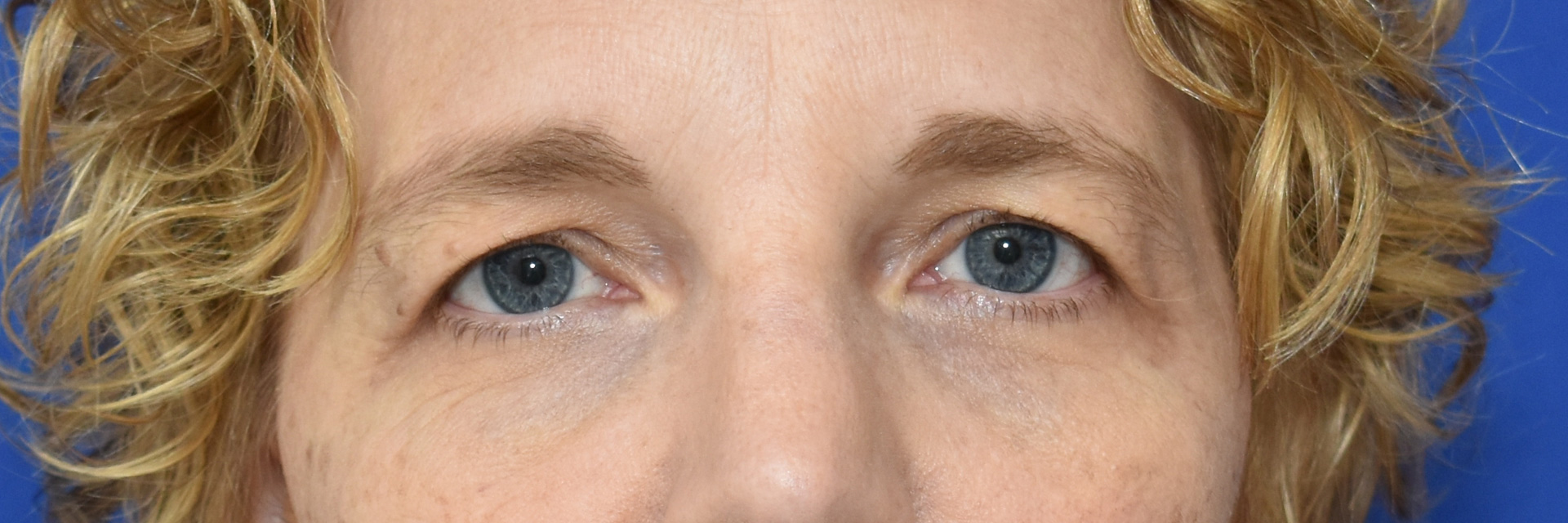
after 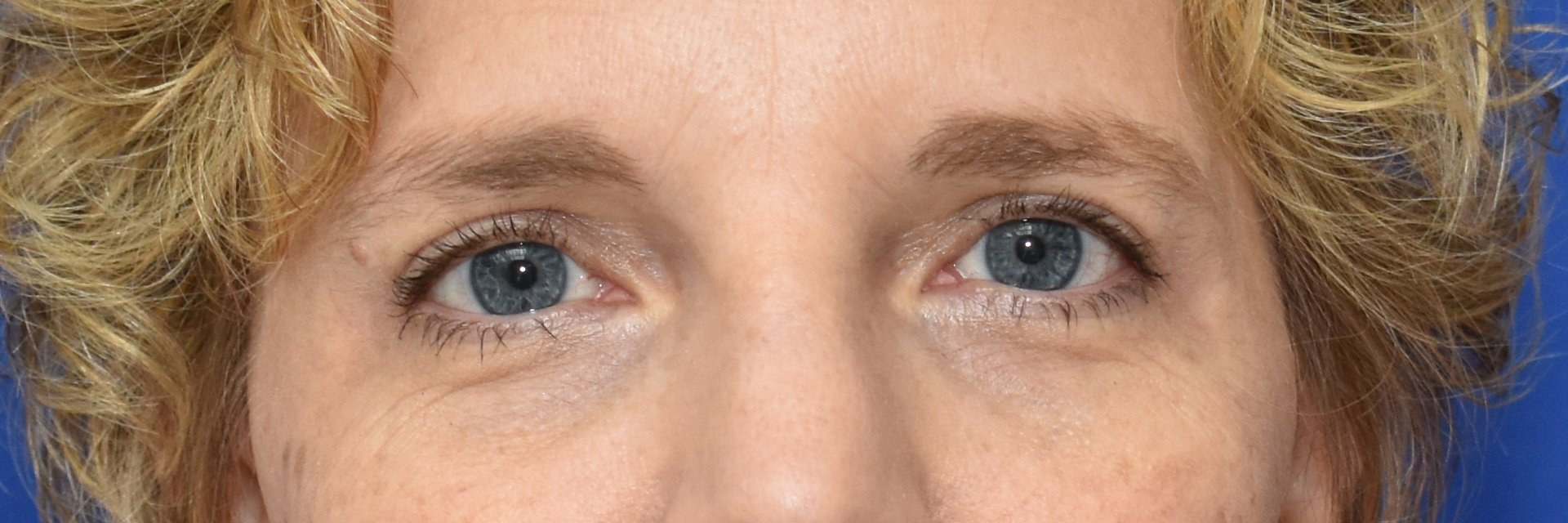
Findings: Increasing excess skin and a feeling of heaviness in the lids, which the patient had long taken to be normal. Procedure: Upper eyelid blepharoplasty and temporal brow lift.
- Case 20909
before 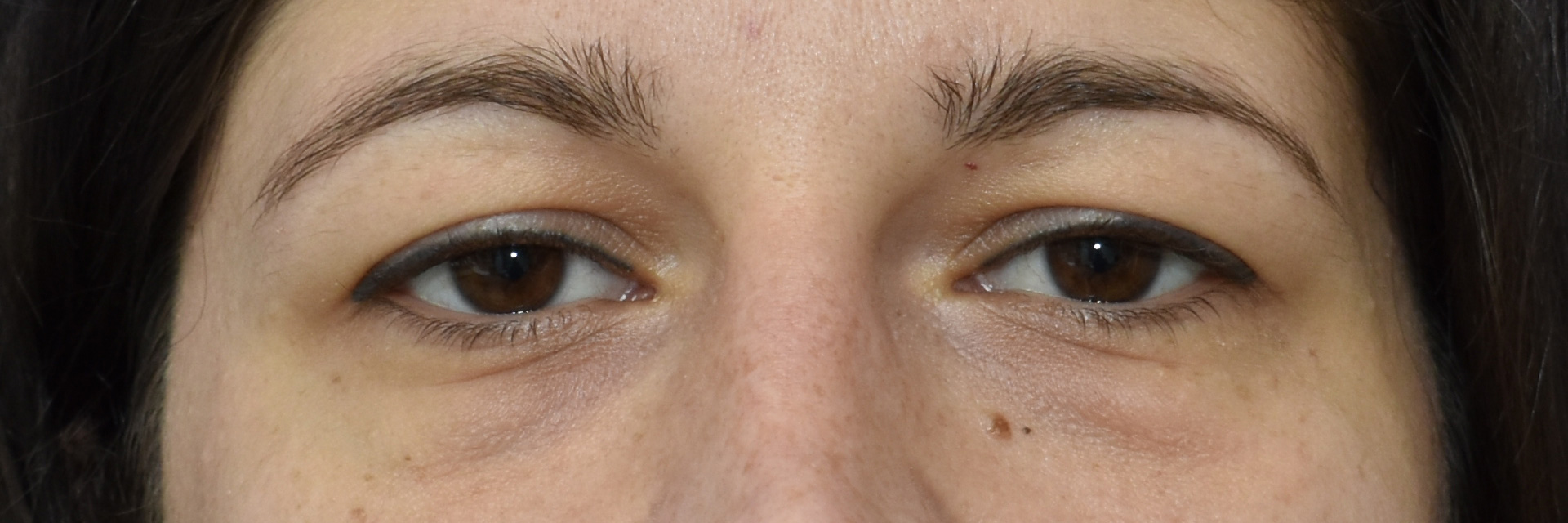
after 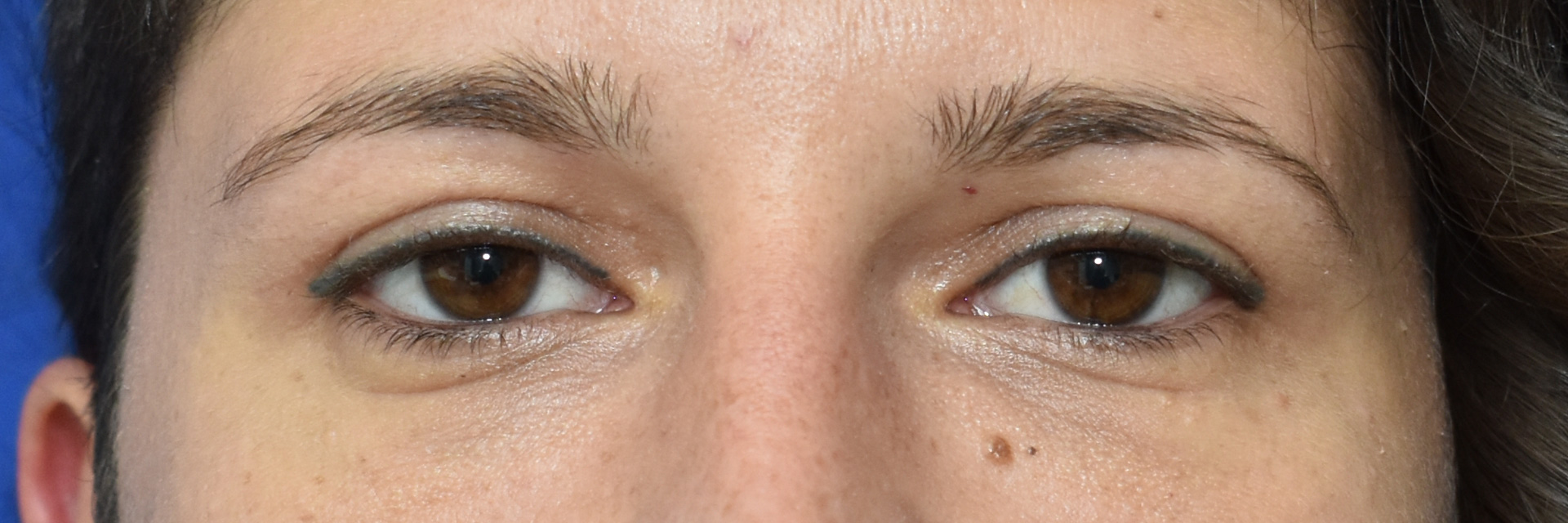
Findings: Mainly eye bags, with the developing hooded upper lids also bothering her. Procedure: Upper eyelid blepharoplasty.
Photographs of patients who have consented to publication. Every lid heals differently; a result shown here cannot be transferred to anyone else.
Who operates on eyelids at the Kuzbari Centre
Three specialists at the centre operate on eyelids. Whoever advises you also operates on you — and sees you again at every check-up. You choose who you feel most comfortable with.
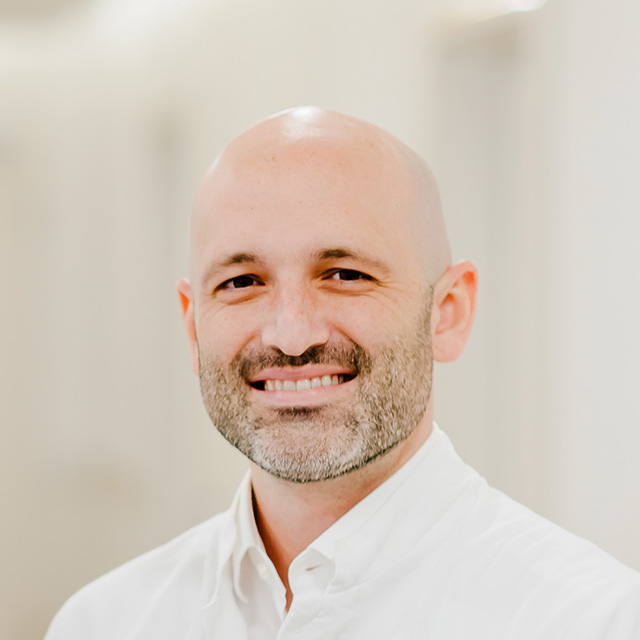
Focus on facial surgery, several times an award winner of the Austrian Society for Aesthetic Surgery. He operates on both upper and lower lids and measures his work by a result nobody recognises as surgery.
View profile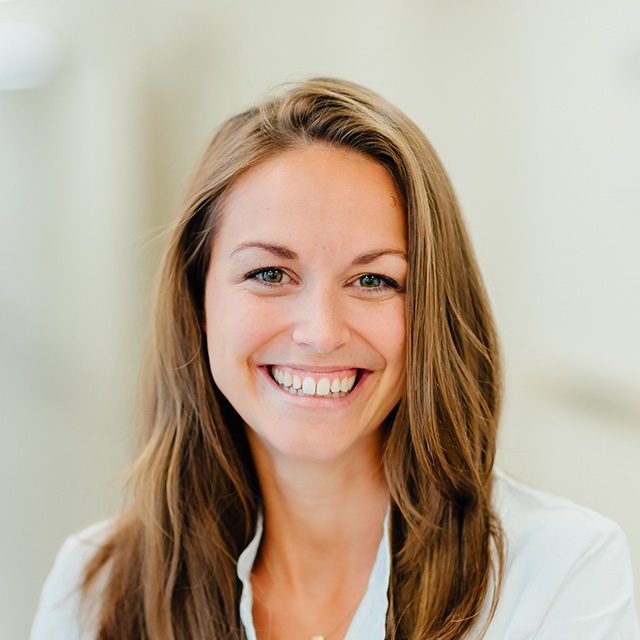
She works on the face only, combining surgical precision with a fine sense of what a single millimetre at the lid changes.
View profile
He combines international training with a treatment plan drawn up for each patient. Alongside eyelid surgery, facelifting and wrinkle treatment are his focus.
View profile- First consultation with photo analysisincluded
- Diagnostics and surgical planningincluded
- Operation in our own theatresincluded
- Local anaesthesiaincluded
- Suture removal and scar adviceincluded
- Every follow-up appointmentincluded
Through Kuzbari Finance over up to five years, 9.99% annual percentage rate. The binding terms are set out in your application.
Frequently asked questions about hooded lids
Do hooded lids go away by themselves?
No. A hooded lid is an excess of tissue, not a moisture problem of the skin. Creams and care can smooth the skin but cannot remove tissue. Once the fold has formed, it stays.
What does correction of hooded lids cost?
From €2,600, all inclusive: consultation, operation, local anaesthesia, suture removal and every follow-up appointment. A brow lift (€1,390) or brow fixation (€790) are additional modules if the brow is part of the cause.
How do I tell whether it is the skin or the brow?
A self-test helps: gently lift the excess skin with a finger. If the eye is then free, it is the skin. A comparison with a photograph from your twenties also shows whether the brow sits lower than it used to. Only the examination can classify it reliably.
Am I too young for a correction at 25?
Not necessarily. Some people had little visible upper lid skin even as teenagers; several of our cases are patients between twenty-two and twenty-eight. What matters is the findings, not the year of birth — and whether it actually affects your daily life.
Do hooded lids affect vision?
With markedly hooded lids the field of vision can be restricted, and keeping the eyes open takes effort. Many people therefore raise their forehead permanently, which can cause tension in the forehead and neck by the evening.
How long does the procedure take?
Between one and four and a half hours, depending on what the findings call for. There are no routine operations by the hour here: we take the time a good result needs.
How visible is the scar?
The incision lies in the natural lid crease. The fine scar is barely visible soon after the operation and usually becomes invisible over time. We advise on scar care at the check-ups; that is included in the price.
When can I work again?
Medically most people are fit for desk work again after three days. Anyone whose work puts them in front of people does better to allow one to three weeks.
Is there an alternative without surgery?
For patients who need the brows raised but do not want surgery, an Ultherapy soft lift is an option; you are usually presentable straight afterwards. It does not remove a genuine excess of skin at the upper lid.
Can I wear contact lenses again afterwards?
Yes, but not immediately. Exactly when we discuss at the check-up — it depends on how the lids are healing and whether the eyes are dry in the first weeks.
Read on
Eyelid lift at a glance · Upper eyelid lift · Lower eyelid lift · Removing eye bags · Eyelid ptosis · Cat eye and fox eye lift · How your eyelid lift works · Cost · Private or public · Experiences · Videos
Your eyelid check-up
About an hour of time, professional photographs, an examination of your lid region, a look at photographs of you as a young adult and a written quotation — without obligation and without pressure.
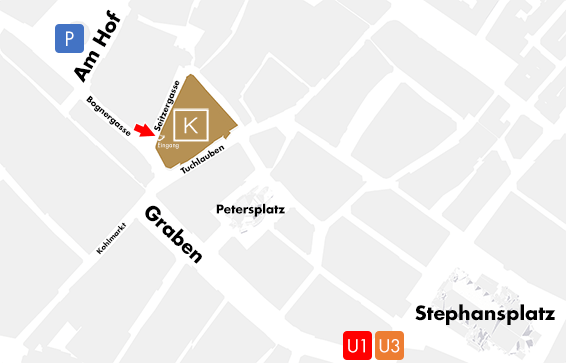
Monday to Friday, 08:00 to 18:00 · Seitzergasse 2-4, 1010 Vienna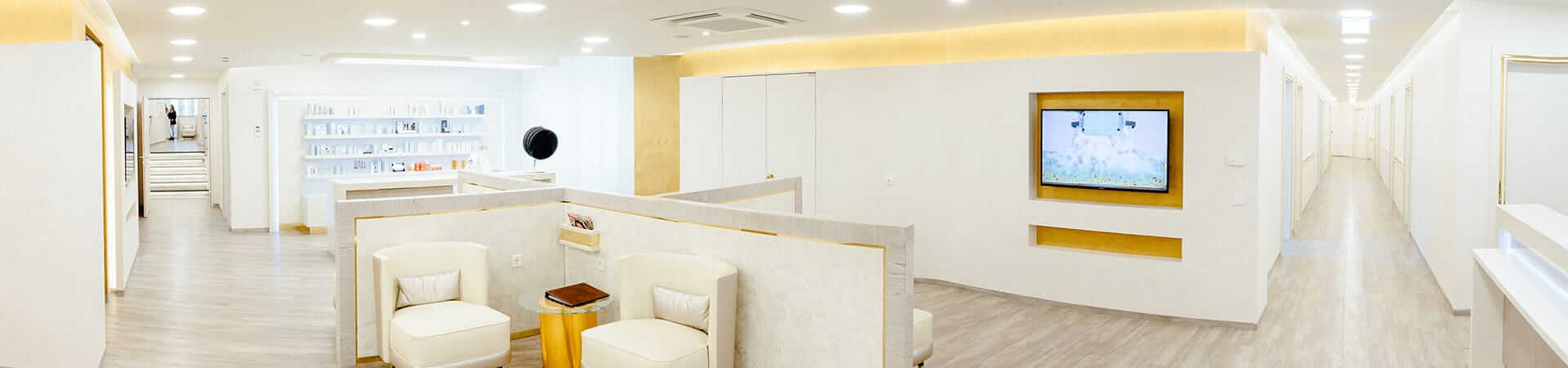


 01 358 28 01
 Book now