












Cat eye lift and fox eye lift: the almond-shaped gaze
Cat eye and fox eye are not operations in their own right but an aim: an almond-shaped eye with a slightly raised outer corner. It is achieved through a combination of steps at the lid, the canthus and the brow — and through planning that suits the face.
- An almond-shaped eye
- Incisions in natural creases
- Day case, our own theatres
- From €2,600
An aim, not a procedure
“Cat eye” and “fox eye” describe a shape of eye: almond-shaped, with an outer corner sitting a little higher than the inner one. That shape reads as awake and is often felt to be youthful, because over the years the outer corner tends to descend rather than rise.
The route there differs with every face. In some it is the lid skin that weighs the gaze down. In others the outer corner sits too low, and in others again it is the descended brow that sets the shape. So what comes first is not a method but the analysis: which part creates the impression you want to change?
The incisions lie in the natural creases of the lid region and at the hairline, so that visible scars are largely avoided. Like any eyelid correction, the procedure can be done as a day case.

Why shape matters more than quantity
A classic upper eyelid lift is about how much skin has to go. The almond-shaped gaze is about the direction in which the work is done. The direction of pull decides whether the eye afterwards reads as more open or merely tightened.
The steps that make up the result
Depending on the findings, one or more of these steps is used. Which they are is settled after the examination — in writing, before you decide.
| Starting findings | What is noticeable | What we do |
|---|---|---|
| Excess skin on the upper lid | The lid skin folds over the lashes; eyeliner disappears. | An upper eyelid lift with the incision in the lid crease, the extent set by the findings. |
| A low outer canthus | The eye shape falls away towards the outside, often described as a “sad” look. | Repositioning of the canthus, if needed with release of the lower lid retractors. |
| A descended outer brow | The upper lid reads as heavy although there is hardly any excess skin. | A temporal brow lift, with brow fixation if needed. |
| Missing volume around the socket | The eye region reads as hollow; a lift alone would emphasise that. | Fat grafting as an additional module, so that the transition stays soft. |
What the procedure does not do
A raised canthus changes the shape of the eyes, not their size and not the position of the eyeball. Nor does it replace treatment of the lower lid when eye bags dominate the picture — then a lower eyelid lift is the right route. And it is no substitute for ptosis surgery when the lid itself droops; that is a task of its own, described on the page about ptosis.
Equally: a treatment with threads or fillers can influence the shape for a limited time, but it changes no structures. Anyone wanting a lasting change cannot avoid surgery.
Why some results look unnatural
The most common causes of an unnatural result at the eye are skin tightened too far, a wrong direction of pull when raising the outer canthus, badly placed scars and failure to correct the age-related loss of volume around the eyes.
These technical and analytical failings leave the typical marks of a poor eye lift: an unnatural expression, distorted brows, visible scars and a rejuvenation out of balance. All of that is avoidable with good planning and careful surgical technique. After a good lift you do not look operated on but younger, fresher and more awake.
What is the ideal brow shape?
What makes a beautiful brow, and whether the shape can be kept without surgery — DDr. Jessica Wittmann on video.
A brow lift without a scar – (im)possible?
Where the incisions run in a brow lift and how visible scars are avoided.
- ProcedureDay case in our own theatres
- AnaesthesiaLocal or twilight sedation
- Duration1 to 4.5 hours
- Back among peopleAfter 1 to 3 weeks
- Final resultAfter 2 to 3 months
- CostFrom €2,600
- Consultation and analysis
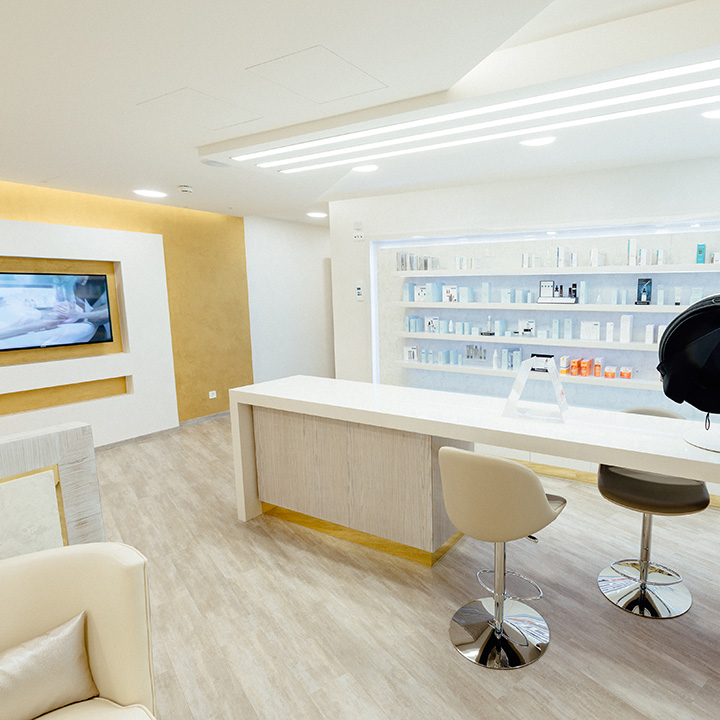
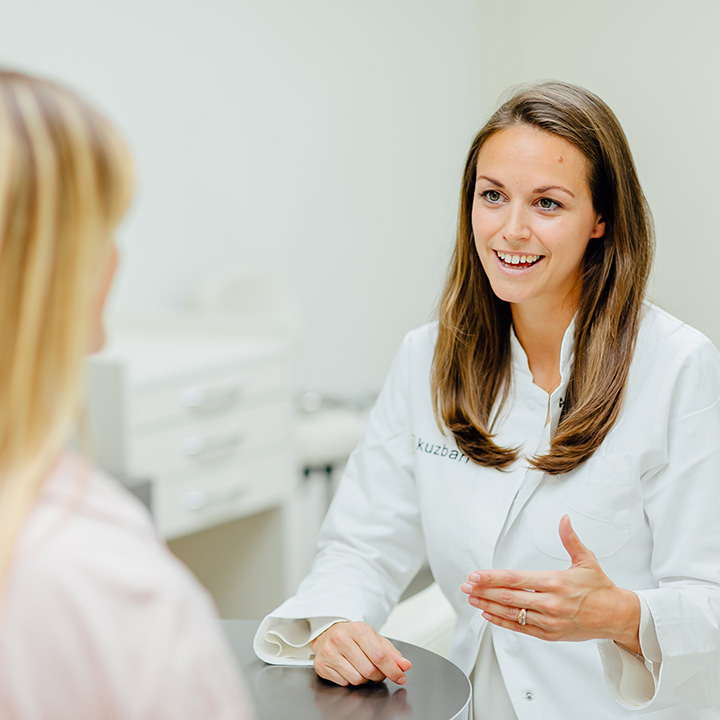
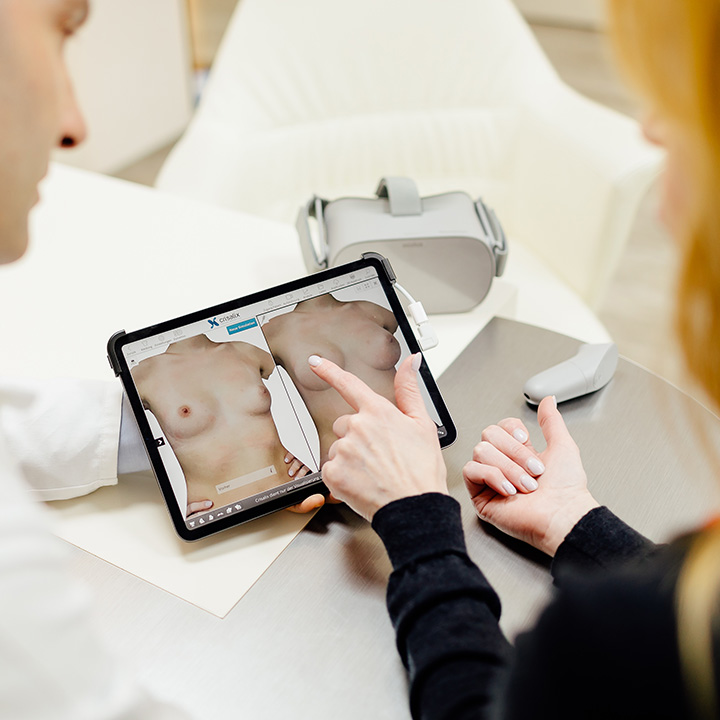
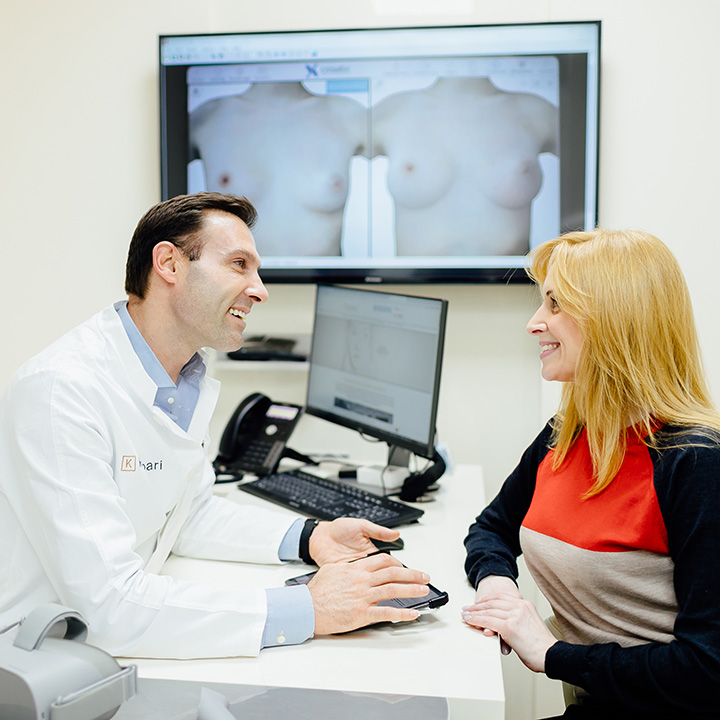
Professional photographs, a joint look at them on a large screen and the examination of the lid region. We measure the height of the canthi, check the tension of the lids and look at photographs of you as a young adult. After that you know which steps lead to which result in your case — and which do not.
- Safety check
The Kuzbari Safety Check clarifies previous illnesses and medication. You receive your surgical plan and the notes for the days afterwards.
- The procedure
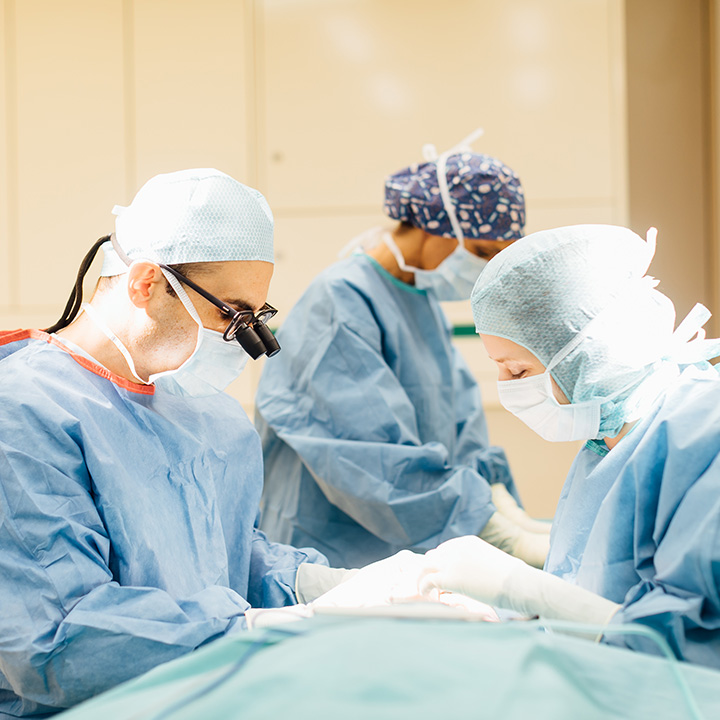
As a day case in our own theatres, under local anaesthesia and, if you wish, with twilight sedation. The planned steps are carried out through fine incisions in the natural lid crease and at the hairline.
- Swelling and suture removal
Swelling and bruising are normal; they increase over the first days and then recede. We remove the sutures after about a week.
- Back among people
After two to three weeks the downtime is usually over. Anyone who can take the first two weeks off does themselves a favour.
- The final result
The final shape appears after two to three months. Until then we see you again at the check-ups; they are included.
- First consultation with photo analysisincluded
- Diagnostics and surgical planningincluded
- Operation in our own theatresincluded
- Local anaesthesiaincluded
- Suture removal and scar adviceincluded
- Every follow-up appointmentincluded
A case from the Kuzbari Centre
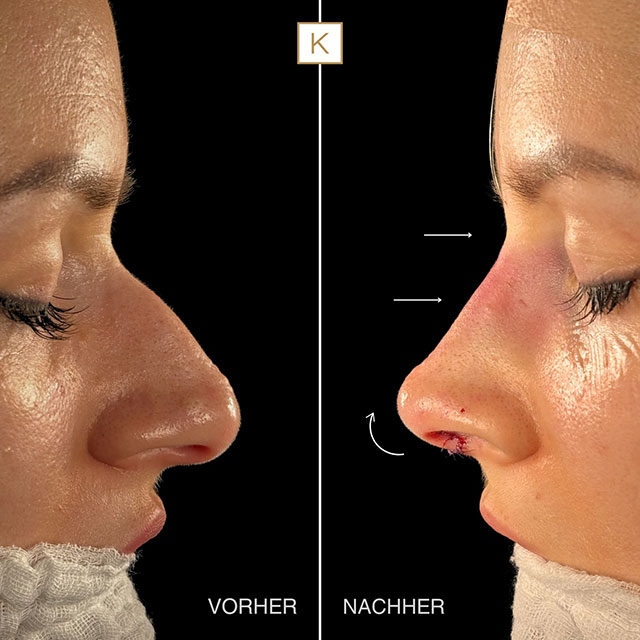
This patient found the shape of her lids sad and wanted the almond-shaped eye. What was carried out was a canthal repositioning with release of the lower lid retractors, an upper eyelid blepharoplasty and a temporal brow lift — exactly the combination that creates the almond-shaped gaze.
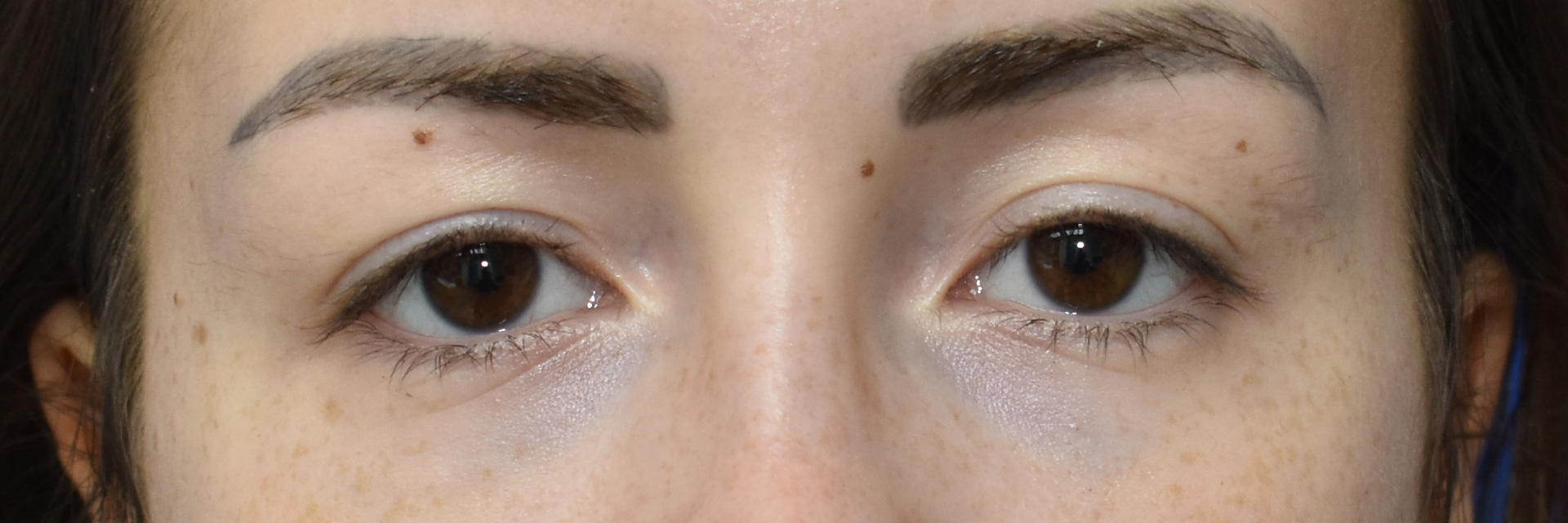
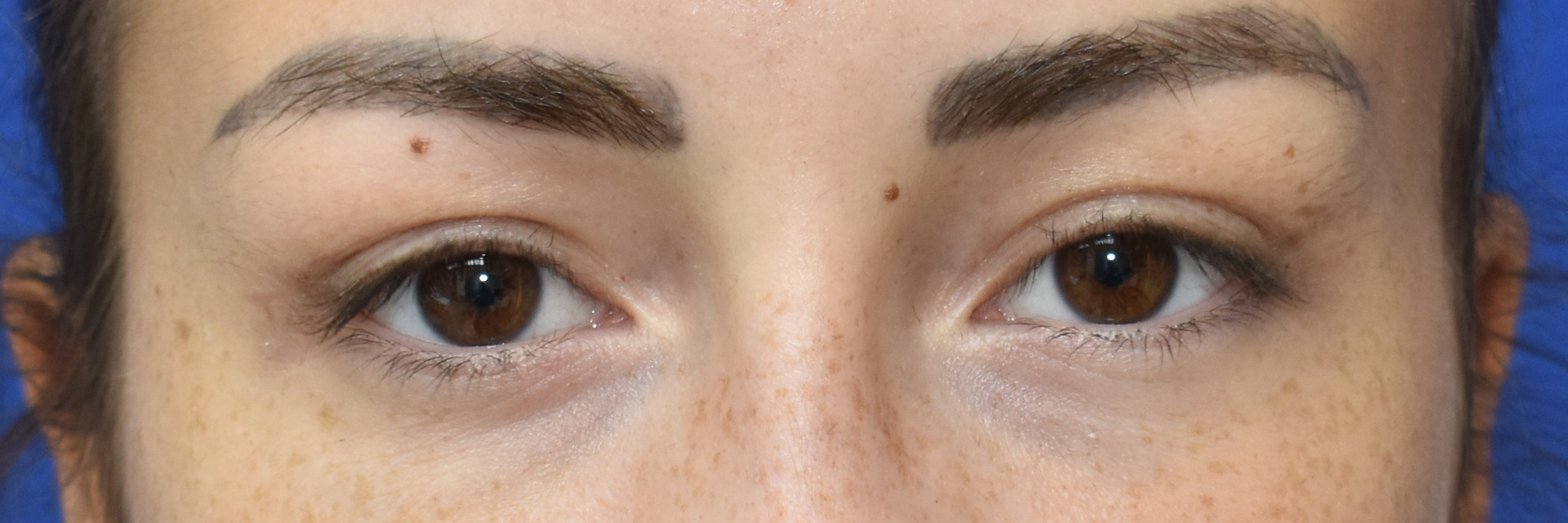
Drag the slider to compare before and after.
- Case
- 21379
- Age
- 22 years
- View
- Looking straight ahead
- Anaesthesia
- Local or twilight sedation
Photographs of patients who have consented to publication. Every lid heals differently; a result shown here cannot be transferred to anyone else.
More results in the upper lid region
Every case comes from a patient of this centre. The findings and the procedure are given below each pair, so you can judge what was done and what was not.
- Case 21379
before 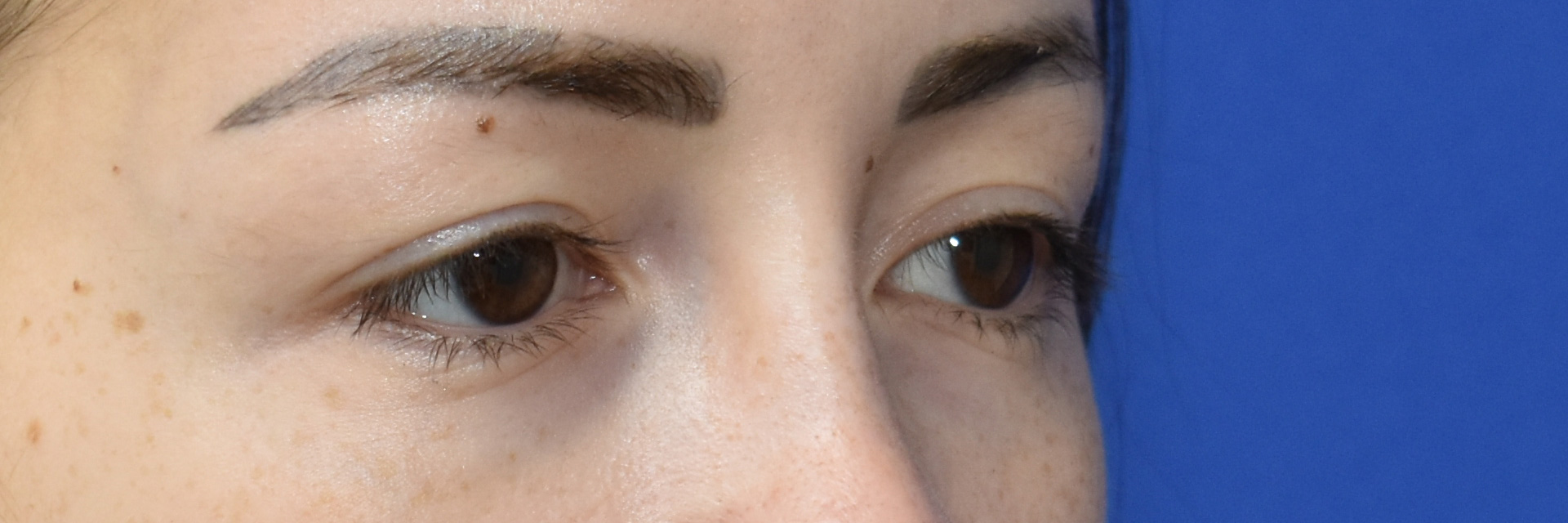
after 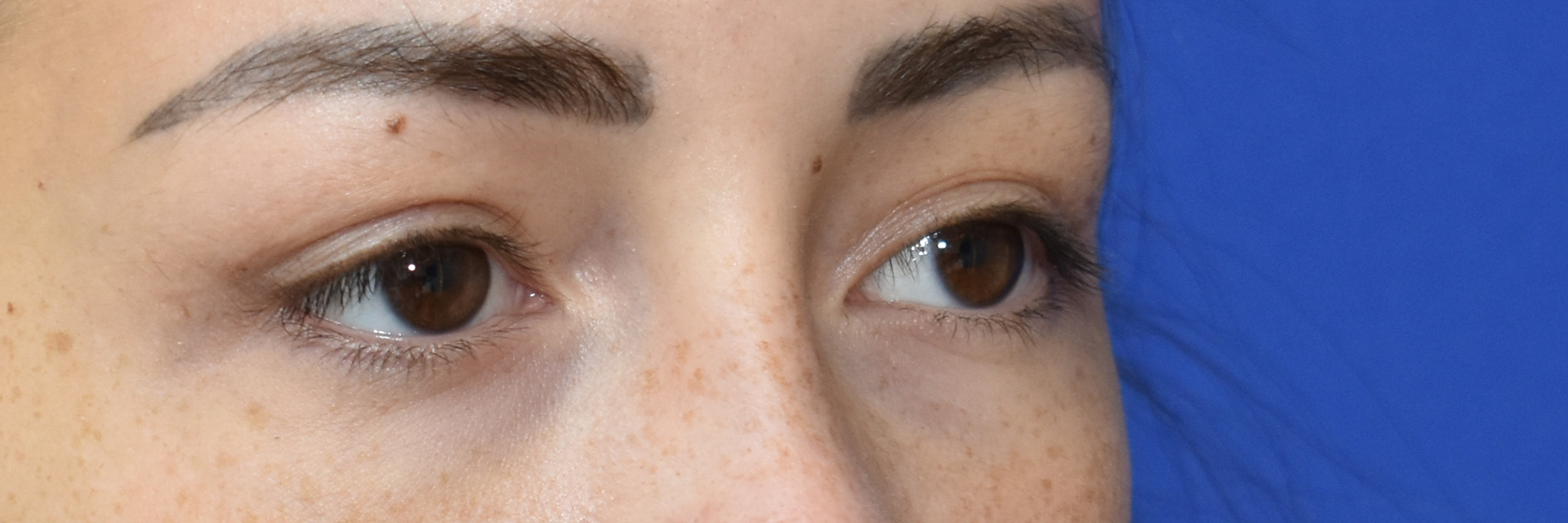
Findings: The shape of her lids looked sad to her; she wanted the almond-shaped cat-eye look. Procedure: Canthal repositioning with release of the lower lid retractors, upper eyelid blepharoplasty and temporal brow lift.
- Case 19291
before 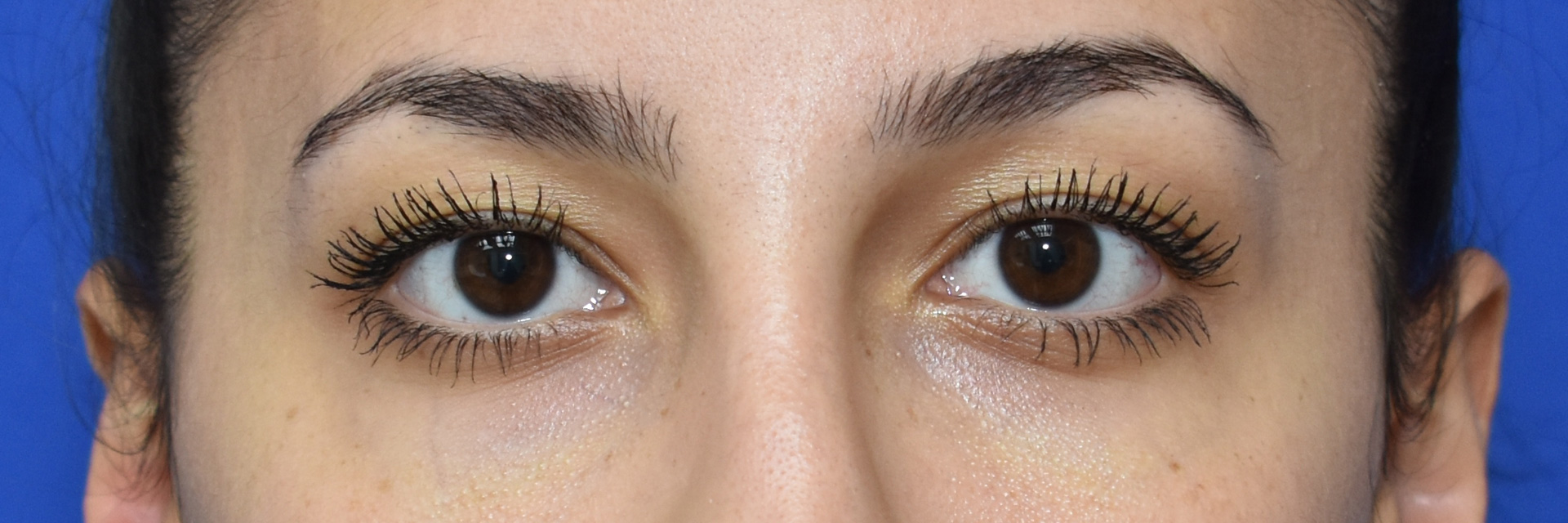
after 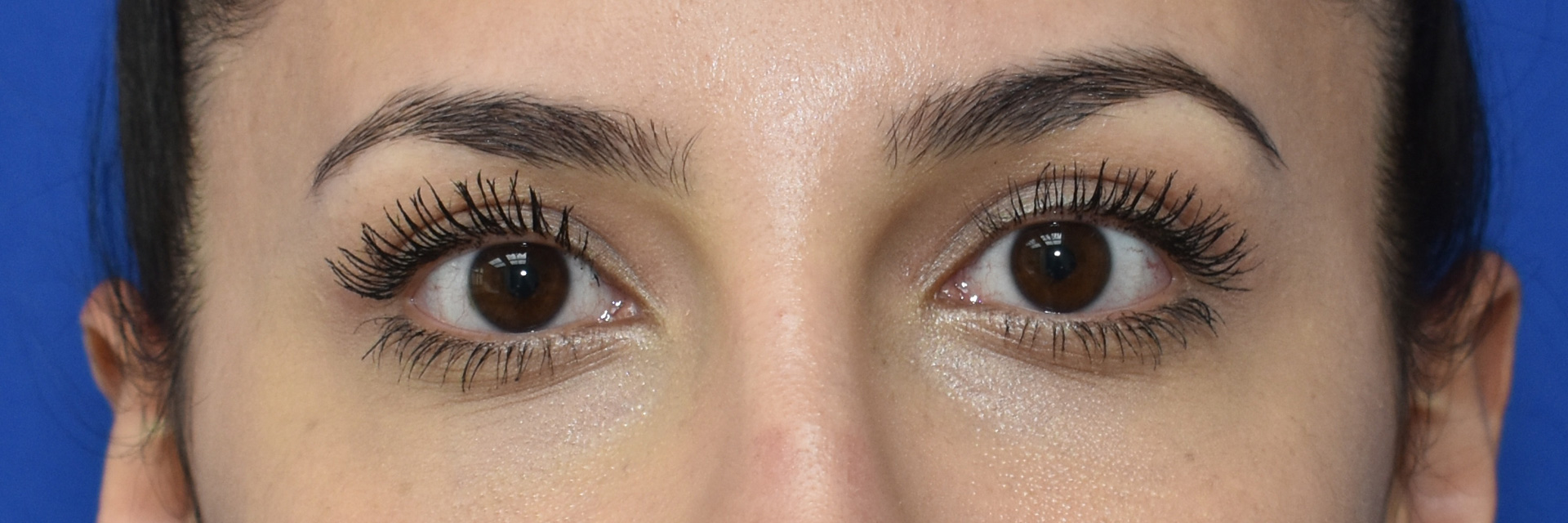
Findings: The shape of the upper lids had troubled her since the age of 15; eyeliner never stayed visible. Procedure: Upper eyelid blepharoplasty.
- Case 18170
before 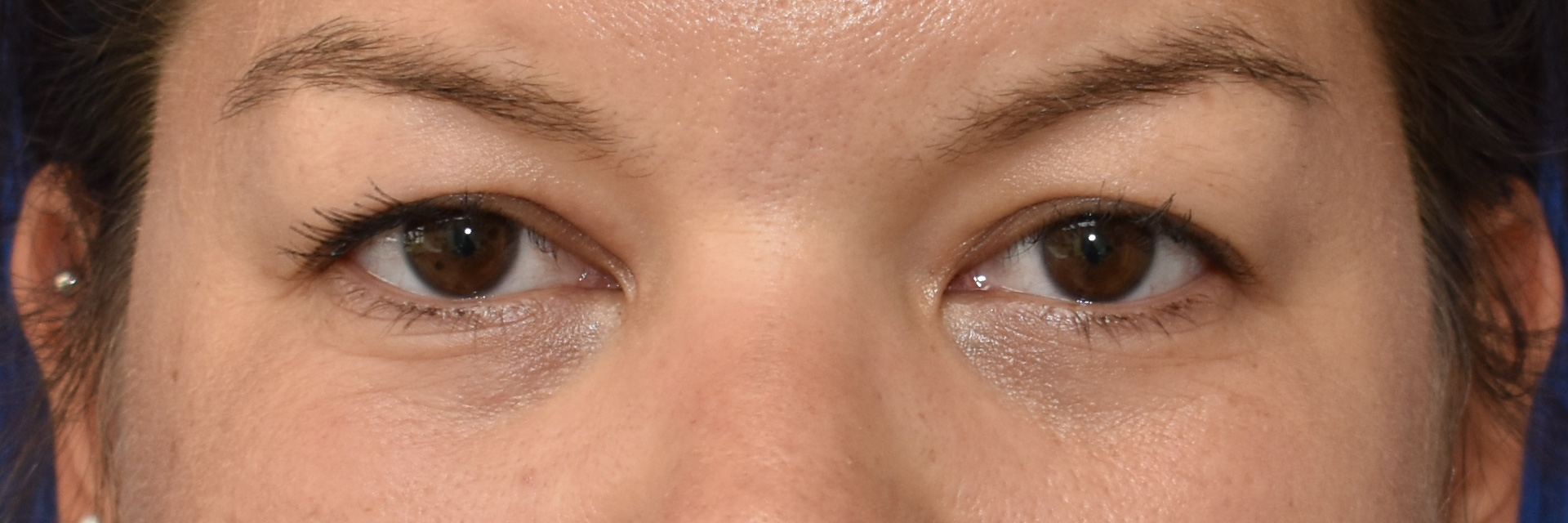
after 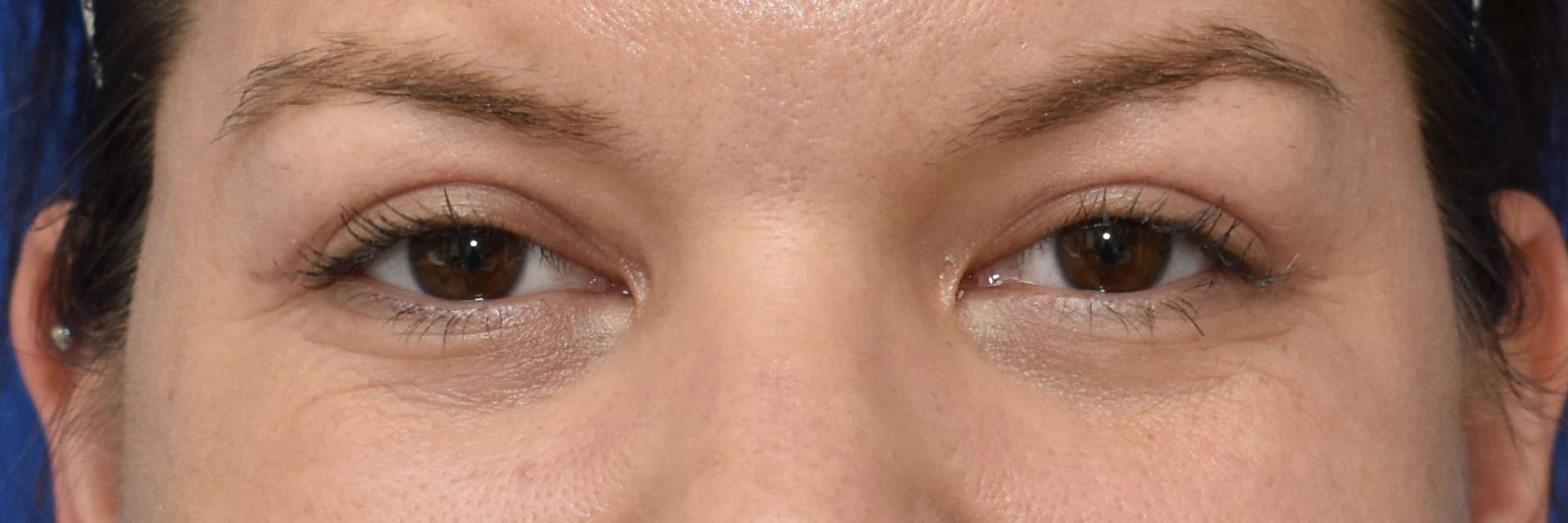
Findings: Excess skin and fullness in the lids plus a feeling of pressure; the patient found her own gaze tired. Procedure: Upper eyelid blepharoplasty.
- Case 19539
before 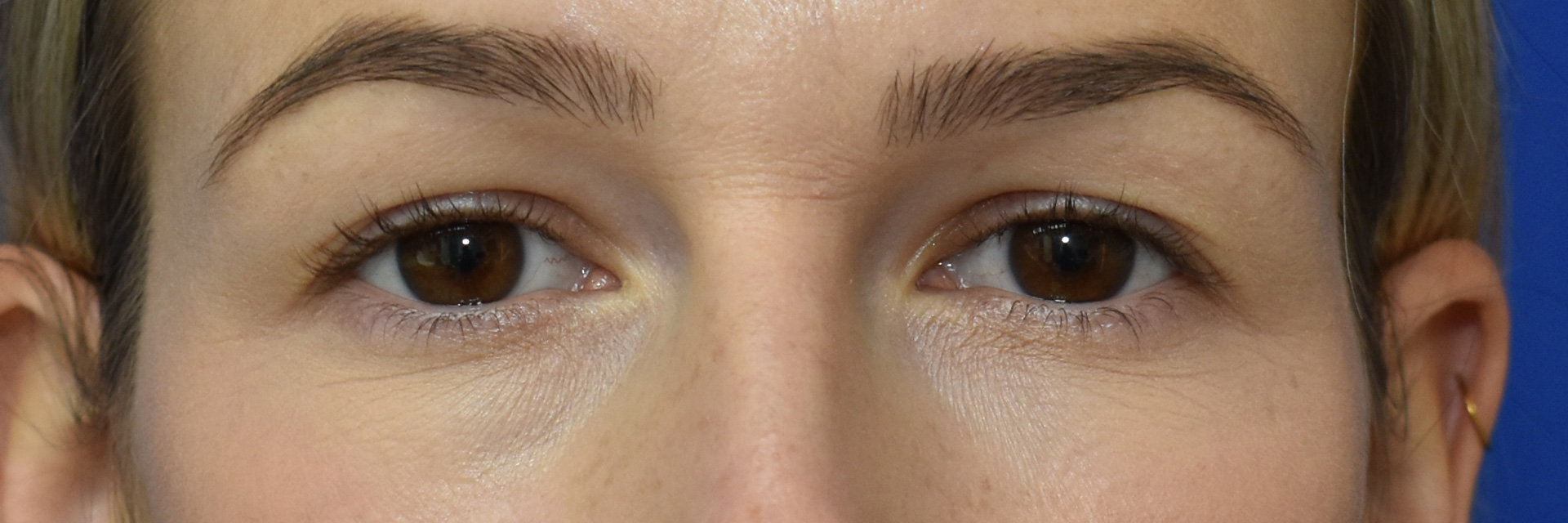
after 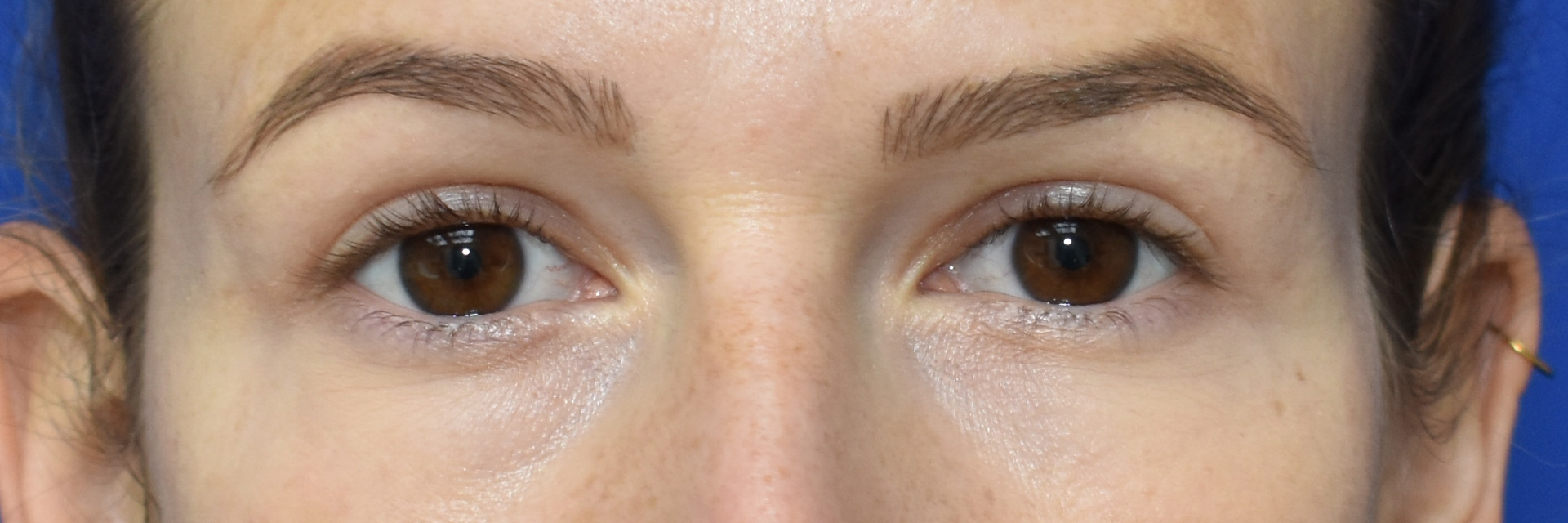
Findings: Pressure on the upper lids and tension across the forehead, because she constantly furrowed her brow at the screen. Procedure: Upper eyelid blepharoplasty.
Photographs of patients who have consented to publication. Every lid heals differently; a result shown here cannot be transferred to anyone else.
Who operates on eyelids at the Kuzbari Centre
Three specialists at the centre operate on eyelids. Whoever advises you also operates on you — and sees you again at every check-up. You choose who you feel most comfortable with.
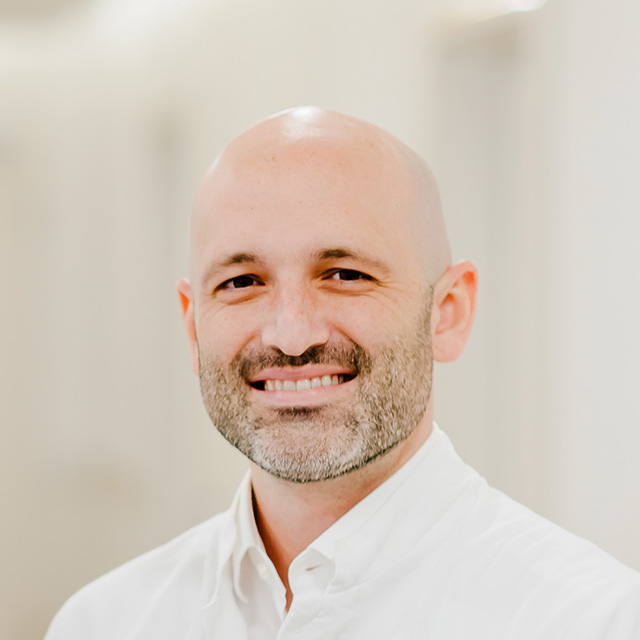
Focus on facial surgery, several times an award winner of the Austrian Society for Aesthetic Surgery. He operates on both upper and lower lids and measures his work by a result nobody recognises as surgery.
View profile
She works on the face only, combining surgical precision with a fine sense of what a single millimetre at the lid changes.
View profile
He combines international training with a treatment plan drawn up for each patient. Alongside eyelid surgery, facelifting and wrinkle treatment are his focus.
View profileFrequently asked questions about the cat eye and fox eye lift
What is a cat eye lift or fox eye lift?
Not a procedure of its own but an aim: an almond-shaped eye with a slightly raised outer corner. It is achieved through a combination of an upper eyelid lift, repositioning of the outer canthus and, where needed, a temporal brow lift.
Are visible scars left behind?
The incisions lie in the natural lid crease and at the hairline. The scars fade over months and later are usually only visible on very close inspection. How well a scar heals also depends on your skin; we discuss scar care at the check-ups.
How long is the downtime?
On average two to three weeks. Swelling and bruising can occur during recovery, so we recommend taking the first two weeks off. The final result appears after two to three months.
Is it possible without surgery?
A treatment with threads or fillers can influence the shape for a limited time but changes no structures. Anyone wanting a lasting change to the shape of the eye cannot avoid surgery.
Is every eye shape suitable for a cat eye?
No. The bony rims of the socket, the position of the eyeball, the tension of the lids and the thickness of the skin set the frame. What is possible in your case and what we deliberately do not do we say after the examination — openly, and also when the answer is not the one hoped for.
Is the procedure combined with an eyelid lift?
Often yes. The upper eyelid lift creates room, the canthal repositioning creates the shape. With a low-sitting lower lid the lower lid retractors are additionally released, so that the new shape is supported from below as well.
Which anaesthetic is used?
Local anaesthesia, with twilight sedation if you wish. The procedure is a day case and you go home the same day. Sedation is an additional module and costs €390 to €1,410 depending on the extent.
What does a cat eye lift cost at the Kuzbari Centre?
From €2,600. The figure covers the consultation, the operation, local anaesthesia, suture removal and every follow-up appointment. Brow fixation, brow lift and fat grafting are additional modules; anything additional in your case is stated in the written quotation after the examination.
Does the result last?
The structures stay changed, but the face goes on ageing. The shape holds for many years; exactly how long depends on your skin and your way of life. We do not promise a particular period.
Who carries out the procedure?
Dr Christoph Grill, DDr Jessica Wittmann and Dr Shawqi Arafat. You choose the specialist you prefer and are advised, operated on and followed up by the same person.
Your eyelid check-up
About an hour of time, professional photographs, an examination of your lid region, a look at photographs of you as a young adult and a written quotation — without obligation and without pressure.
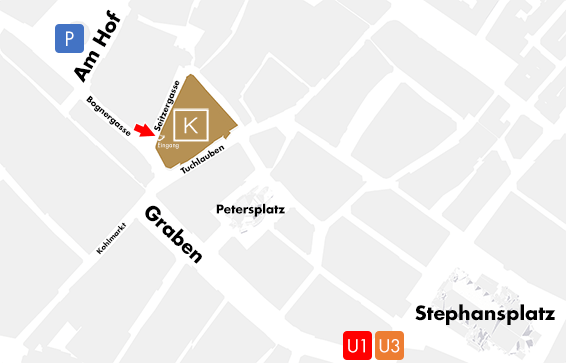
Monday to Friday, 08:00 to 18:00 · Seitzergasse 2-4, 1010 Vienna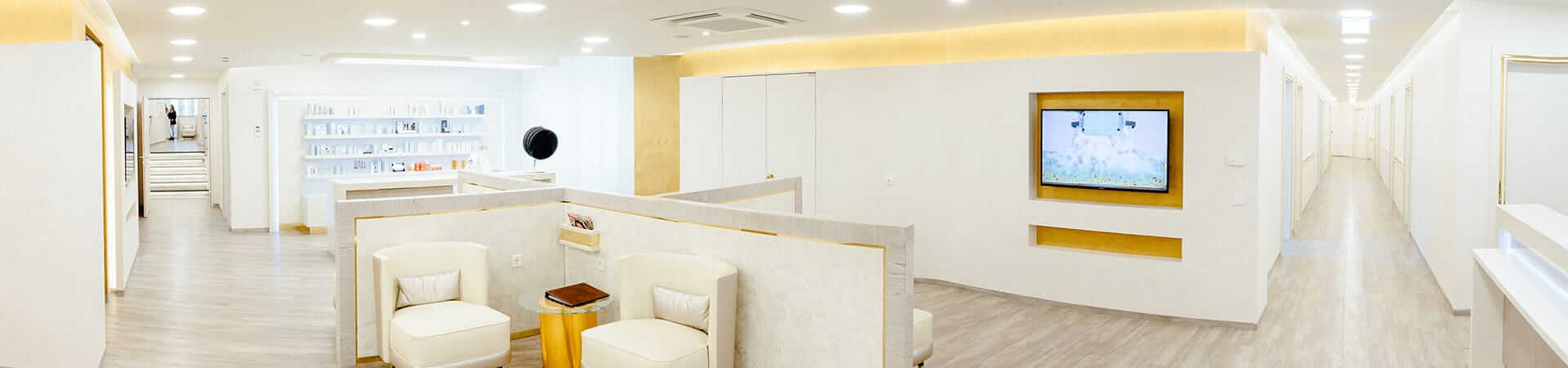
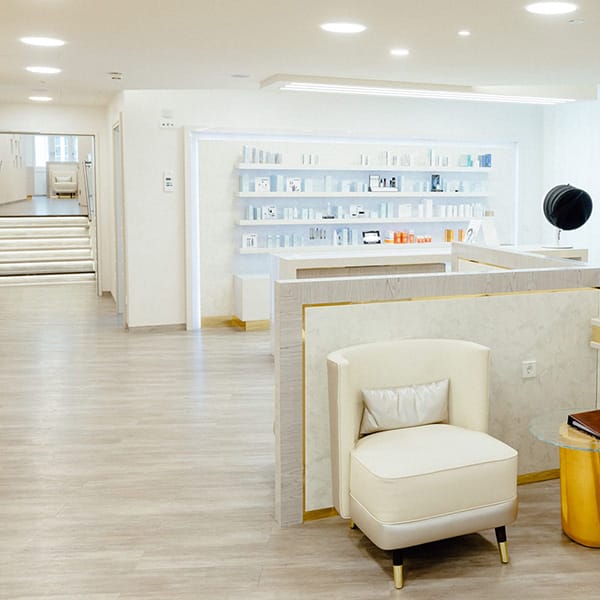


 01 358 28 01
 Book now