













3D simulation of your rhinoplasty: your outcome before you decide
Anyone unhappy with their nose usually knows what they would like to change. But will it actually look good? Will the proportions work — and, far more importantly: do surgeon and patient have the same picture in mind?
- Vectra 3D
- Profile, front, from below
- Part of the initial consultation
- Included
The answer to those questions
Our 3D simulation system answers all of them. It does so in the form of a three-dimensional model of your face, which you can shape together with us according to your wishes. That helps you, and it helps us too, because it is the only way to be certain that we picture your future nose exactly as you do.
The 3D simulation is not an optional extra; it is a fixed part of every initial rhinoplasty consultation at the Kuzbari Centre. It costs you nothing on top and commits you to nothing — it is simply the moment in the conversation when words turn into an image.
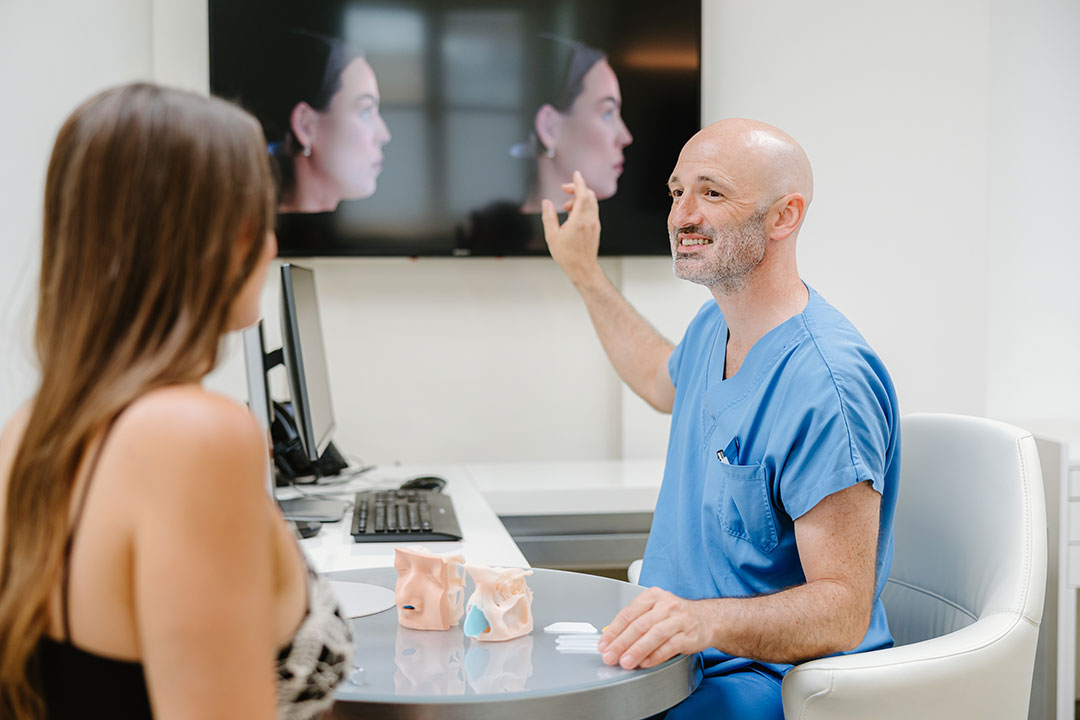
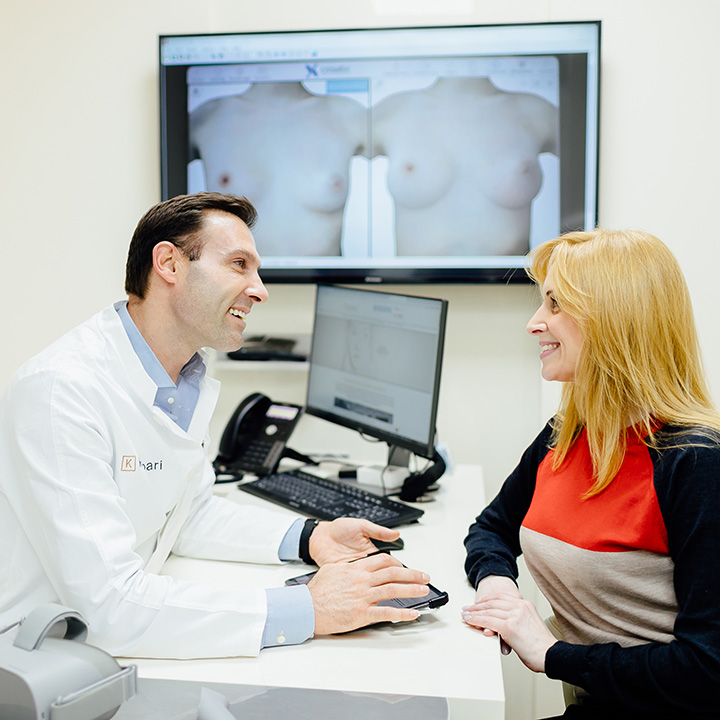
Together at the screen
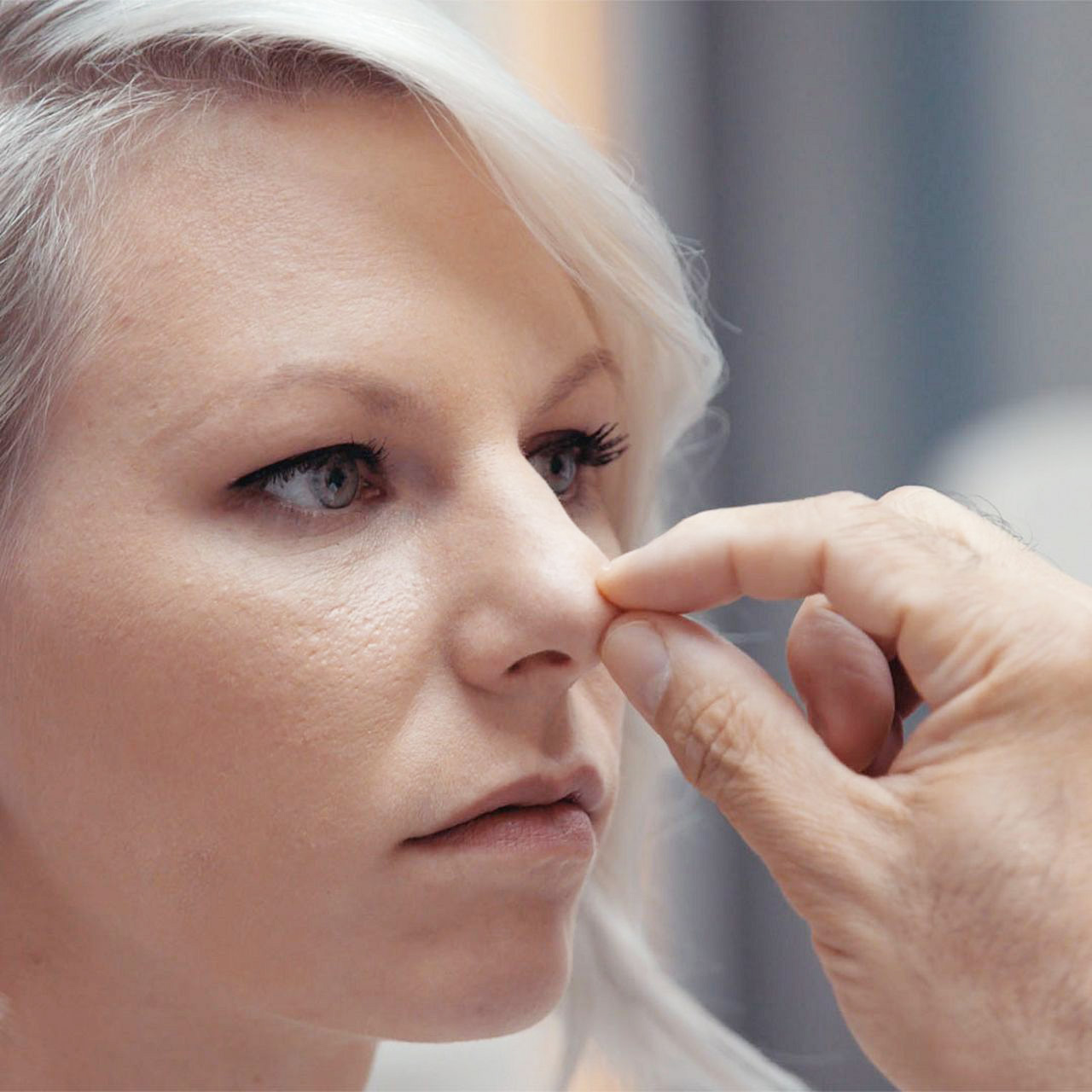
You do not sit beside someone giving a demonstration. You say what you have in mind, we apply it to the model, and you see straight away whether that is what you meant. This back and forth of saying, seeing and correcting is the real value of the simulation.
How it works
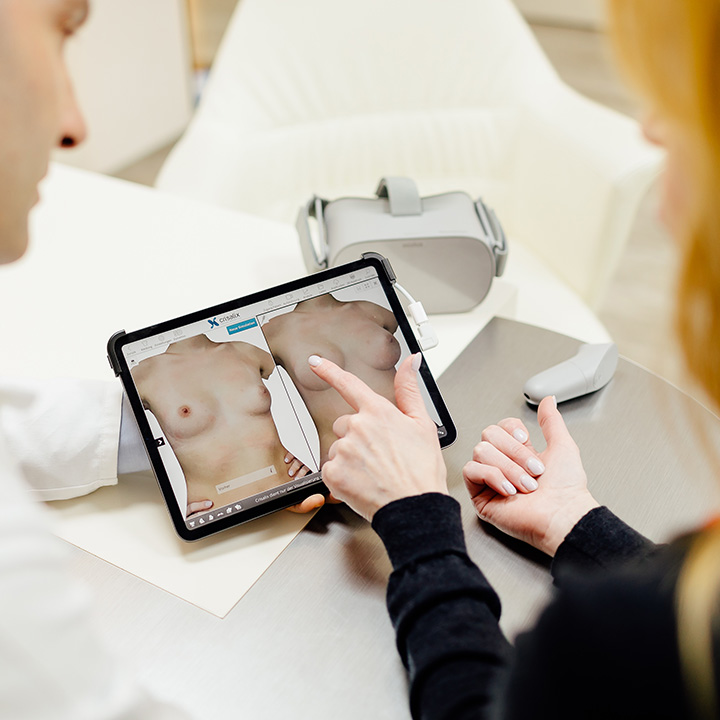
The 3D simulation takes place during the initial consultation. For it we use, put simply, an oversized camera that scans your face from above, from below and from both sides. On the 3D model calculated from those images we then shape the desired changes on the computer, accurate to the millimetre. Every wish can be discussed and worked in together with you on the spot.
- The scan
You sit in front of the Vectra 3D camera, look straight ahead and hold still for a moment. Several lenses capture your face simultaneously from different directions. There is one flash, and that is all — no contact, no radiation, no preparation.
- The model
From those images the software calculates a three-dimensional likeness of your face. You see yourself on screen and can rotate the model — including into views you never get to see in the mirror.
- The change
Now the shaping begins: reduce or preserve a hump, lift or rotate the tip, straighten the bridge, narrow the nostrils. Every change is visible at once, and every change can be undone.
- The comparison
Before and after sit side by side, in the same views and the same lighting. Only that direct comparison makes clear how much — or how little — a change amounts to.
- The reality check
Finally we tell you which of it can actually be achieved surgically in your case. That is the most important step: a simulation knows nothing about cartilage strength or skin thickness — we do.
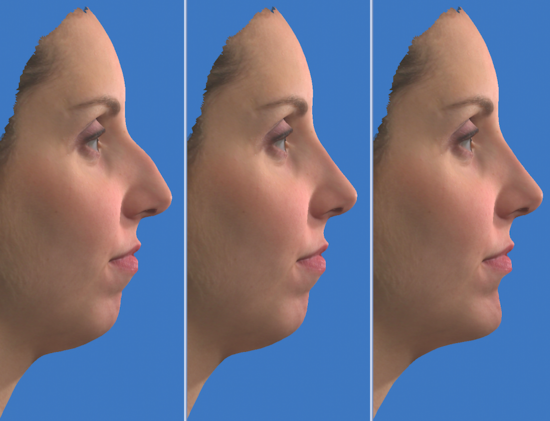
Millimetres instead of adjectives
„A bit narrower“ is not an instruction anyone can operate on. On the model it becomes a number: this much less hump, this much more rotation. That number later appears in the surgical plan.
Three perspectives instead of one
Our 3D simulation shows your future nose not only in profile, but also from the front and from below. You therefore see your possible outcome from exactly the angles from which other people see you every day — and we discuss the same image before surgery.
That sounds technical, yet it is the practical heart of the matter. Most people know their nose from the mirror, in other words from the front. What troubles them, however, is often a profile they only know from photographs. And the view from below — the base view — shows whether the nostrils sit symmetrically and whether the columella runs straight. Planning only one of those three views means planning past two thirds of the outcome.
The 3D simulation at a glance
- TechnologyVectra 3D
- WhenIn the initial consultation
- ViewsProfile, front, from below
- DurationAround 20 minutes
- CostIncluded
- ExposureNo radiation, no contact
Guide values for the 3D simulation at the Kuzbari Centre. How long it takes for you depends on how many variations you would like to see.
Understanding and being understood
The point of the Vectra 3D is above all convergence and understanding: many people find it hard to put their wishes into words. A „narrower nose“ means something different to everyone. Working from the 3D images and talking them through, surgeon and patient see precisely who pictures what, and where the two meet. The outcome satisfies both sides: the patient feels understood.
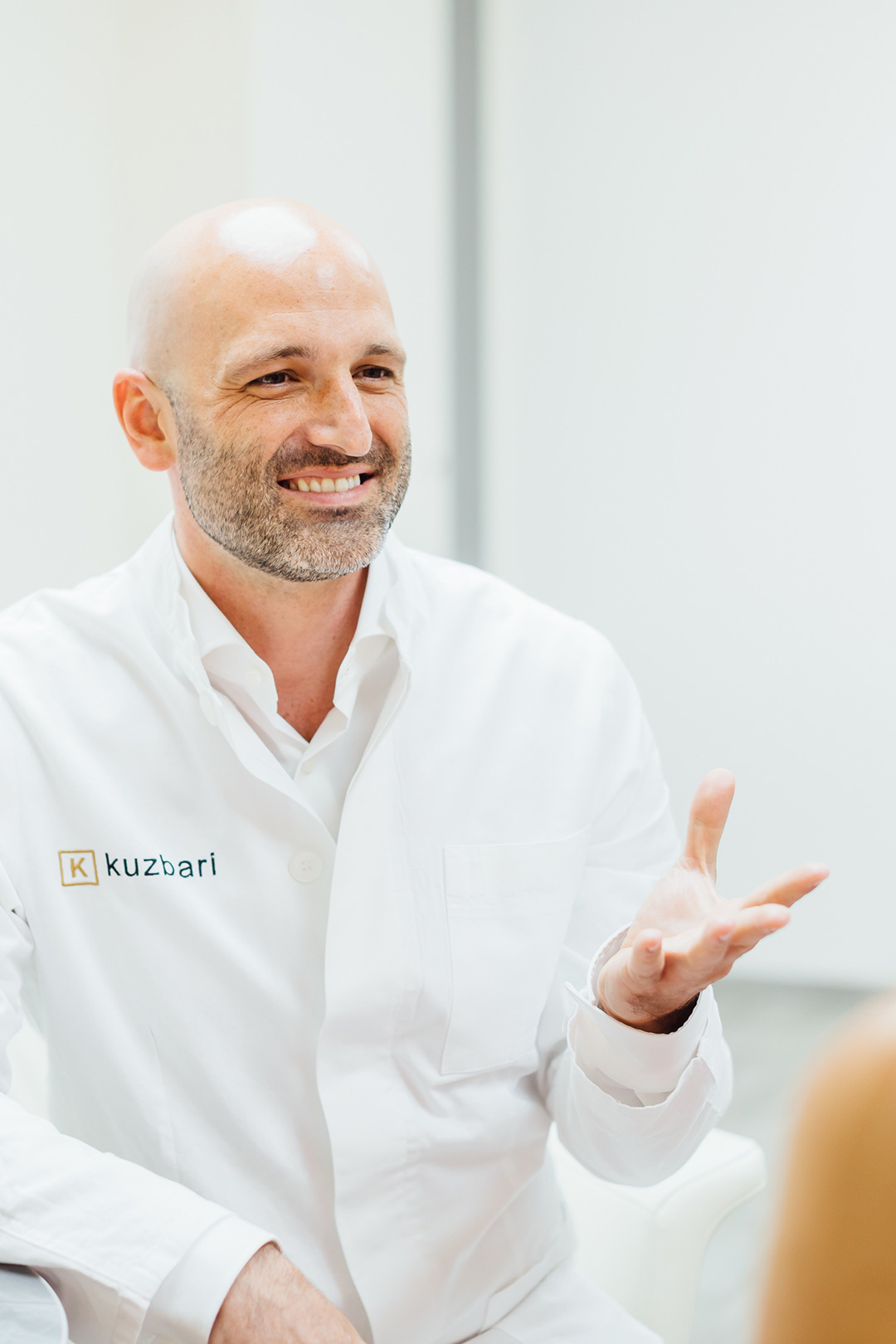
I understand the wishes and see the problem more vividly. Conversely, with the Vectra 3D I can show a patient what is medically feasible. That way we find the individually perfect shape and the right surgical method together.
Identity and 3D simulation: “Will I still recognise myself?”
The greatest fear of many patients: no longer looking like themselves after the nose operation. Dr. Christoph Grill explains how he prevents that with conscientious explanation and 3D simulation — and why you should only have a nose correction if you want it with your whole heart.
The full episode: Aesthetic Insights 8 — The Confidence Effect
What the simulation is not
Since the human face is not a piece of wood to be carved, the outcome naturally does not turn out exactly like the computer simulation. That is not a caveat we hide in the small print — it is the reason the simulation is worth anything at all: it shows you the order of magnitude of what is possible and the direction of travel, not a guaranteed picture.
Three things the software does not know. It does not know the thickness of your nasal skin, which determines how finely a contour will later show through. It does not know the strength of your cartilage, on which the stability of the framework depends. And it does not know your healing — the refined shape of a nose emerges over six to twelve months. Those are precisely the three things we bring to the initial consultation.
From simulation to surgical planning
The simulation does not end with the appointment. What you agreed together on screen feeds into the surgical plan: which technique suits your findings, how much is altered along the bridge, how the tip is stabilised.
We work a great deal with the modern nose-bridge-preserving technique known as dorsal preservation, as well as with hybrid techniques — not exclusively with traditional structural septorhinoplasty. The natural bridge of the nose is preserved rather than taken down and rebuilt. The simulation can already show what that means for your profile.
We stabilise the tip of the nose using modern cartilage-supported techniques. This considerably reduces the risk of drooping of the nasal tip over the years. That belongs in the planning too: a simulation shows the day after healing — the technique decides the years that follow.
| Question | The 3D simulation | The examination |
|---|---|---|
| How could my nose look? | Shows the shape in three views and directly against how it looks today. | Says how much of that can be achieved on your framework. |
| How refined will the outcome be? | Calculates with an ideal surface. | Establishes your skin thickness — it decides how fine a contour can be. |
| Will my breathing improve? | Can say nothing about it; it maps the surface only. | Checks septum, turbinates and nasal valves from the inside. |
| How long will the operation take? | Gives a hint of the scope of the change. | Decides it: here a rhinoplasty takes one to four hours, depending on the findings. |
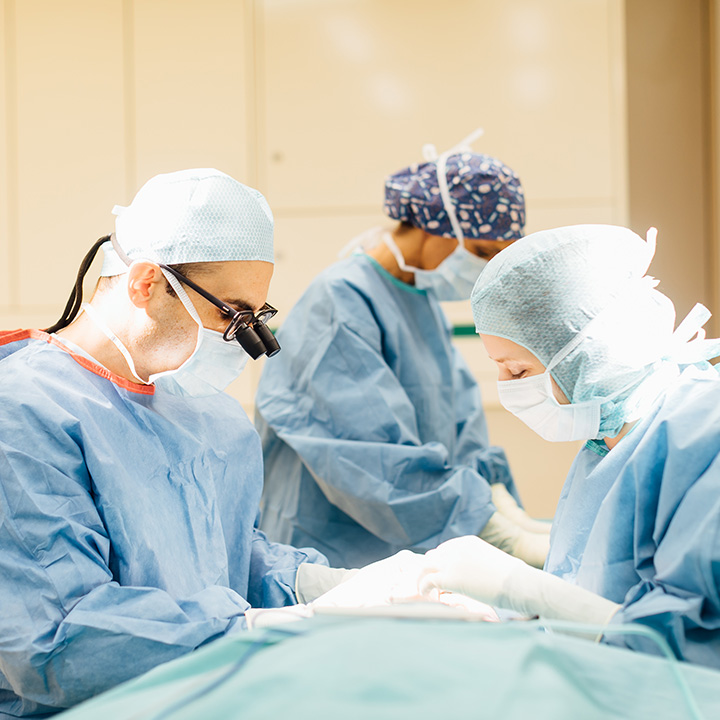
Because we operate in our own theatres, the operating time follows what was agreed in the simulation — not the other way round. There is no reason to scale a plan down so that it fits a time slot.

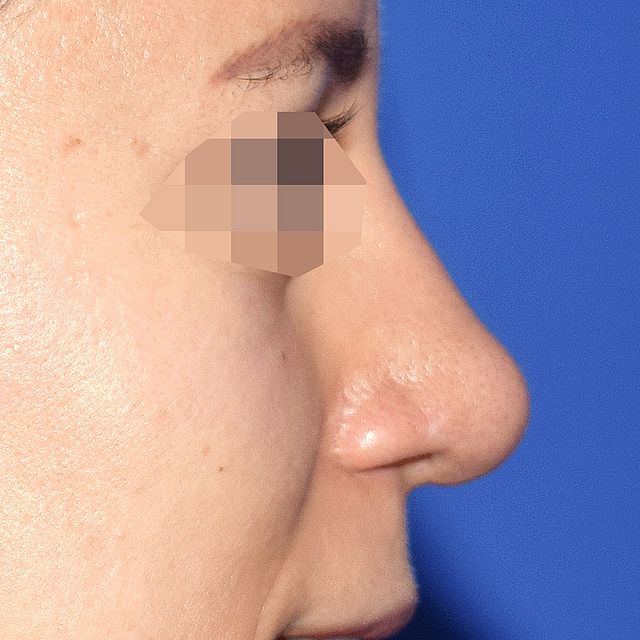
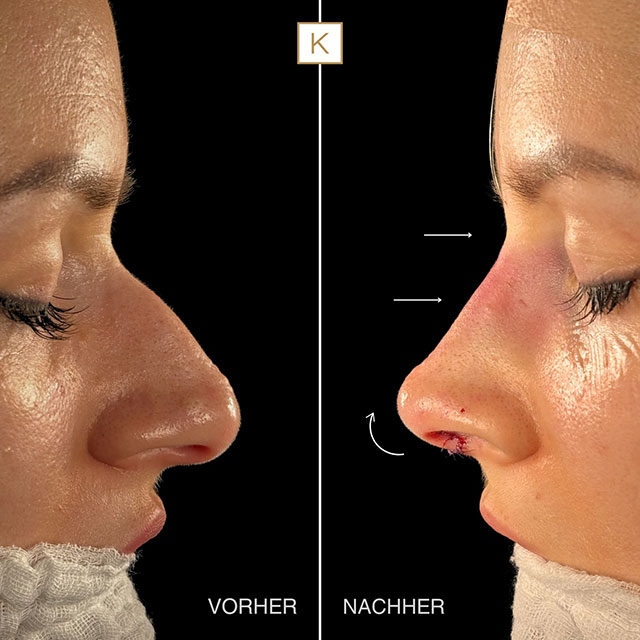
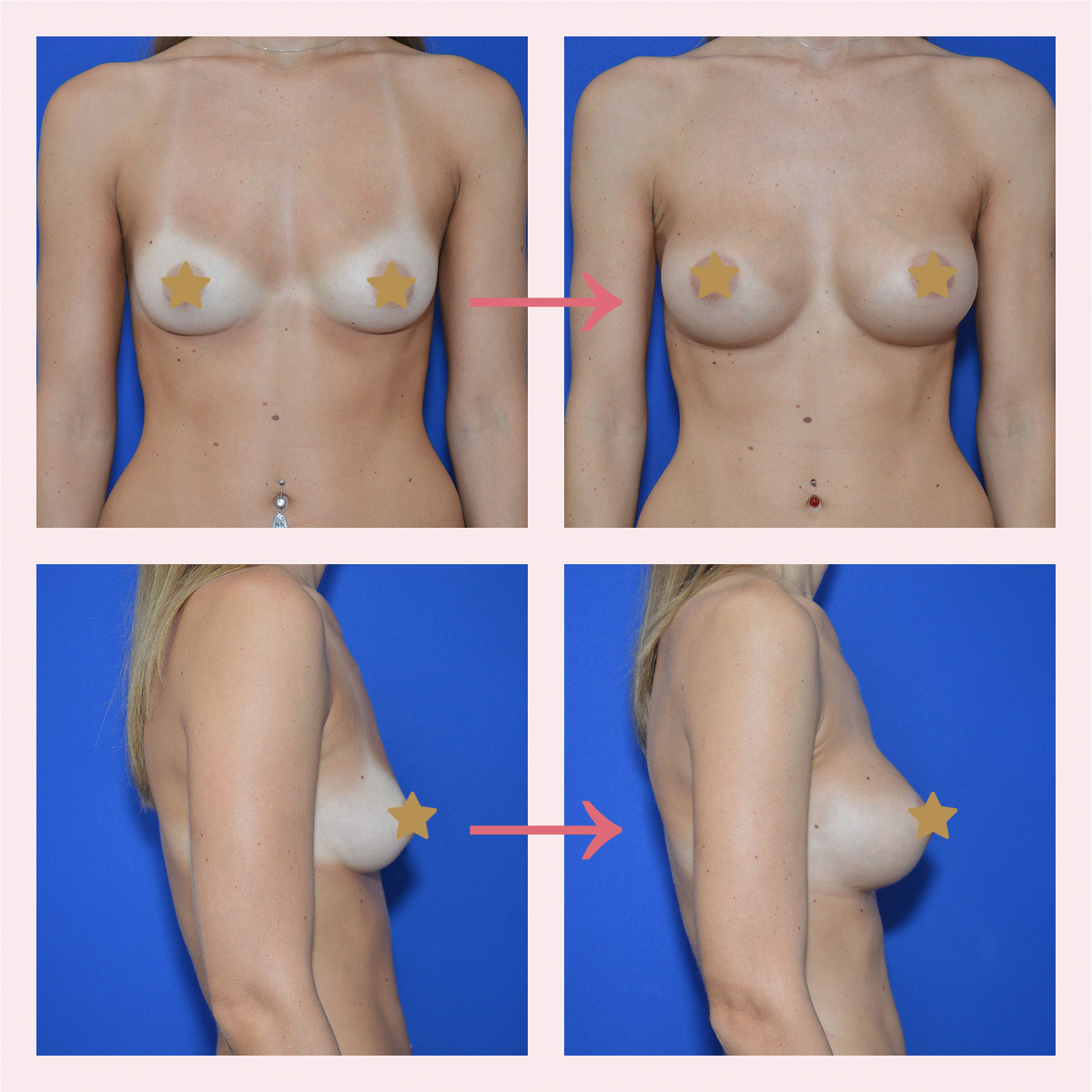
Drag the slider to compare before and after. We show cases like this in the initial consultation alongside your own simulation.
- Age
- 30 years
- View
- Profile
- Case
- View details
Photographs of patients who have consented to publication. Every nose heals differently; an outcome shown here cannot be transferred to anyone else.
The 3D simulation is part of the initial consultation and included.
Frequently asked questions about the 3D simulation
What does the 3D simulation cost?
Nothing additional. It is part of the initial rhinoplasty consultation and included in the price.
How long does the 3D simulation take?
Around 20 minutes within the initial consultation, which lasts more than an hour in total. If you would like to see several variations, we take the time for it.
From which views do I see my possible outcome?
From three: in profile, from the front and from below. You therefore see your possible outcome from exactly the angles from which other people see you every day.
Is the simulation a guarantee of the outcome?
No. It is a preview within the limits of your anatomy. The human face is not a piece of wood to be carved; the outcome therefore does not turn out exactly like the computer simulation.
Is the scan uncomfortable or a strain?
No. The camera does not touch you, there is no radiation, and nothing needs preparing. There is one flash, and that is all.
May I bring photographs of other noses?
Please do. They help us understand what appeals to you. We will not, however, simulate a nose that suits neither your face nor your anatomy — where something makes no medical sense, we say so in conversation.
Do I get the images to take home?
The images remain part of your medical record at the Kuzbari Centre. What you would like to take with you is something we discuss at the appointment.
Does the simulation also show whether my breathing will improve?
No, it maps the surface only. Whether obstructed nasal breathing can be treated is shown by the examination from the inside — septum, turbinates and nasal valves.
Is the simulation also done on a previously operated nose?
Yes. It is particularly helpful there, because it shows which correction remains realistic. If possible, bring the surgical report and photographs from before the first procedure.
How do I get an appointment with a 3D simulation?
Through the booking system for nasal surgery, or by telephone from Monday to Friday between 08:00 and 18:00 on +43 1 358 28 01. The simulation is part of every initial consultation.
Your consultation with 3D simulation
More than an hour of time, an examination from outside and inside, your future nose in profile, from the front and from below — without obligation.
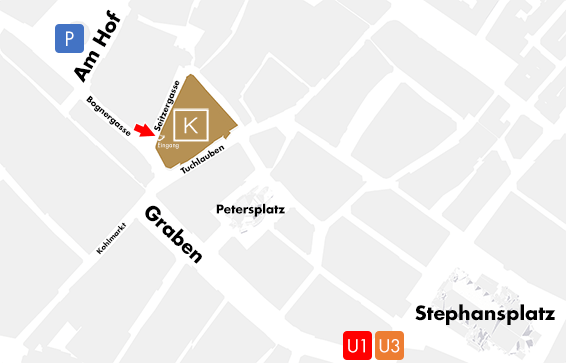
Monday to Friday, 08:00 to 18:00 · Seitzergasse 2-4, 1010 Vienna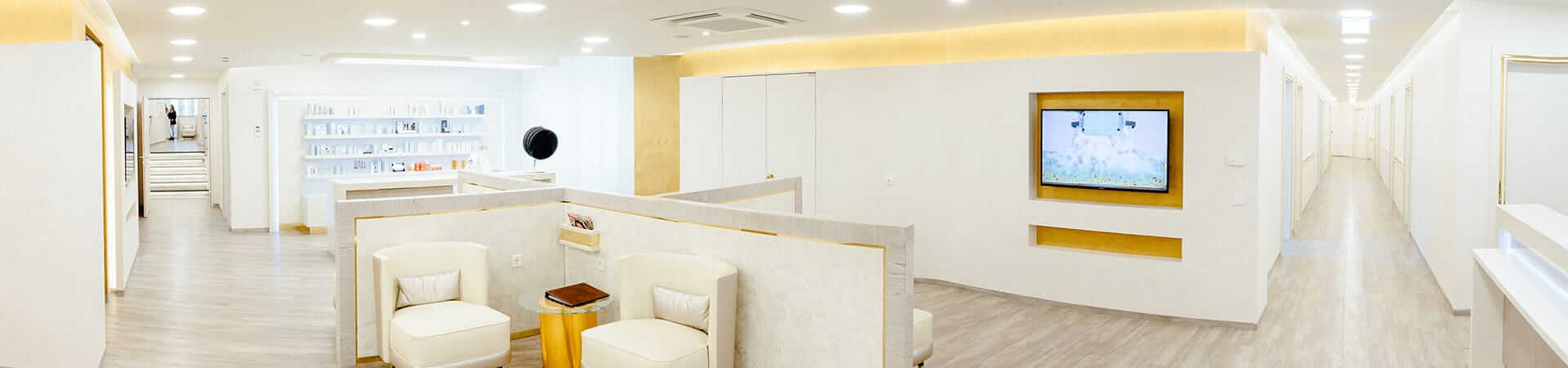


 01 358 28 01
 Book now