


+43 1 358 28 02
Mon - Fri, 08:00 to 18:00
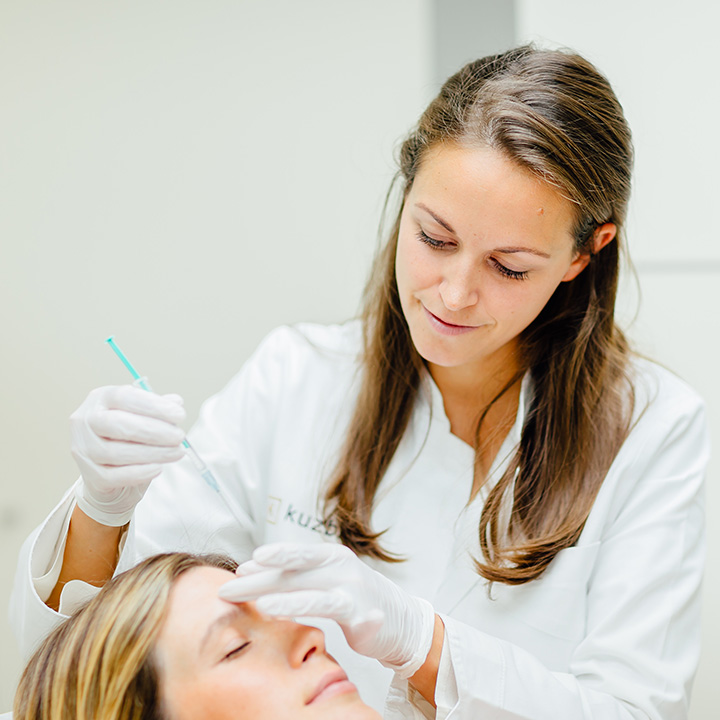
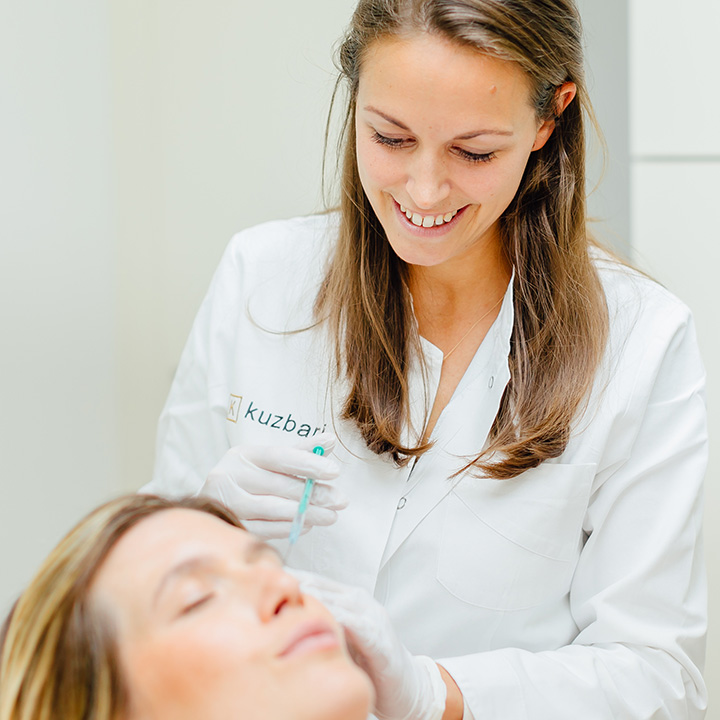
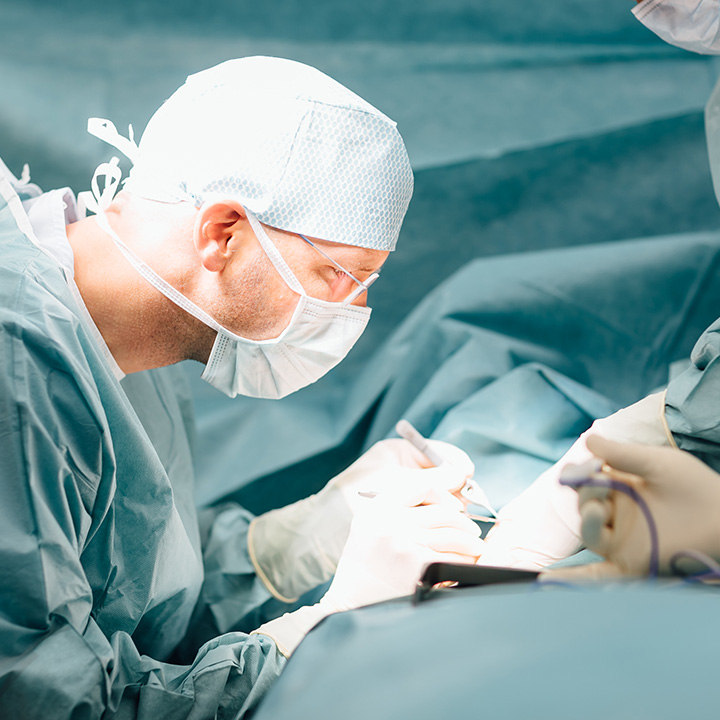
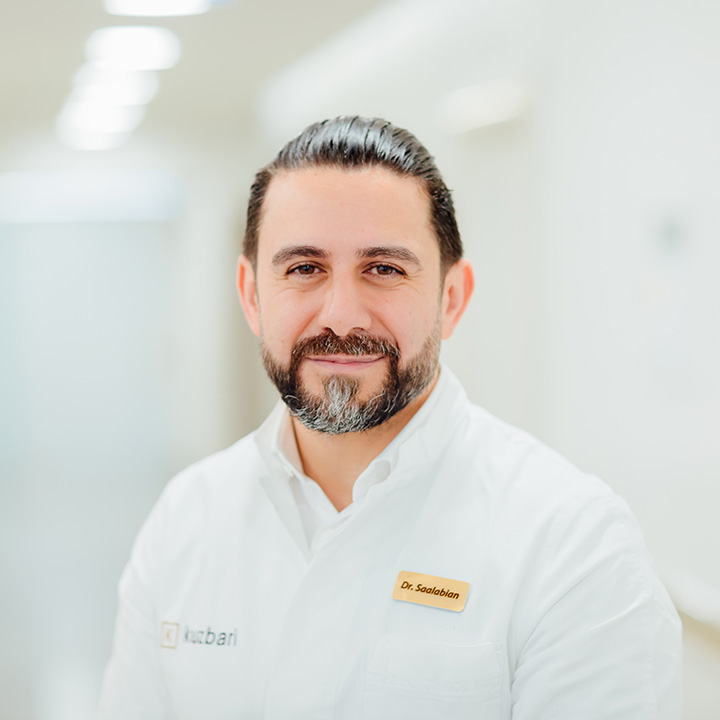
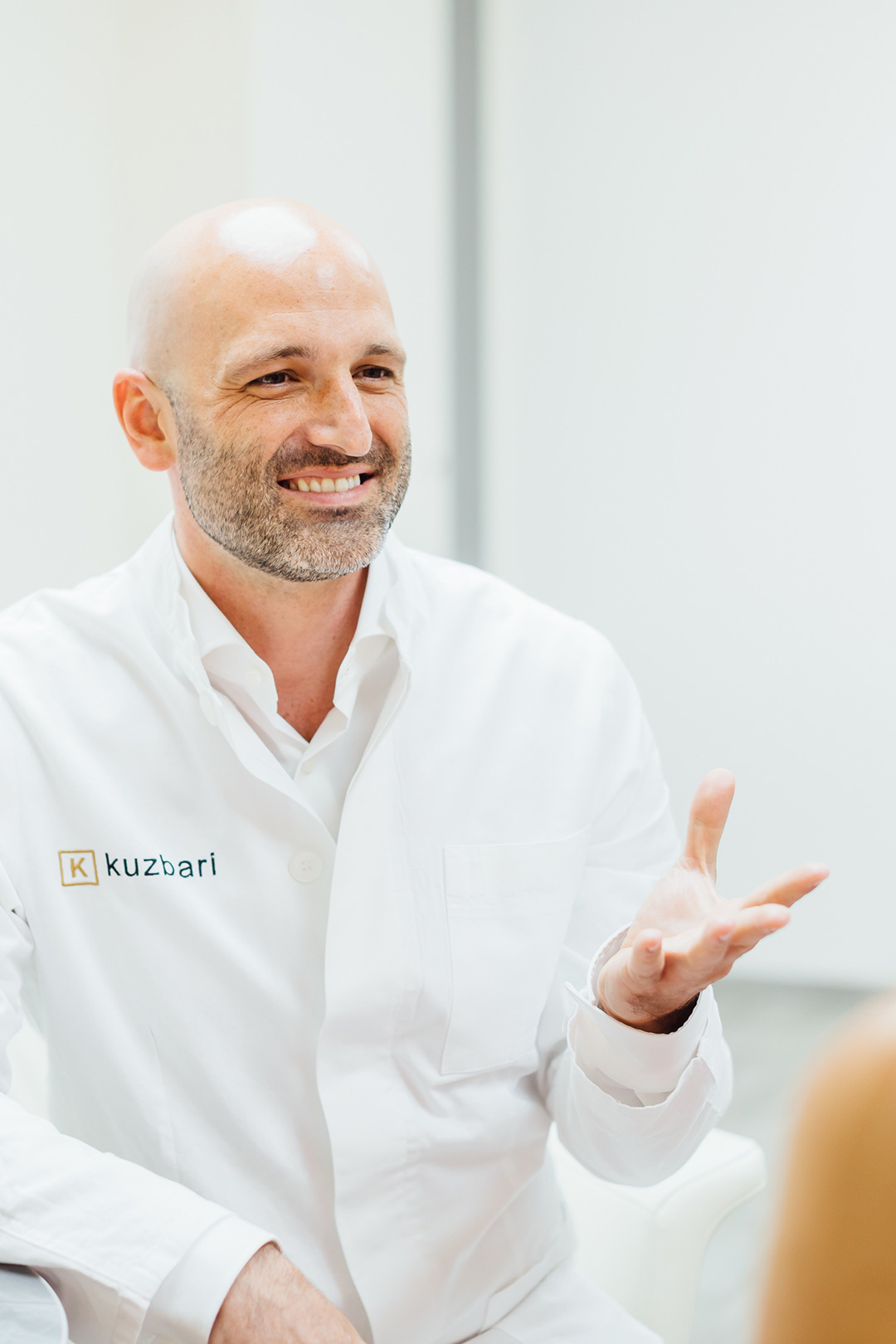
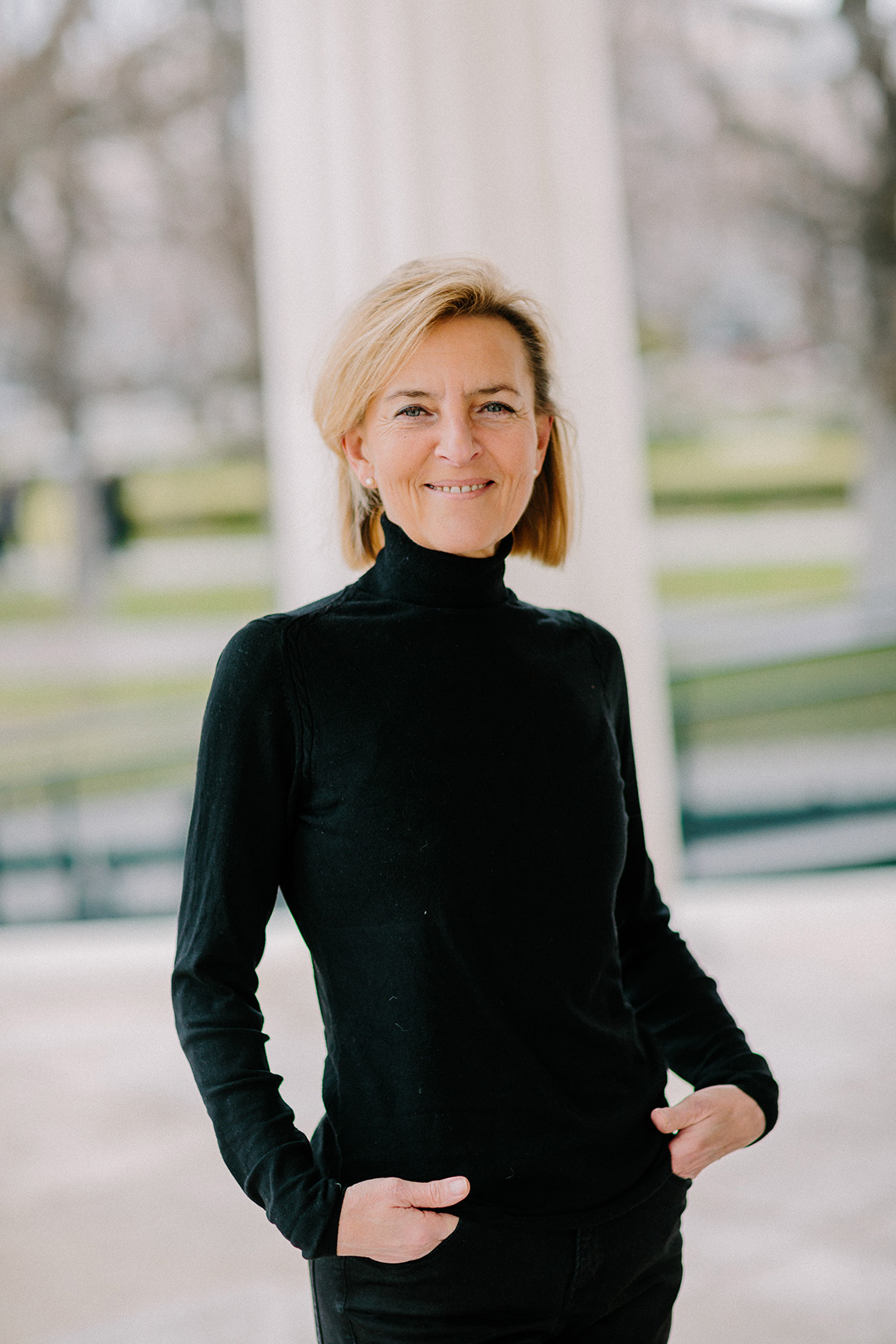
Dr. Christoph Grill is a specialist in plastic, aesthetic and reconstructive surgery. At the Kuzbari Centre for Aesthetic Medicine his focus lies on facial rejuvenation and nasal surgery. The nose sits at the centre of the face: it decides how harmonious a face appears, and at the same time it has to work flawlessly. It is precisely this combination of form and function that Dr. Grill works on.
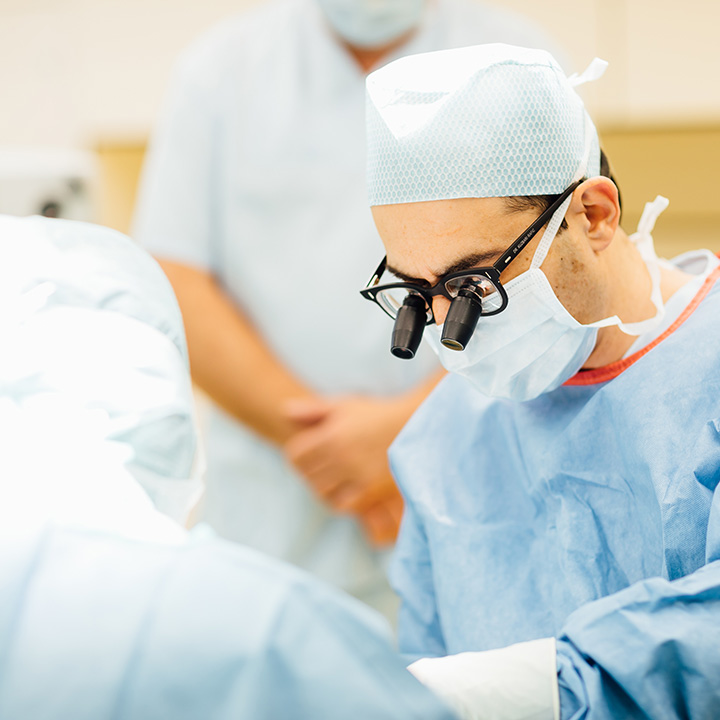
The face in particular demands special skills from a surgeon: as in hardly any other region of the body, muscles, nerves, ligaments, fatty tissue and connective tissue lie closely beside and often on top of one another. Here Dr. Grill benefits from his many years of collaboration with the Institute of Anatomy at the Medical University of Vienna and from his precision. He is considered particularly analytical and is widely valued for his calm personality.

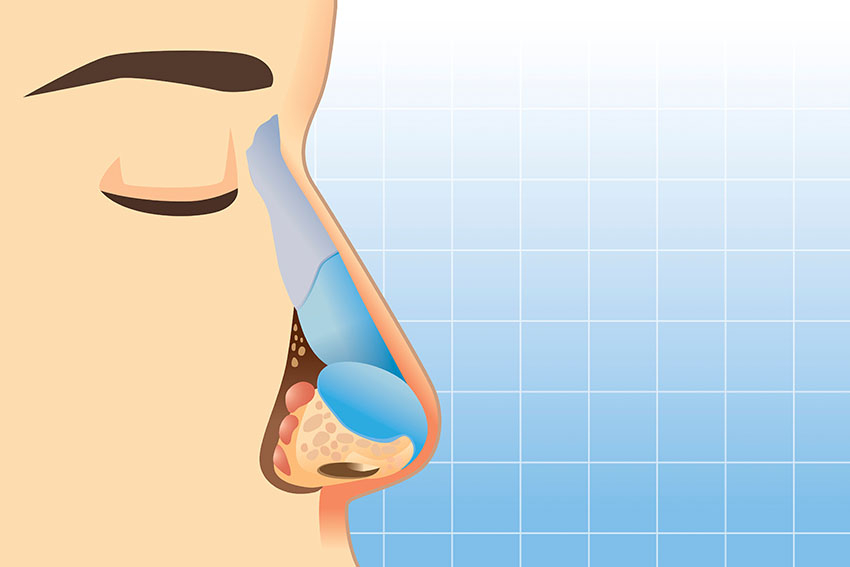
A nose is never planned on its own. It is planned for a face – for its proportions, for the profile, for the way a person comes across. Every rhinoplasty with Dr. Grill therefore begins with a very careful analysis: how is the nasal dorsum built, how stable is the nasal tip, how thick is the skin, how does the nasal septum stand, how freely does the nose breathe? Only then do technique and outcome become a topic.
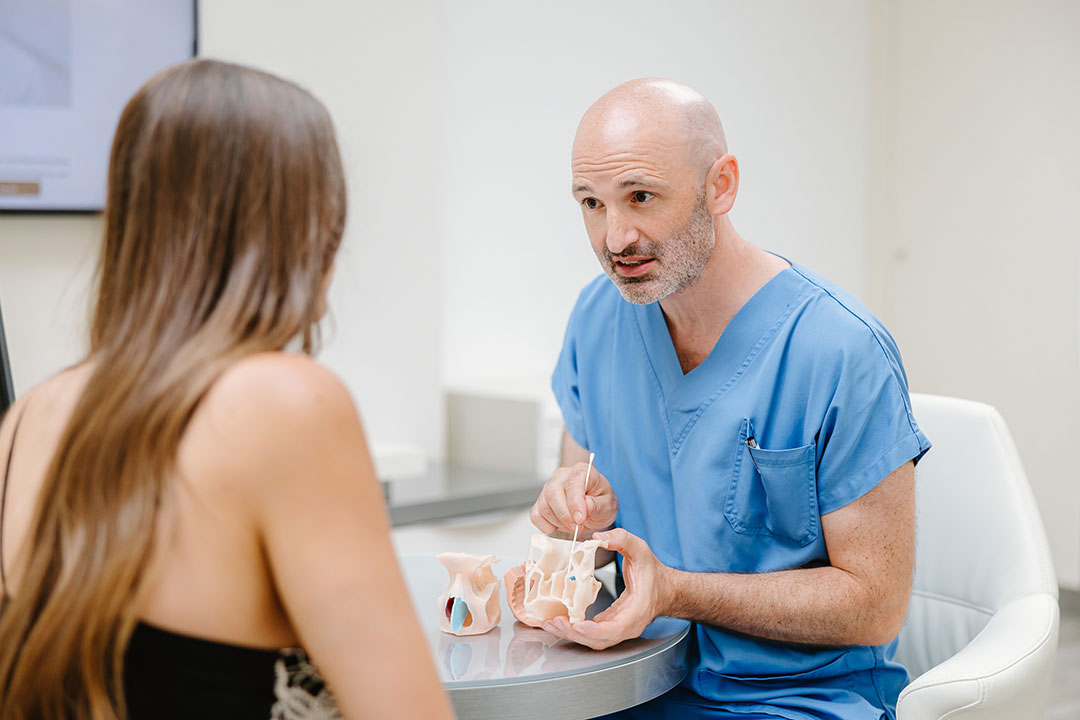
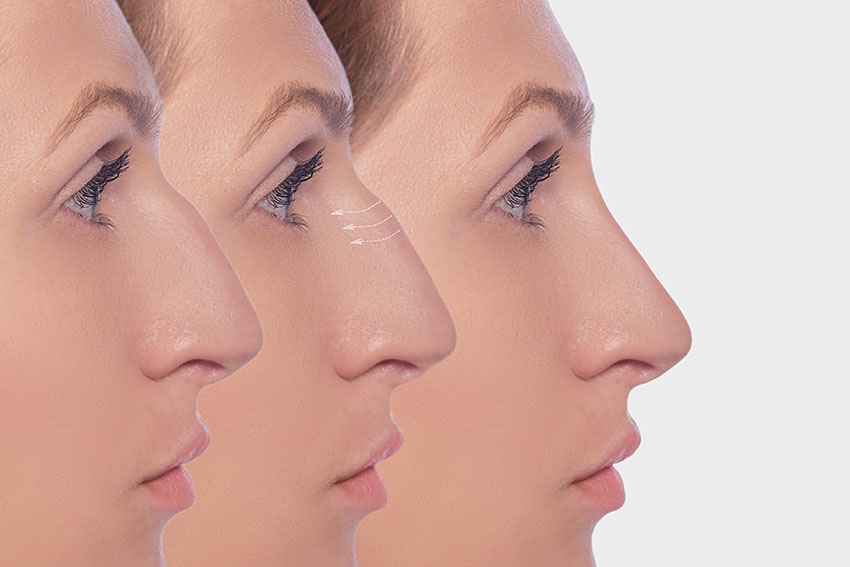
How much of a hump should remain, how far may the nasal tip be lifted, which width suits the face? All of that can be discussed at the anatomical model and with a hand mirror, without slipping into technical language. Dr. Grill shows what is possible – and says just as plainly what is not. The aim is never a striking nose, but a nose that nobody notices any more.
A great many noses that are aesthetically disturbing also work poorly: a deviated septum, enlarged turbinates, nasal valves that are too narrow. Dr. Grill therefore examines nasal breathing at every consultation, even when the reason for the visit is purely aesthetic. Where it makes sense, form and function are corrected in a single procedure – which spares you a second operation and a second healing period.
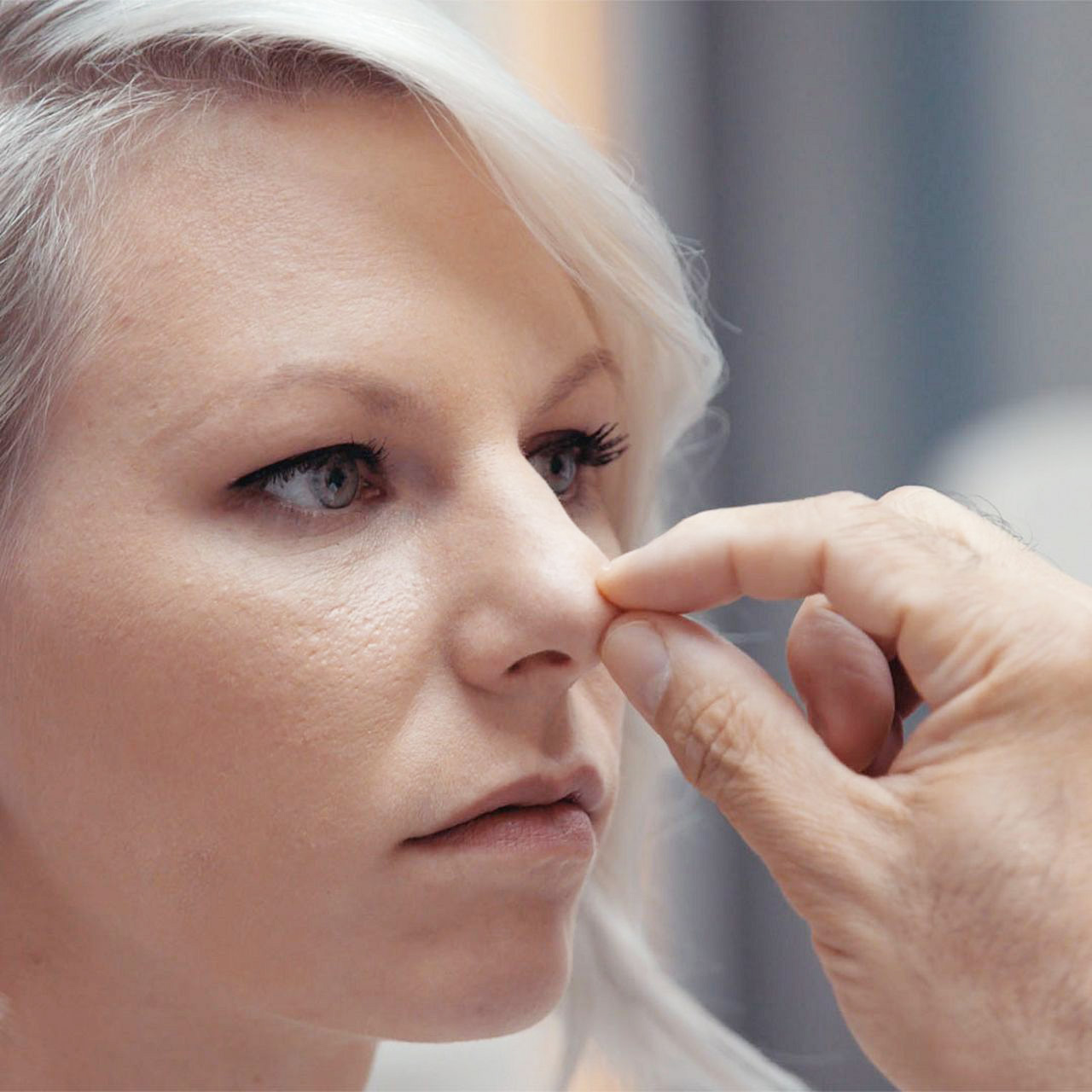
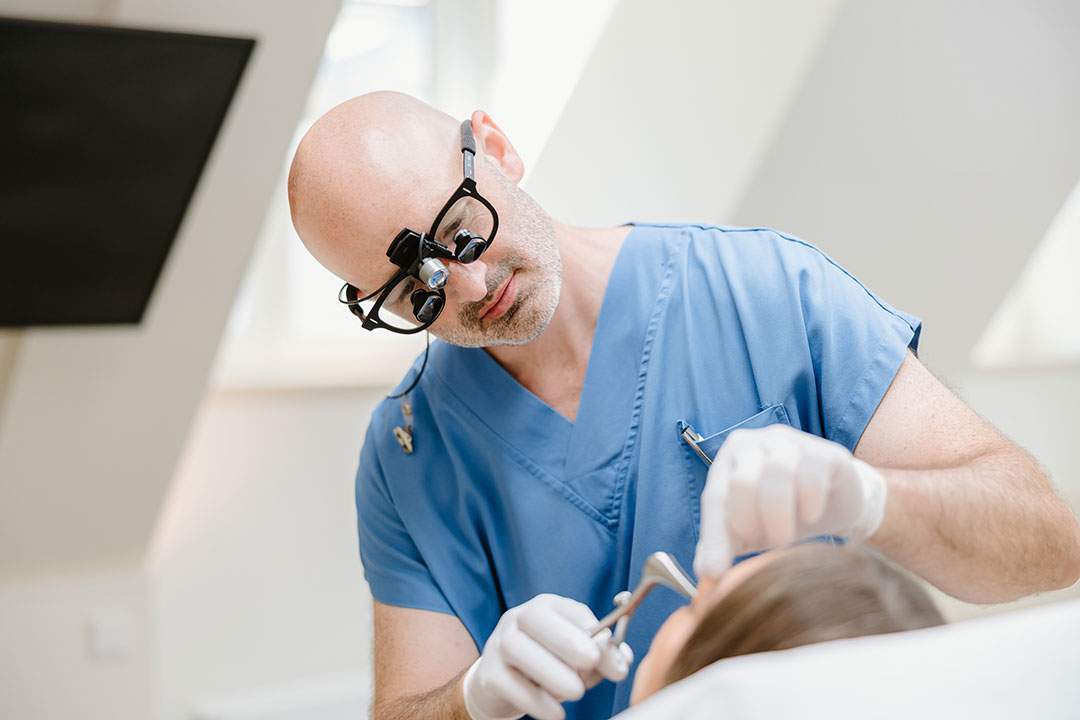
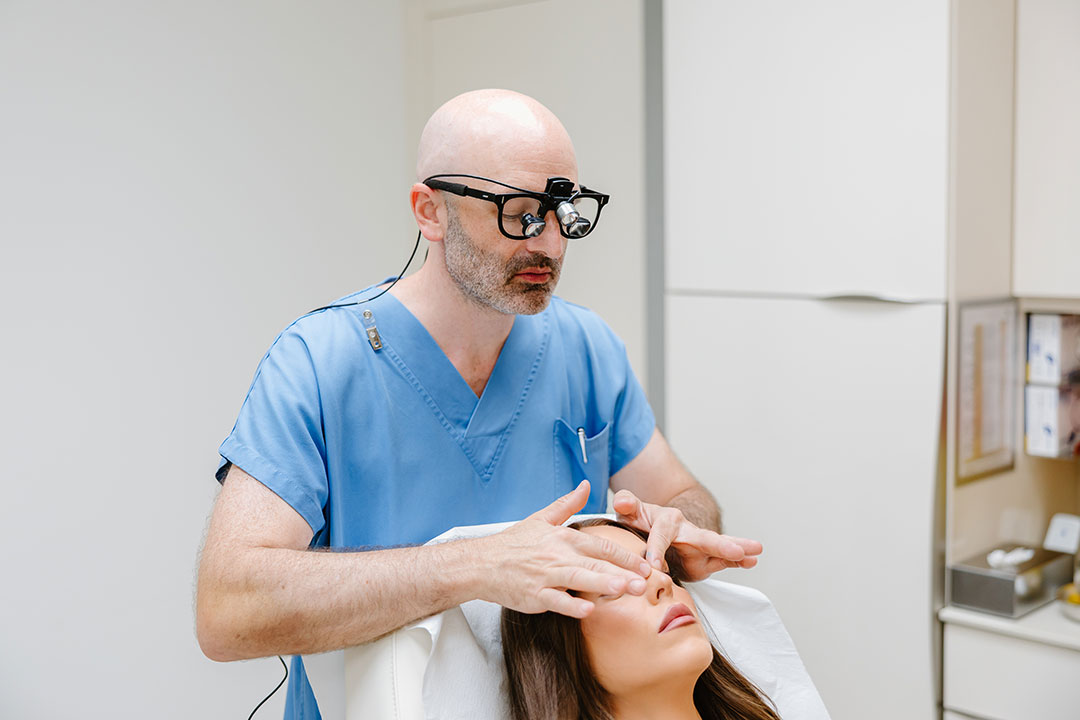
The examination includes a look inside the nose with the nasal speculum, palpation of the nasal dorsum and nasal tip, and an assessment of skin thickness. The skin co-determines how fine a result can be: thin skin shows every contour, thick skin is more forgiving but takes longer before the final shape becomes visible. Anyone who knows this beforehand has realistic expectations after the operation.
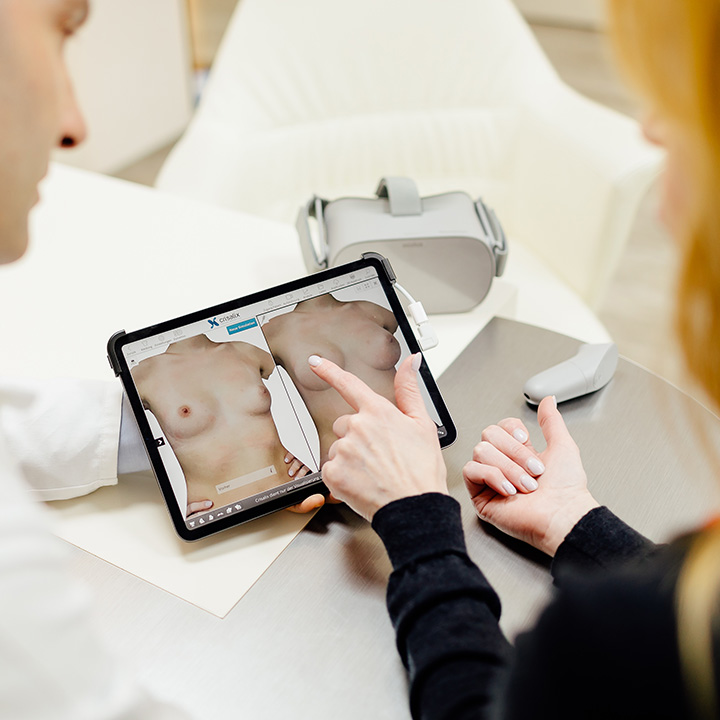
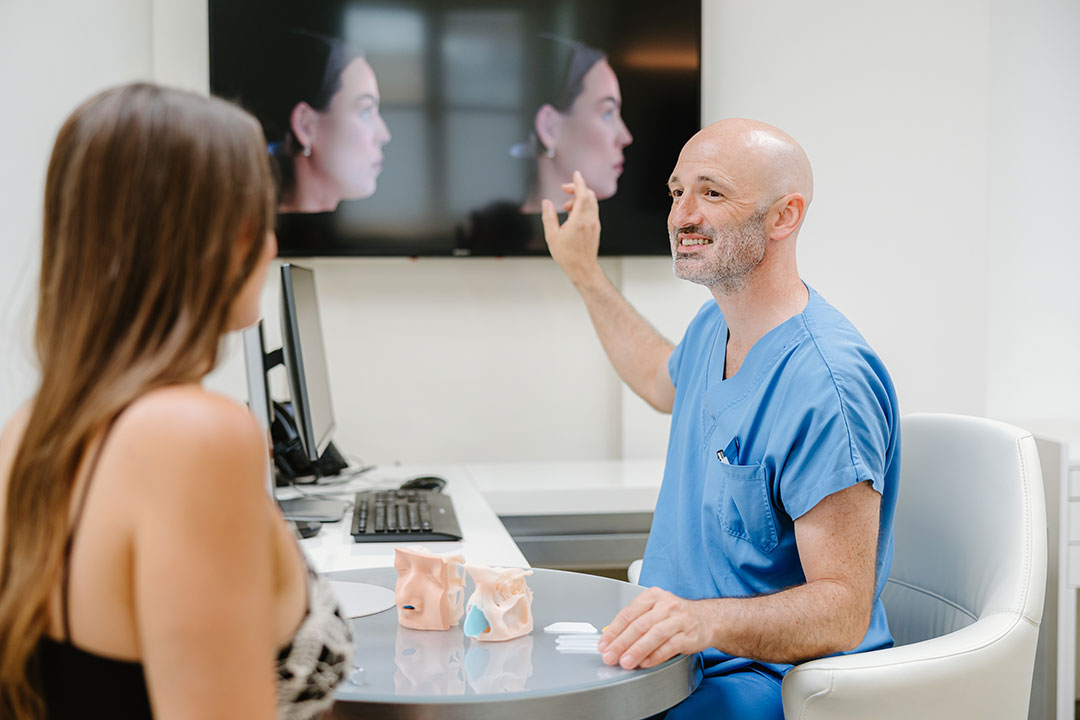
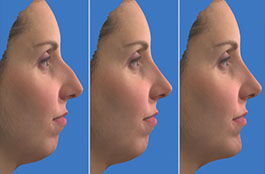
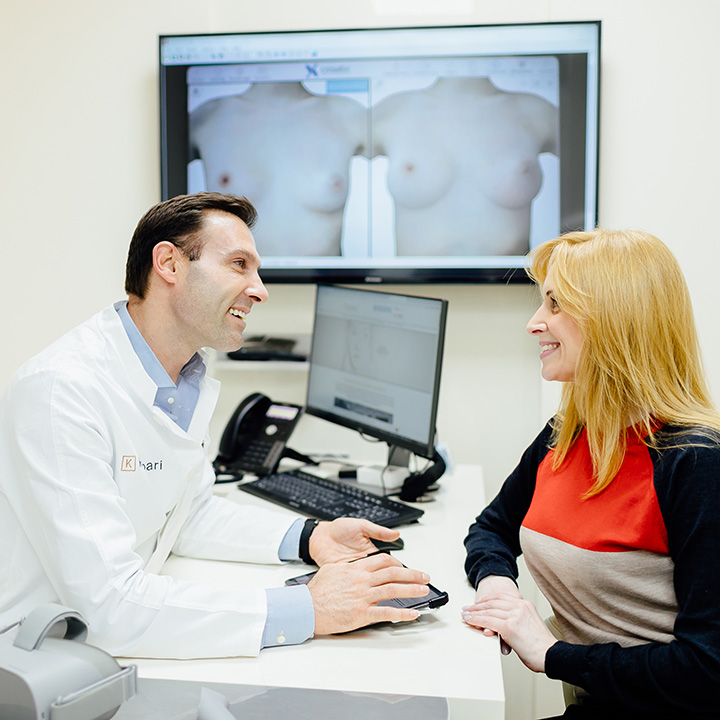
Phrases such as "a little smaller" or "slightly straighter" mean something different to every person. With Vectra 3D technology a three-dimensional image of your nose is created at the Kuzbari Centre, on which Dr. Grill demonstrates the individual surgical steps. You see your possible outcome from every angle and can say what you like and what you do not – before any decision is taken.
Some patients come to us not with an untouched nose, but after a procedure that did not deliver the desired outcome. Such noses are more demanding: scar tissue, missing cartilage and altered supporting structures make every step harder to predict. Dr. Grill takes particular time over the preliminary examination in these cases and speaks openly about what can be achieved.
In 2026 Dr. Grill and DDr. Jessica Wittmann spent a fellowship in Brazil working intensively with new and modern techniques of rhinoplasty. The focus lay on two starting points that count among the most demanding in nasal surgery: thick skin and ethnic nasal shapes — a broad bony base, a low bridge, a tip with little definition.
What feeds from that into his work is an approach: build up rather than take down. Beneath thick skin, definition does not come from reduction but from a stable cartilage framework carrying the tip against the soft tissue, together with careful handling of the soft-tissue envelope. The character of the nose is preserved — Dr. Grill plans every nose for the face that carries it, not for a template.
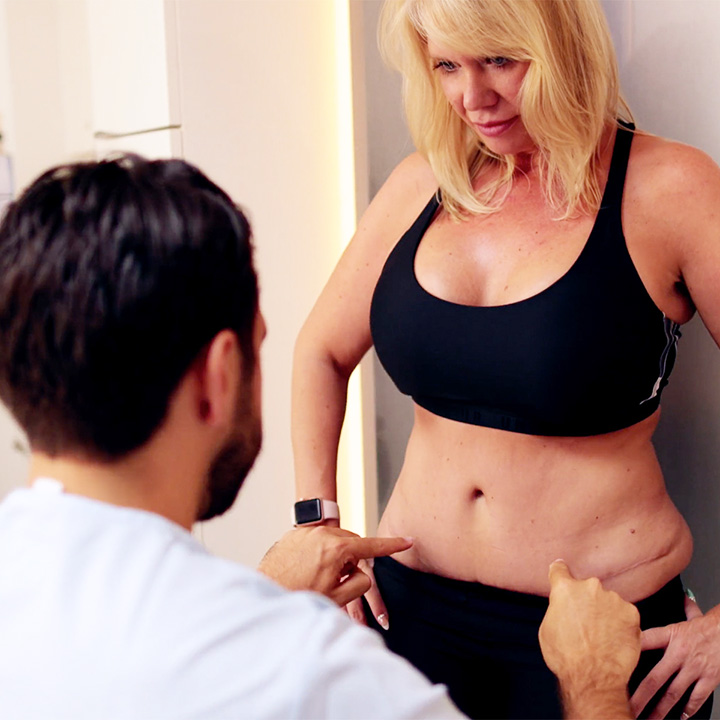
At the Kuzbari Centre we set aside more than an hour for the initial consultation on a rhinoplasty. What happens in that hour always follows the same structure:
The initial consultation is not a sales talk. It is the appointment at which we decide whether an operation makes sense at all – and if so, which one. Many patients go home afterwards with a clear picture and get in touch again weeks later. That, too, is a good outcome.
Matiasek J, Kienzl P, Unger LW, Grill C, Koller R, Turk BR. An intra-individual surgical wound comparison shows that octenidine-based hydrogel wound dressing ameliorates scar appearance following abdominoplasty. Int Wound J. 2018;1-7.
Grill C, Jecel E, Tschabitscher M, Kuzbari R. The pyramidalis muscle as a new choice for free functional muscle transfer – an anatomical study. In: Frey M, Kubiena H, Tzou C, editors: Proceedings of the 6th International Muscle Symposium, 1st ed. 2010 Sep 2-4; Vienna, Austria. ISBN 978-3-200-01937-9
Kuzbari R, Grill C, Hirtler L (2015) The lateral superciliary compartment and ist implications for volume augmentation of the eyebrow. 26th annual meeting EURAPS (European Association of Plastic Surgeons), Edinburgh, United Kingdom
Grill C, Klawatsch C, Sora C, Kuzbari R (2016) Neue Einblicke in die arterielle Blutversorgung des Bauchnabels und deren Bedeutung für Operationen an der vorderen Bauchwand. 54. Jahrestagung der Österreichischen Gesellschaft für Plastische, Ästhetische und Rekonstruktive Chirurgie, Innsbruck

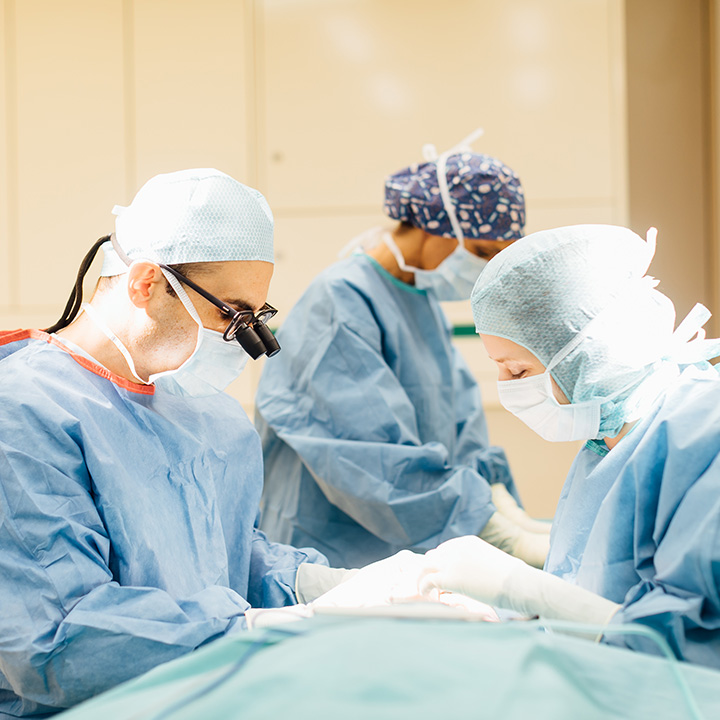
Dr. Christoph Grill takes you through the Kuzbari Centre and shows how an aesthetic nose operation works here.
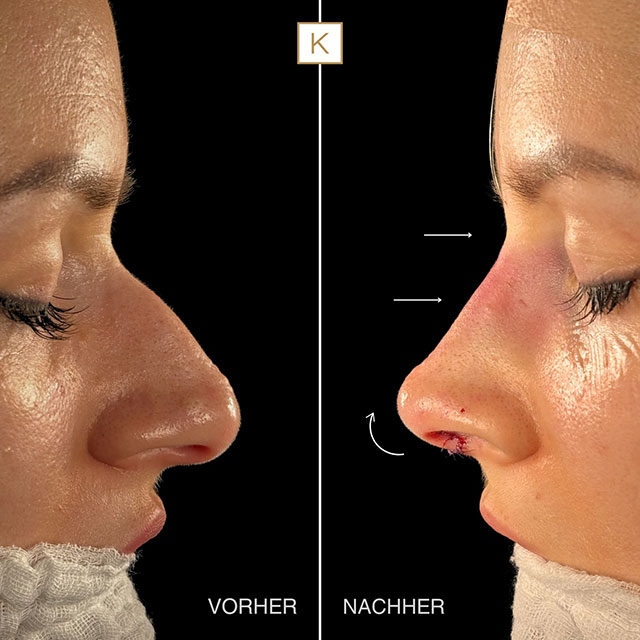
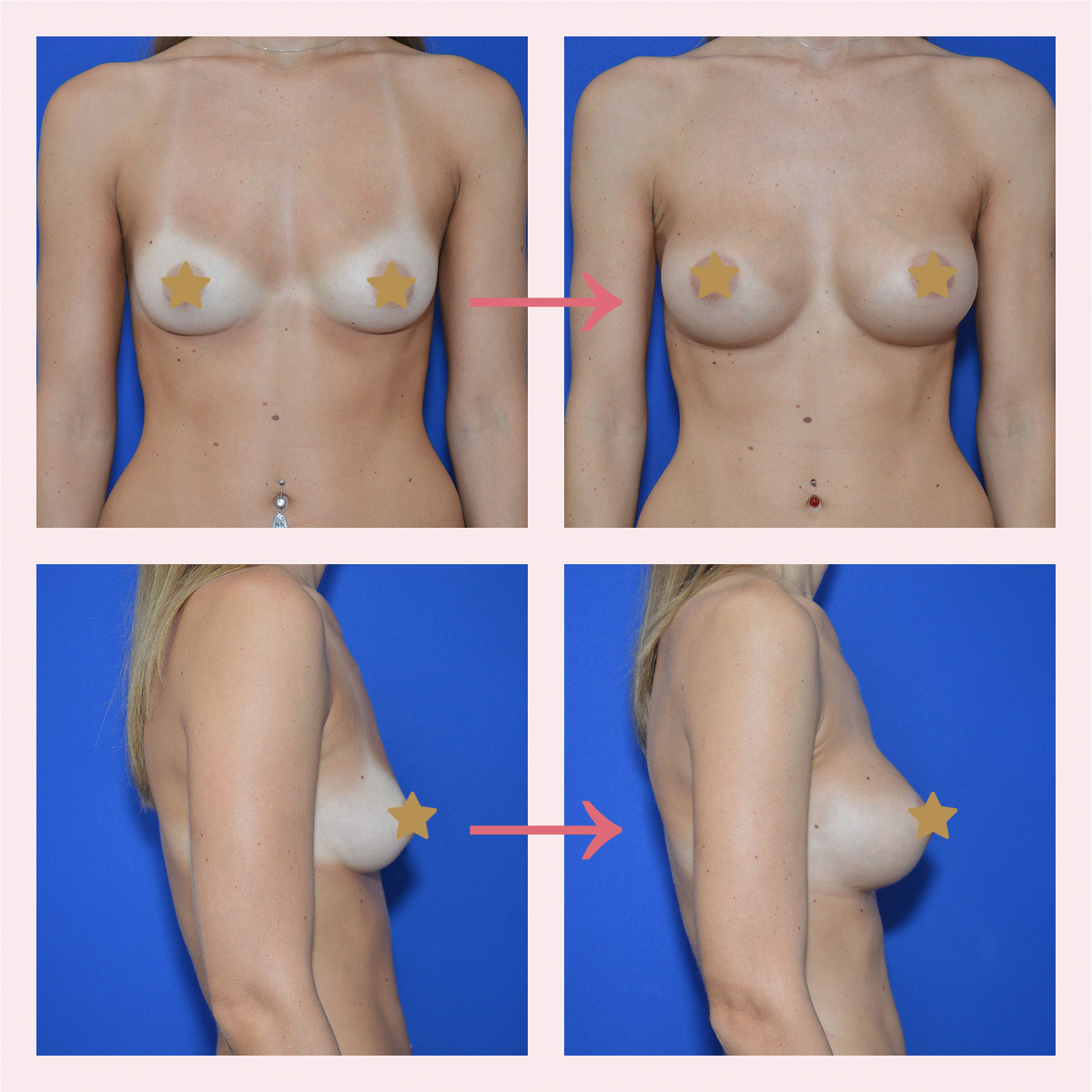
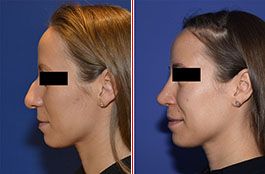
Our before and after archive shows noses from the Kuzbari Centre in every starting situation: humps, crooked noses, broad nasal tips, noses that have been operated on before. In the initial consultation we pick out with you the cases that come closest to your own starting point.
You can arrange an initial consultation for your rhinoplasty by telephone from Monday to Friday between 08:00 and 18:00, or online at any time. The consultation is without obligation.
The nose makes our face unique; after all, it sits right at the centre of it. That is why it is largely responsible for the harmony of the face, and thus for our ideal of beauty.
Our nose is responsible for breathing, among other things, and supports it - but breathing can be obstructed, for example by a deviated nasal septum or by enlarged turbinates.
Many of our patients come to us when they no longer know what to do. When previous operations elsewhere have not gone as they wished or have failed.
You can arrange an initial consultation for your perfect nose by telephone Monday to Friday from 08:00 to 18:00, or at any time through our online appointment booking.
+43 1 358 28 02 » Online appointment booking

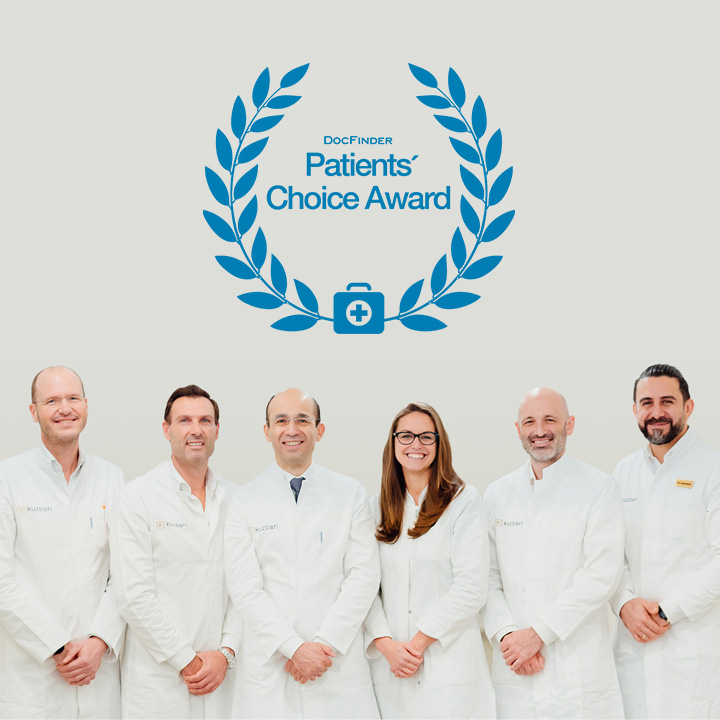
Univ. Doz. Dr. Rafic Kuzbari, Dr. Christoph Grill and DDr. Jessica Wittmann, together with the other doctors of the Kuzbari Centre for Aesthetic Medicine, appear regularly in the leading newspapers, magazines, television and radio stations in Austria.


We ask for your consent to cookies. Marketing cookies are only used once you have given your consent; our website carries no advertising.