









All about rhinoplasty with the top specialists at the Kuzbari Centre Vienna
A rhinoplasty is not a spur-of-the-moment decision. This page sets out what you should know beforehand: which corrections are possible, how the day at the Kuzbari Centre unfolds, how long healing takes, what the procedure costs and who performs it.
- Initial consultation incl. 3D simulation
- State-of-the-art operating suite
- Everything under one roof
- 360° nasal surgery centre
- 2,000+Nasal operations
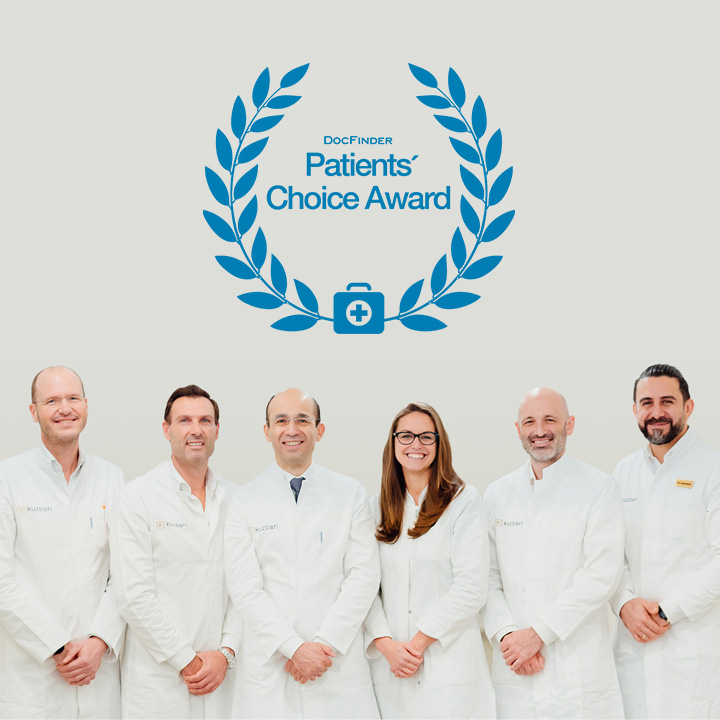
- 3Nasal surgery specialists
- 11Times in a row Patients’ Choice Award
- 38DocFinder awards in total
What a rhinoplasty can change
The nose sits at the centre of the face and helps determine how the face works as a whole. It is also the organ you breathe through. The two are connected: anyone who alters the outer shape works on the bony and cartilaginous framework that keeps the airways open. That is why every rhinoplasty here begins by examining both – form and function – even when it is only the shape that bothers you.
What is possible depends on your anatomy: on the proportions of your face, on the supporting framework of the nose and on the thickness of your nasal skin. Thin skin follows fine contours, thicker skin is less forgiving of detail. We address these limits in the initial consultation, before you decide.
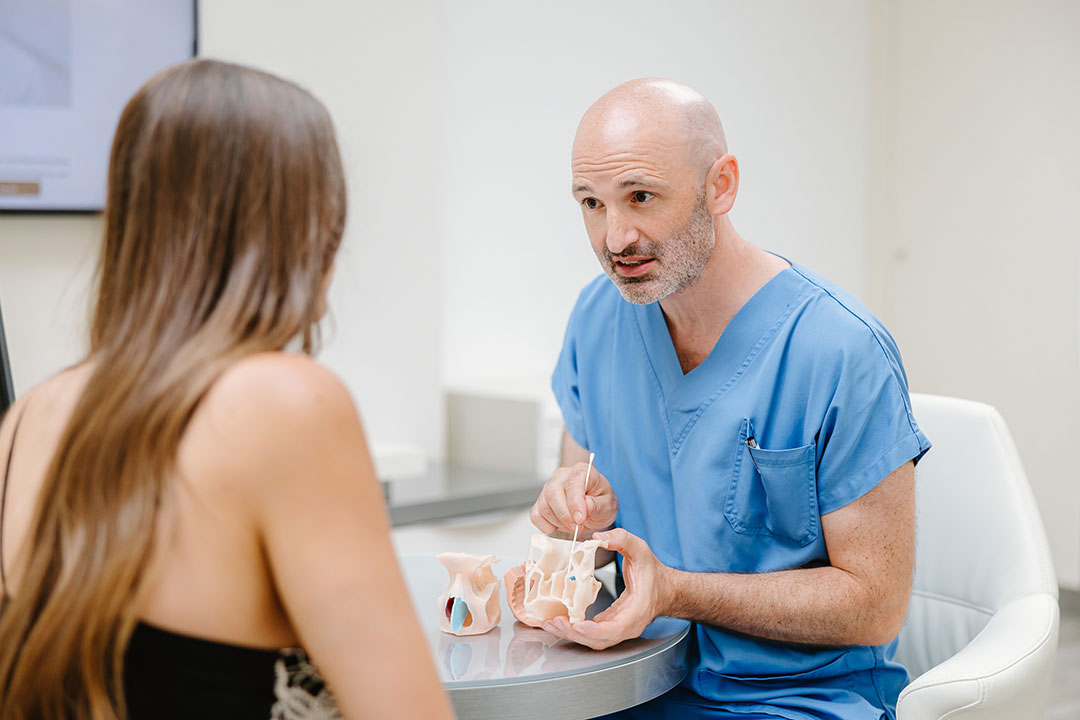
Understand first, then plan
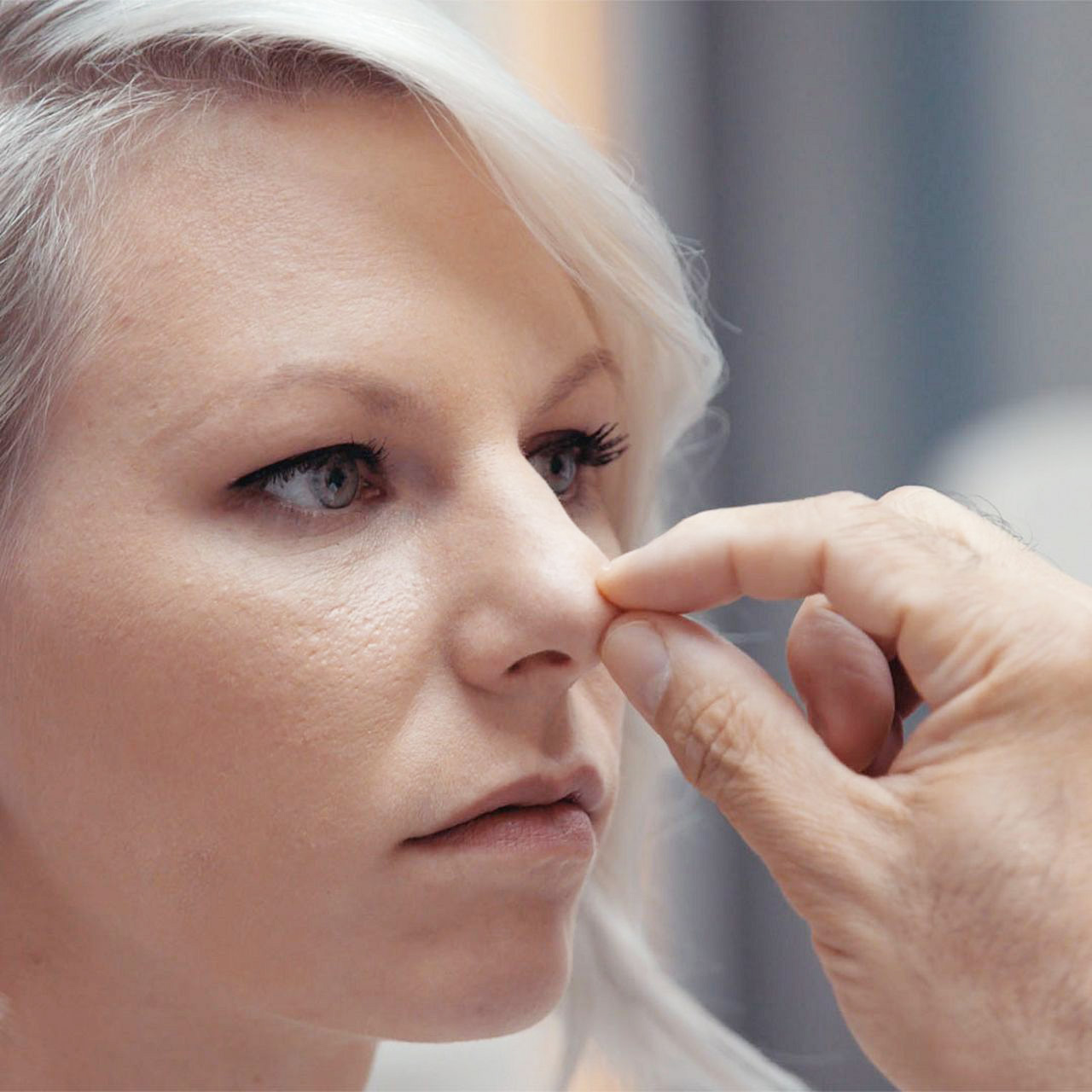
Before we talk about a shape, we establish how your nose is built and how it works. A model makes it possible to show which structures matter for your case – and why a change in one place brings a change in another.
| Your concern | What is worked on | |
|---|---|---|
| A hump on the bridge of the nose | Bone and cartilage of the nasal dorsum, in small controlled steps. Often using a dorsal preservation technique. | Hump correction |
| A broad or drooping nasal tip | The tip cartilages; if the tip drops mainly when you smile, a small muscle at the columella can be divided. | Tip correction |
| Widely flared nostrils | The alae, through incisions at their base. | Alar correction |
| A nose that looks too large for the face | The nasal root, the tip and the septum, usually in combination. | Nose reduction |
At a glance
- ConsultationOver an hour
- AnaestheticSafe anaesthesia
- Duration of surgery1 to 4 hours
- StayOne night at the Kuzbari Centre
- PackingNot necessary
- SplintAround 10 days
- Fit for workAfter 3 to 7 days
- Back in companyAfter 1 to 3 weeks
- SportAfter 4 to 6 weeks
- Final resultAfter 6 to 12 months
Guide values for a rhinoplasty at the Kuzbari Centre. What applies to you depends on the extent of your procedure and is settled once you have been examined.
The procedure, step by step
Consultation, simulation, preparation, surgery, inpatient care and aftercare all take place in the same building. From your first question to your last check-up you stay with the same people.
- Initial consultation
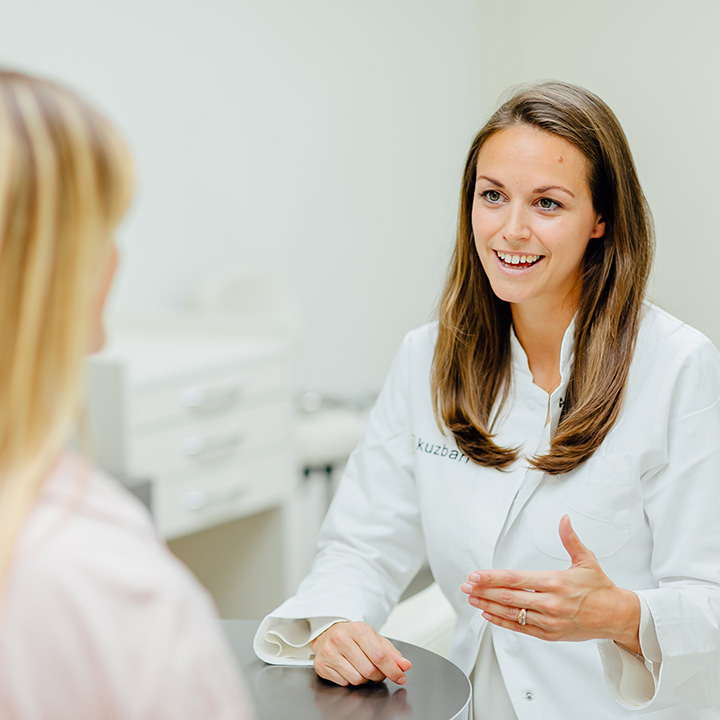
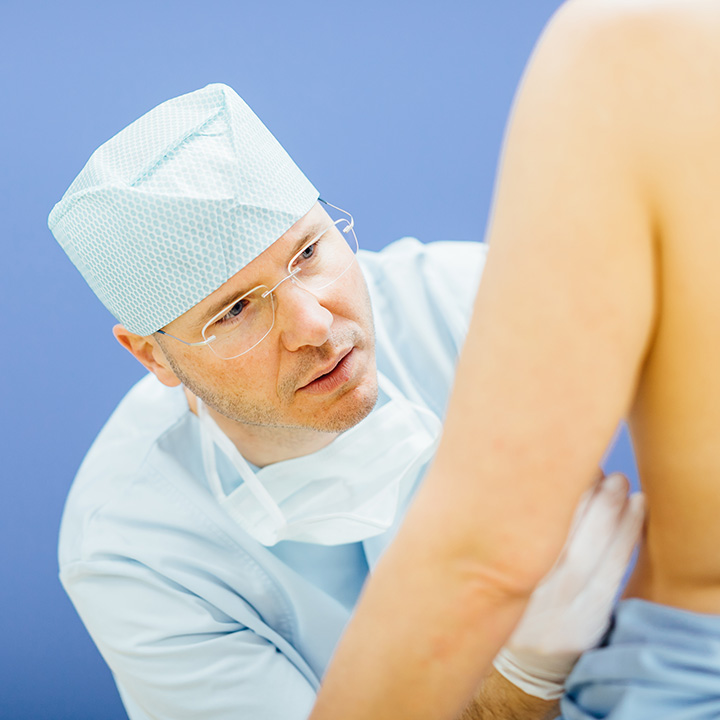
We listen, examine the nose from the outside and the inside, check nasal breathing and assess the dorsum, the tip, the septum and the thickness of the skin. Afterwards you know what is possible in your case and what is not. The conversation carries no obligation; nobody is pushed towards surgery.
- 3D simulation
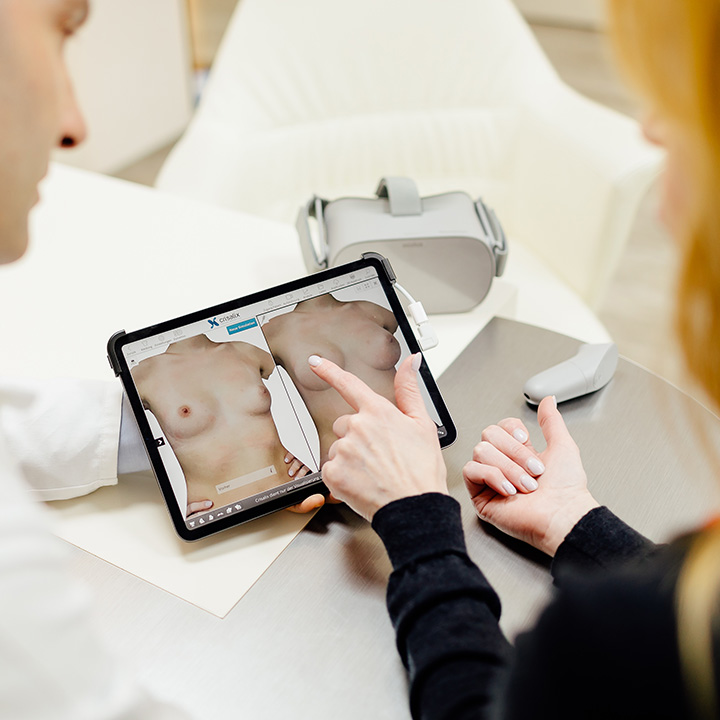
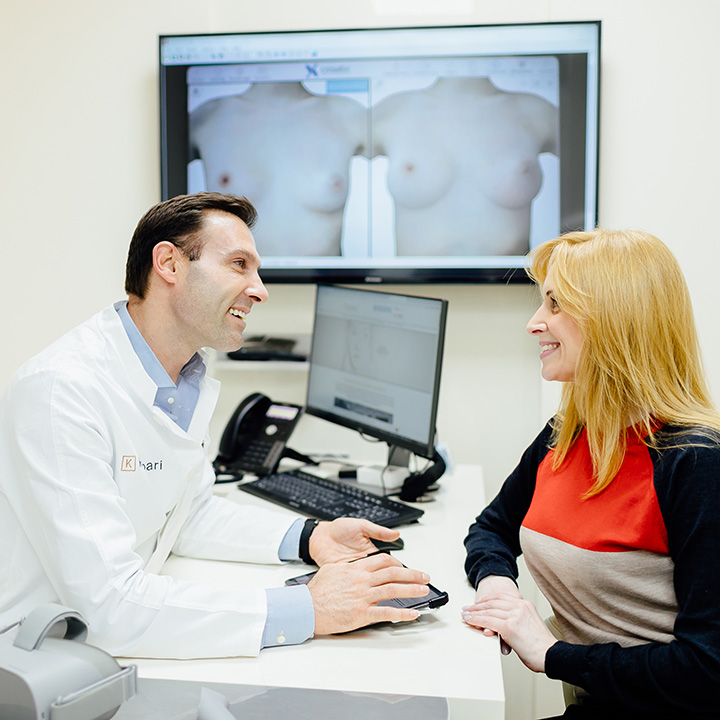
Vectra 3D technology scans your face from above, from below and from both sides. On the resulting model we shape the changes you have in mind. What you see is a preview within the limits of your anatomy, not a promise.
- Planning and preparation
The informed-consent discussion, medical history and laboratory values, the anaesthetic work-up at our pre-anaesthesia clinic on site, the medication that has to be stopped, and the planning of your recovery time.
- The operation
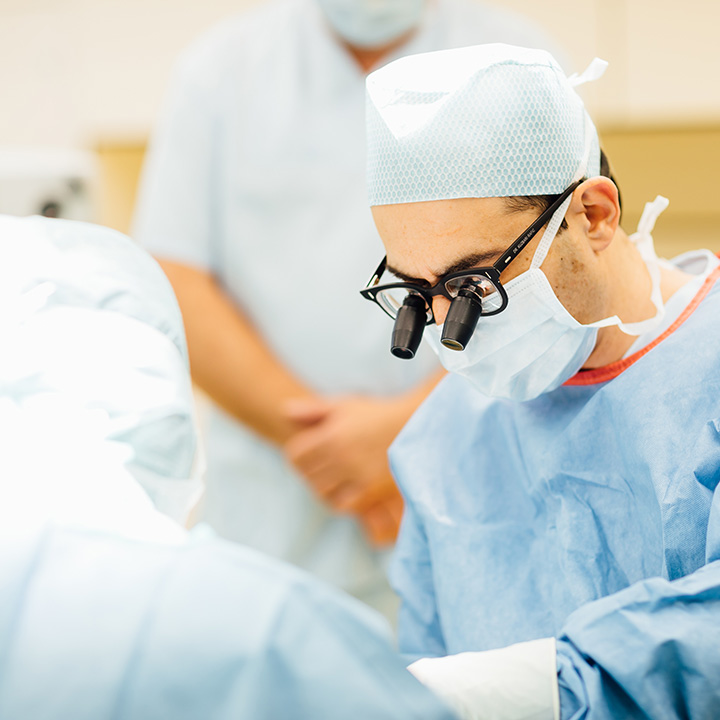
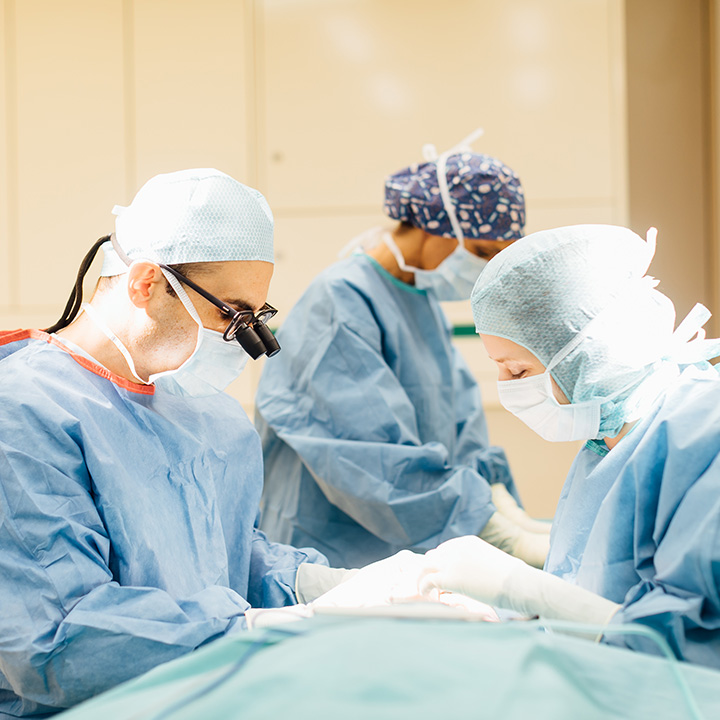
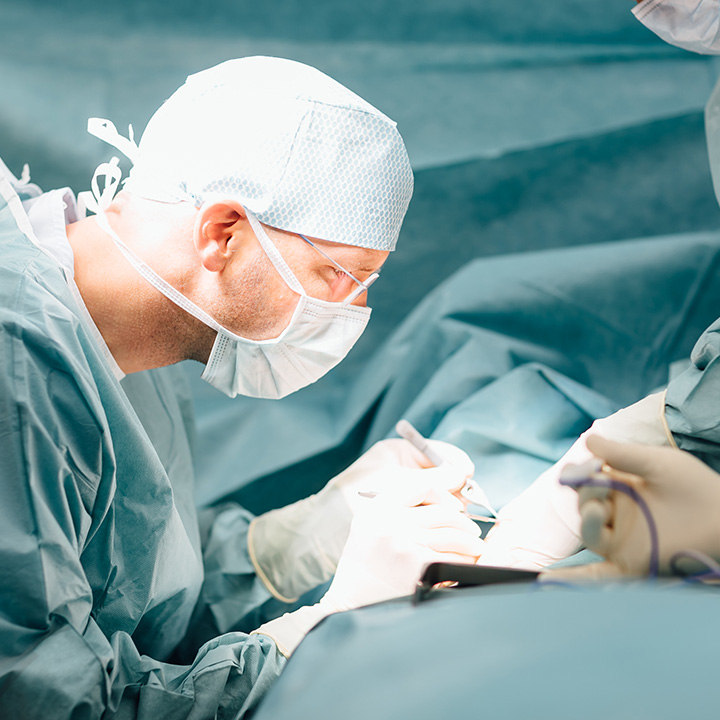
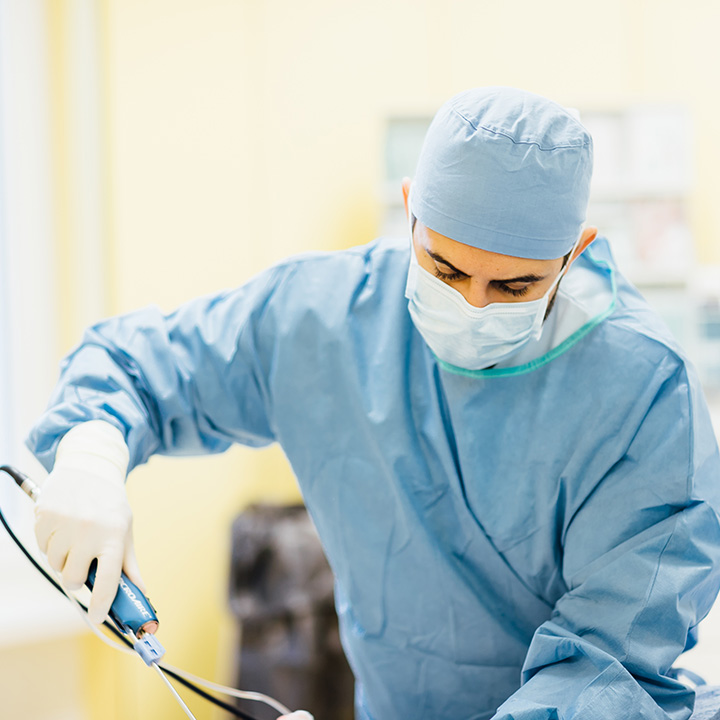
Before the procedure your surgeon and the anaesthetist come to your room. Surgery takes place in the centre’s own operating theatres, under general anaesthetic. Depending on the extent, the operation takes one to four hours. Because the operating theatres are ours, we operate without time pressure – for as long as it takes for the result to be right. Where the bone has to be worked on, the piezotome is used.
- Inpatient on site
After the recovery room you spend one night in a room of your own. Nursing staff are there around the clock.
- Review and discharge
An examination and a review of how the operation went, in your room. You can leave the Kuzbari Centre before 10 a.m. For the hours outside consulting times you are given your surgeon’s number.
- Healing and check-ups
The splint or the dressing stays on for around ten days. Swelling increases over the first three days and then subsides. After one to three weeks you are comfortable in company again, after four to six weeks sport is possible once more. The fine shape emerges over months; the final result shows itself after six to twelve months. All check-up appointments are included.
 Step 1
The initial consultation goes through what is possible, point by point. 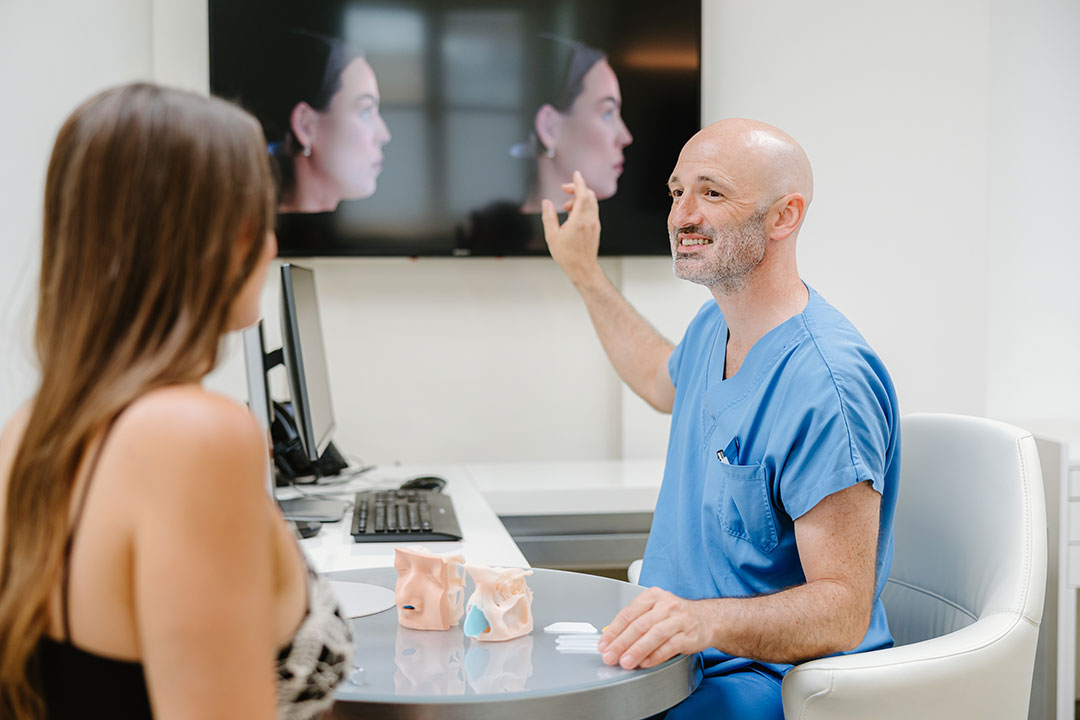 Step 2
The 3D simulation turns words into a picture you can talk about. 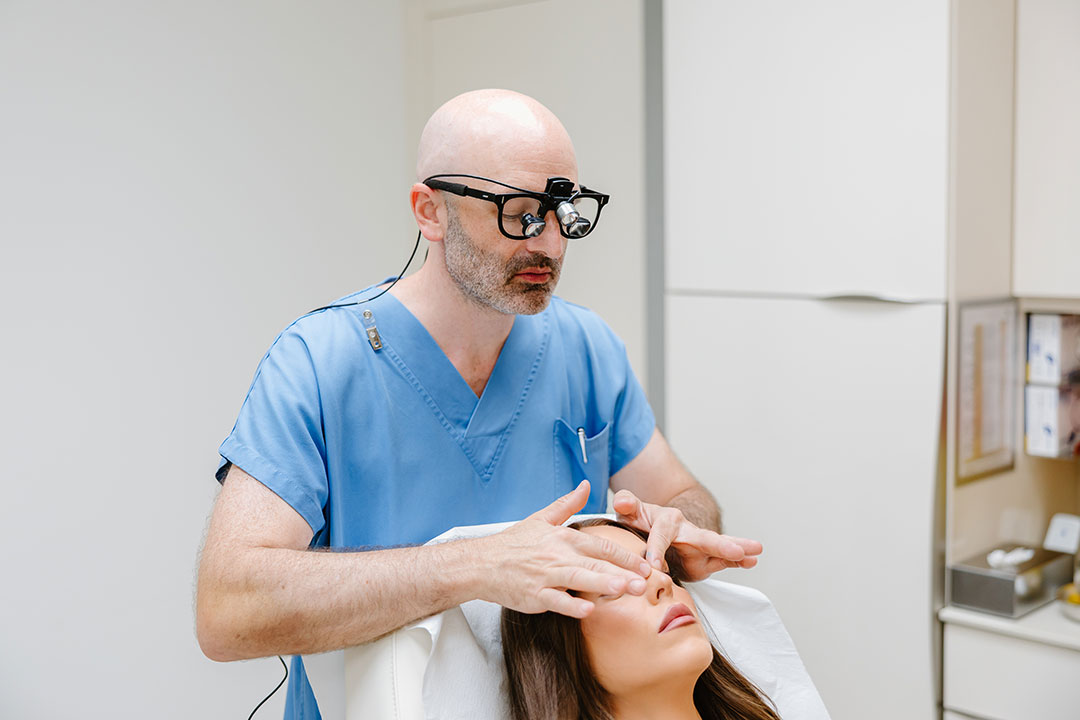 Step 3
Before surgery the nose is measured once more, in detail.
« Swipe to browse
The piezotome: ultrasound instead of a chisel
Whenever the bony part of the nose has to be altered during a rhinoplasty, we work with a piezotome. This is an ultrasound instrument that cuts and smooths bone while leaving the soft tissue, the mucous membrane and the blood vessels untouched – classically this step is carried out with a chisel and a saw. For patients it means more precise work on the bone and, as a rule, fewer bruises and less swelling in the days that follow.
An honest classification matters to us: the piezotome is not a method of rhinoplasty in its own right and it does not automatically make a nasal operation better. It is a tool for one step of the procedure. What remains decisive is the planning and the experience of the surgeon. We use the piezotome as standard in every nasal operation; Univ. Doz. Dr. Rafic Kuzbari has been doing so for years.
A rhinoplasty from beginning to end
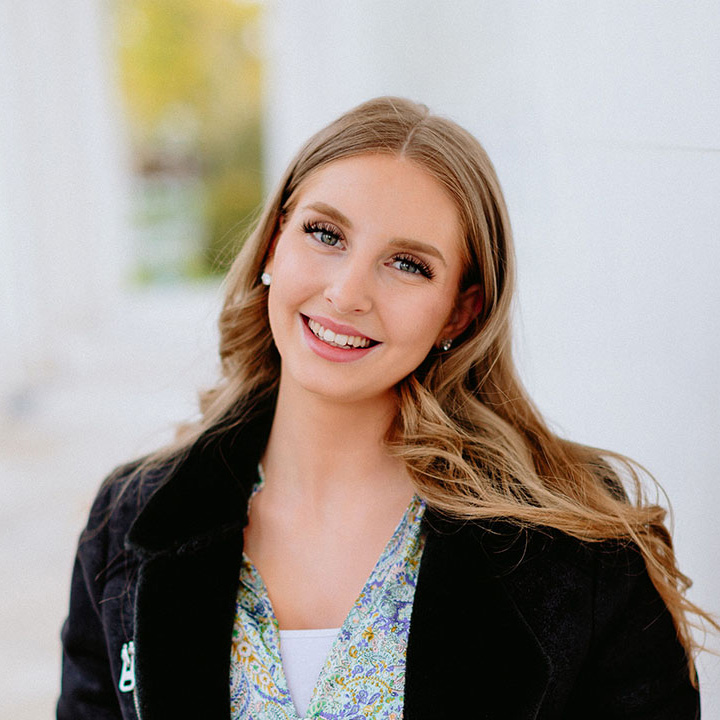
Dr. Christoph Grill accompanies his patient Chiara from the consultation through the operation and into the time that follows.
Results
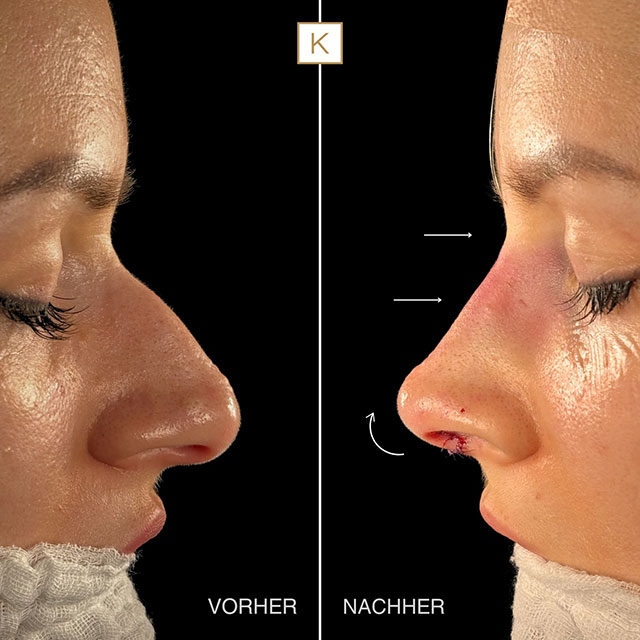
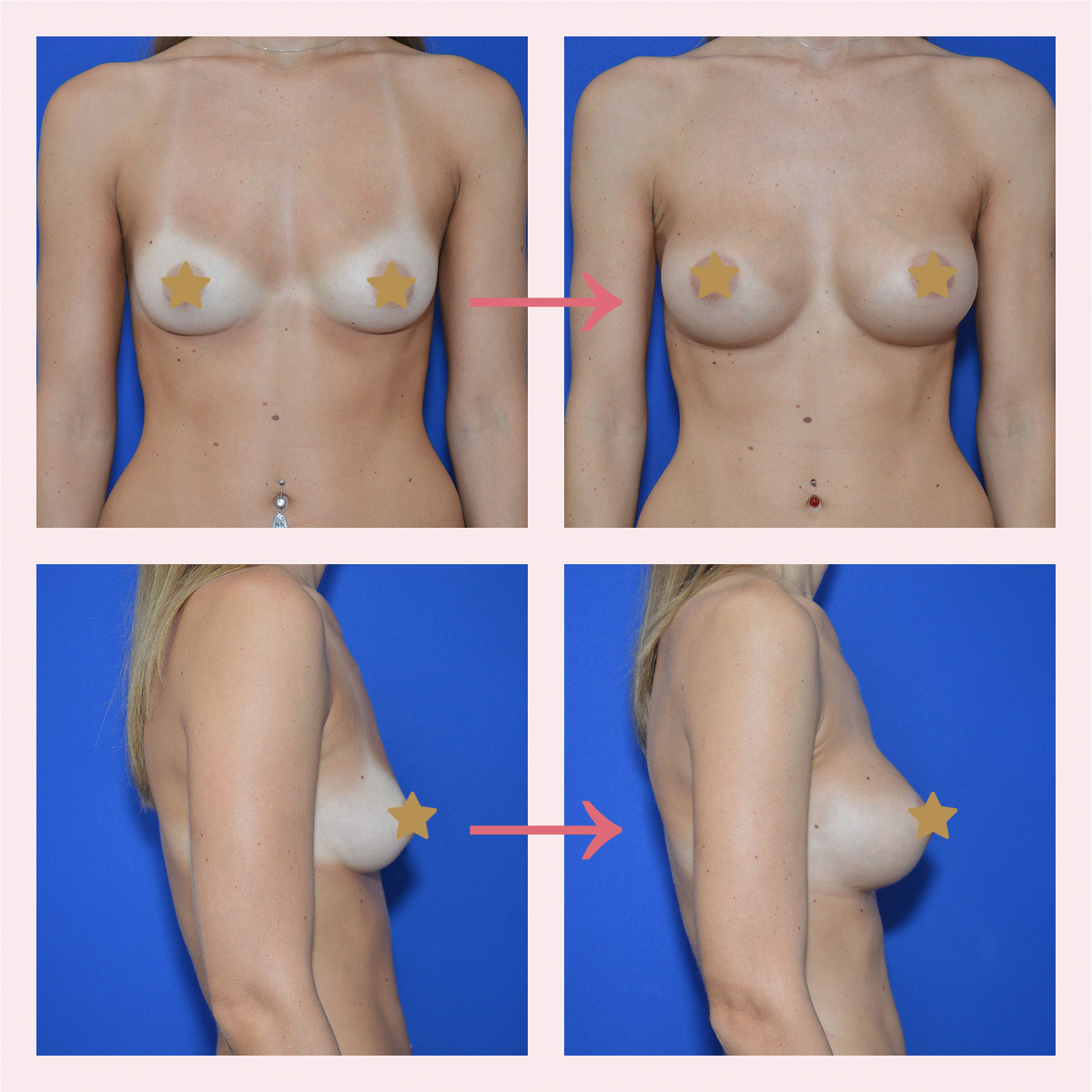
Before-and-after photographs show what was possible from one particular starting point. They do not show what is possible for you – that takes an examination. In the initial consultation we pick out cases whose starting point resembles yours.

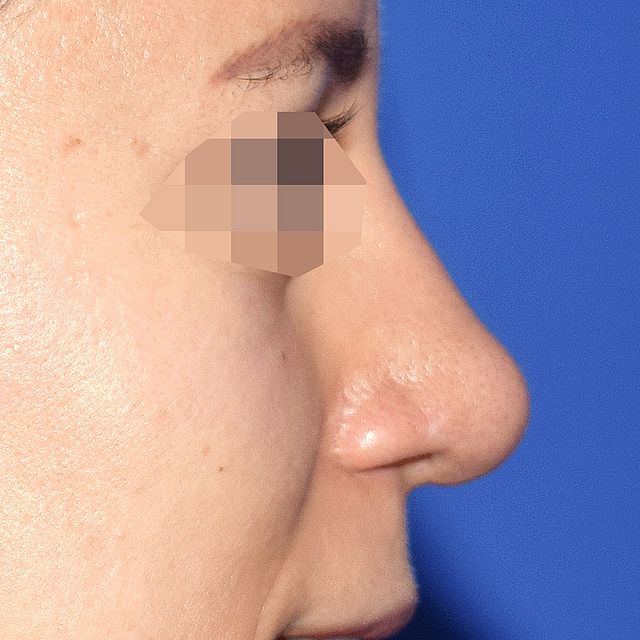
Drag the slider to compare before and after.
- Age
- 30 years
- View
- Profile
- Anaesthetic
- General anaesthetic
Photographs of patients who have consented to publication. Every nose heals differently; a result shown here cannot be transferred to anyone else.
I am very grateful to Dr. Grill, he has changed my life. I am very happy and content.
Who operates on the nose at the Kuzbari Centre
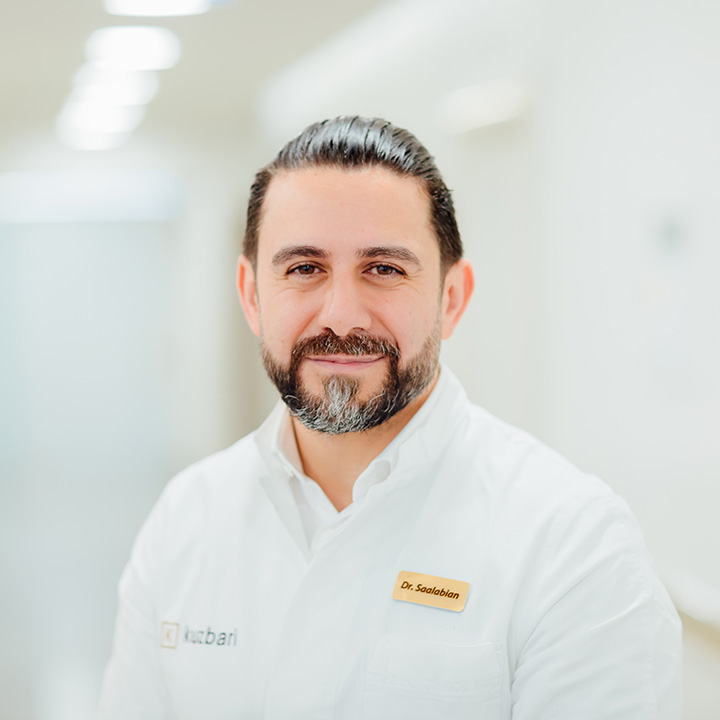
Three of the centre’s specialists operate on noses. Whoever advises you also operates on you – and sees you again at the check-ups.
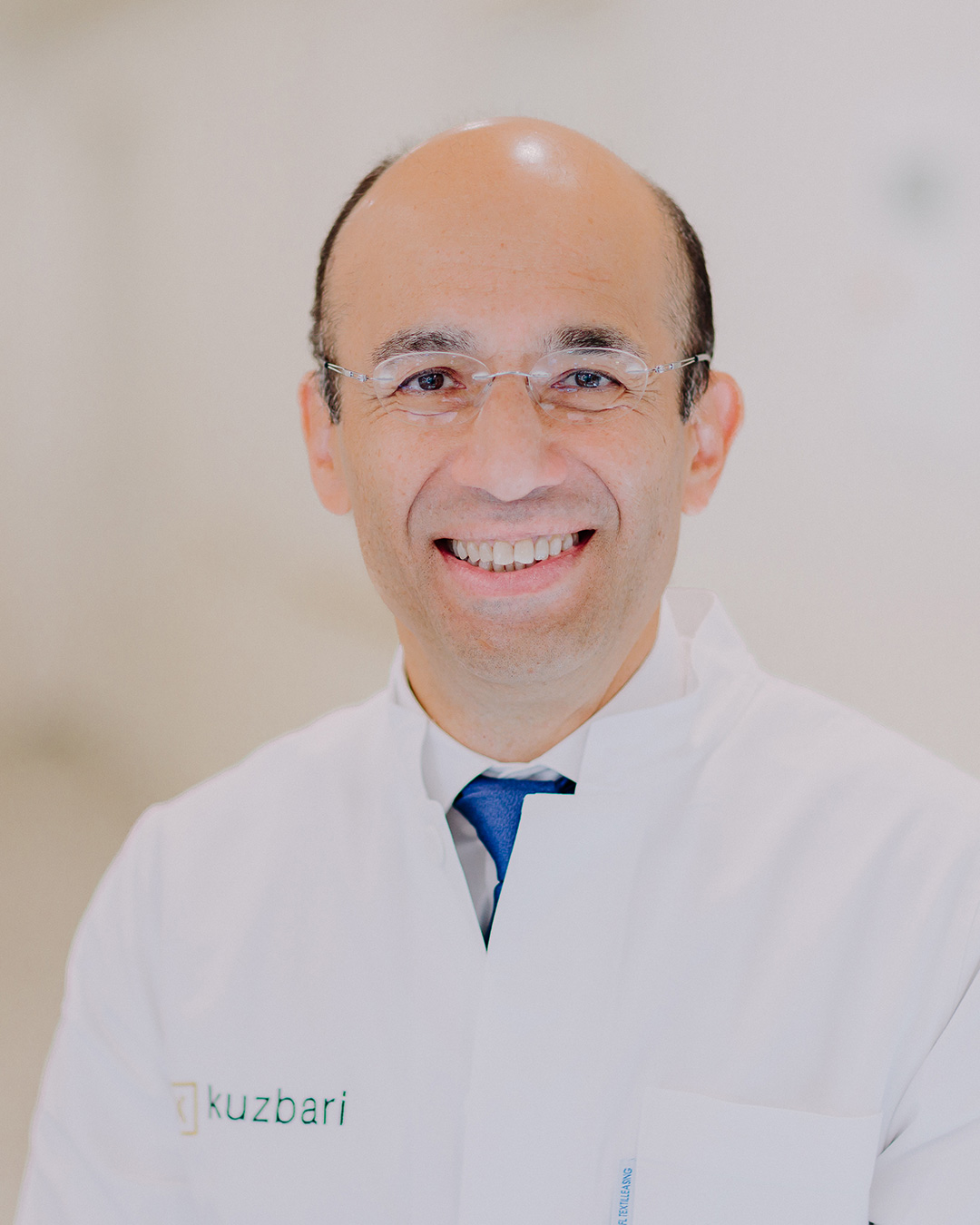
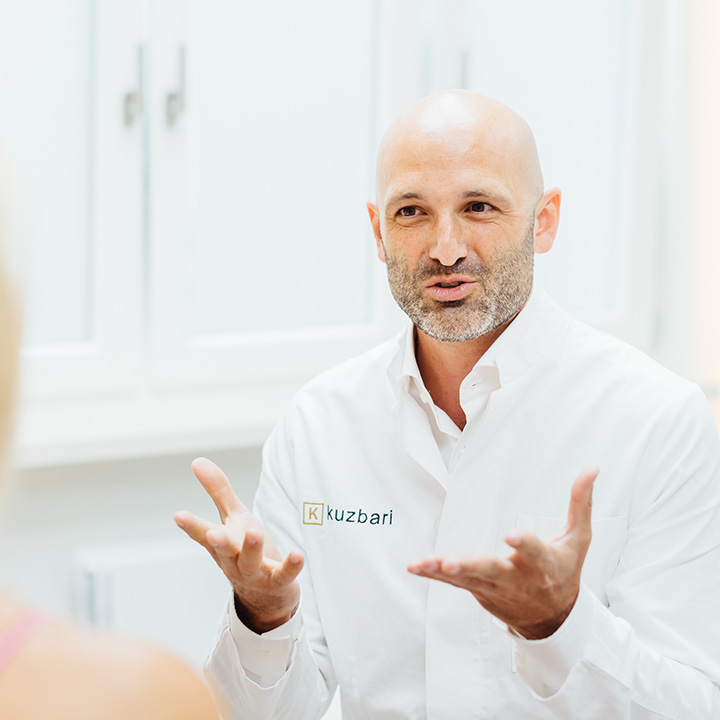
Founder of the Kuzbari Centre. He also takes on difficult revision cases and has worked with the piezotome for years.
View profile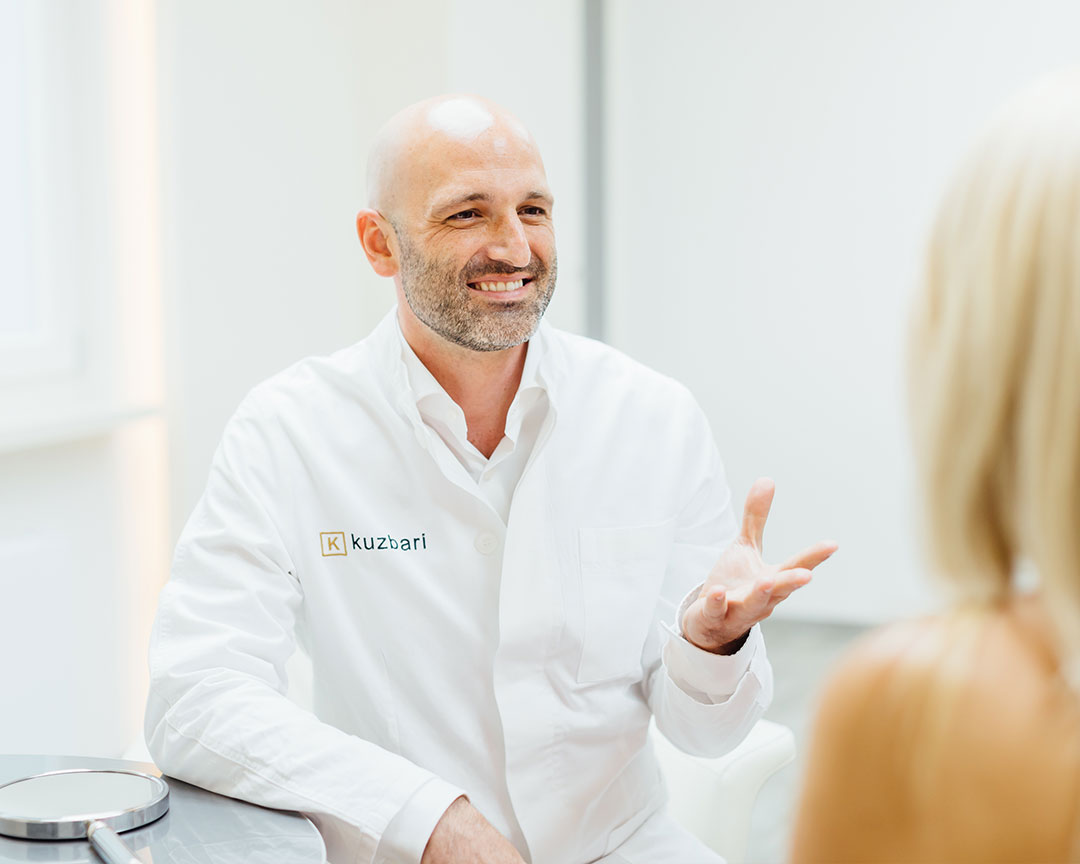
Focused on facial and nasal surgery, and a repeated award winner of the Austrian Society for Aesthetic Surgery.
View profile
She works exclusively on the face and, where the findings allow, with the dorsal preservation technique.
View profile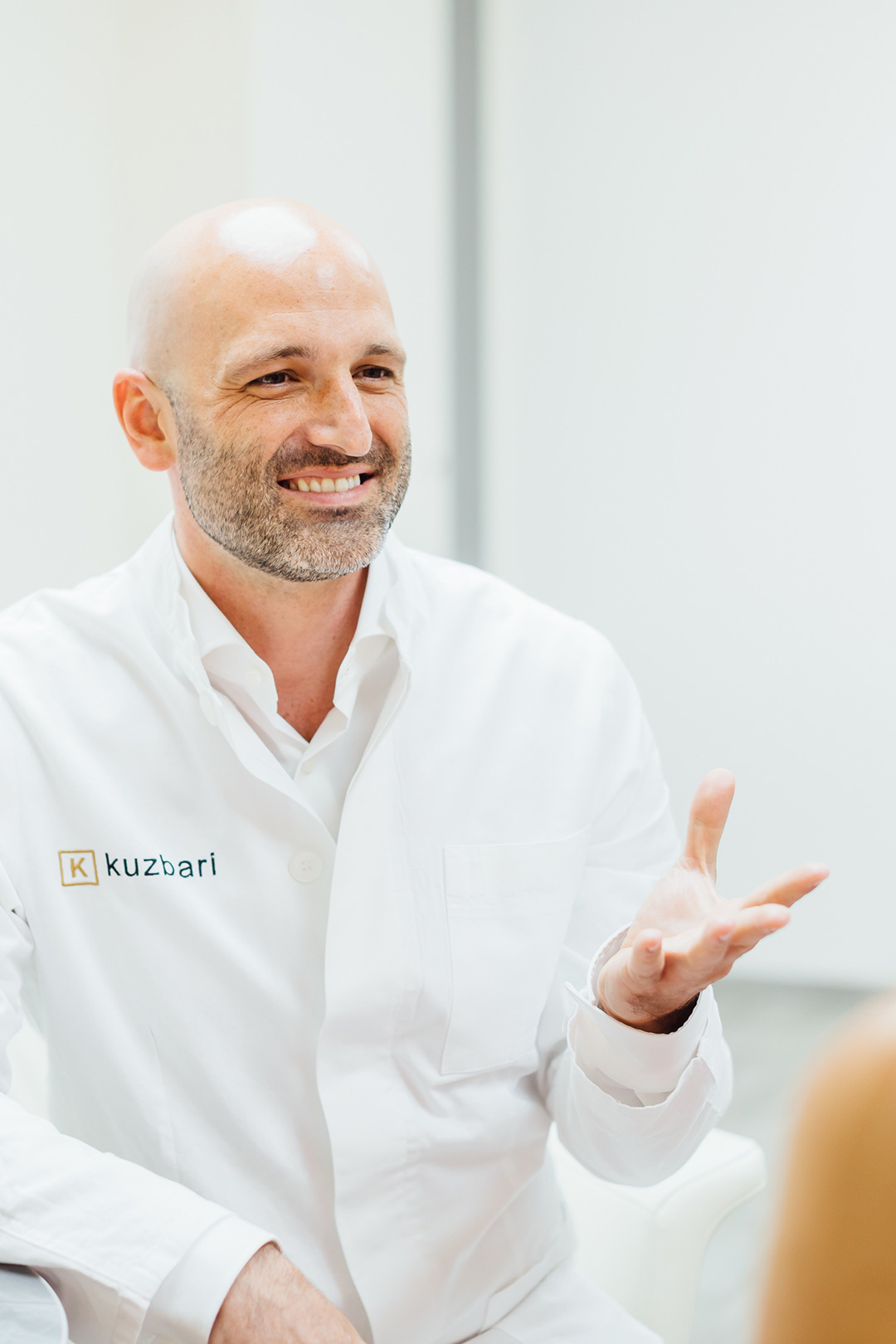
Since the human face is not a piece of wood to be whittled into shape, the result naturally does not turn out exactly as the computer simulation shows it.
How to prepare
Between your decision and the day of surgery lies the preparation. It takes little time, but it is the part that makes the day of the operation a calm one.
- Your medical history and laboratory values are taken before the procedure; we arrange that appointment with you.
- Which medication you stop beforehand is settled in the informed-consent discussion.
- The anaesthetic work-up runs through the pre-anaesthesia clinic on site.
- Plan for one to three weeks in which you can keep things quiet.
- Expect not to breathe freely through your nose for a few weeks.
Costs and instalments
The price follows the effort involved. A first operation is the more straightforward case. A nose that has already been operated on costs more: scars, altered tissue and missing cartilage make the work more demanding, and a graft from the ear or a rib is often required.
- Initial consultation and 3D simulationincluded
- Surgery, anaesthesia and assisting teamincluded
- Overnight stay and cateringincluded
- All check-up appointmentsincluded
The costs can be spread over up to five years through Kuzbari Finance. You receive the binding terms with your application.
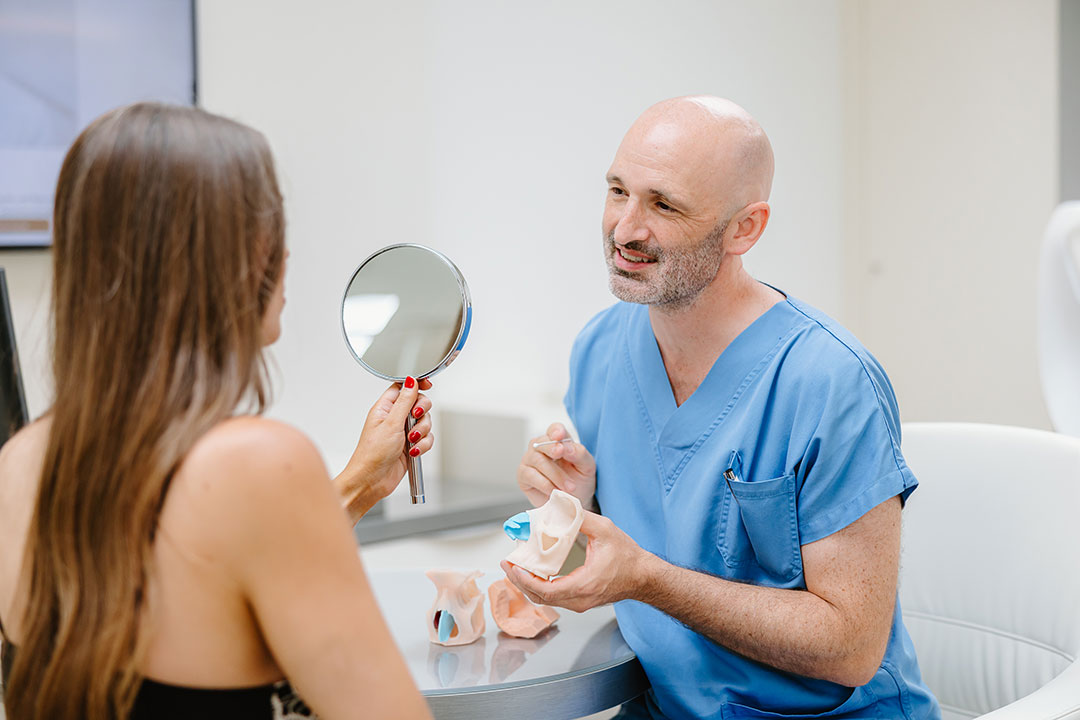
At the anatomical model 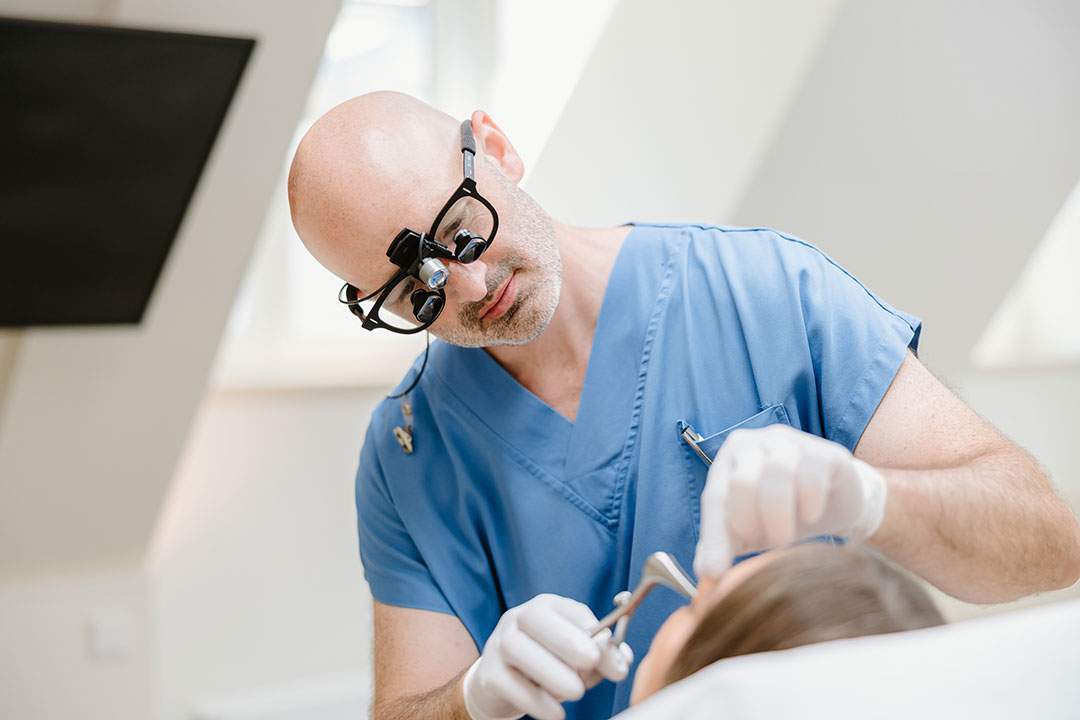
Checking nasal breathing 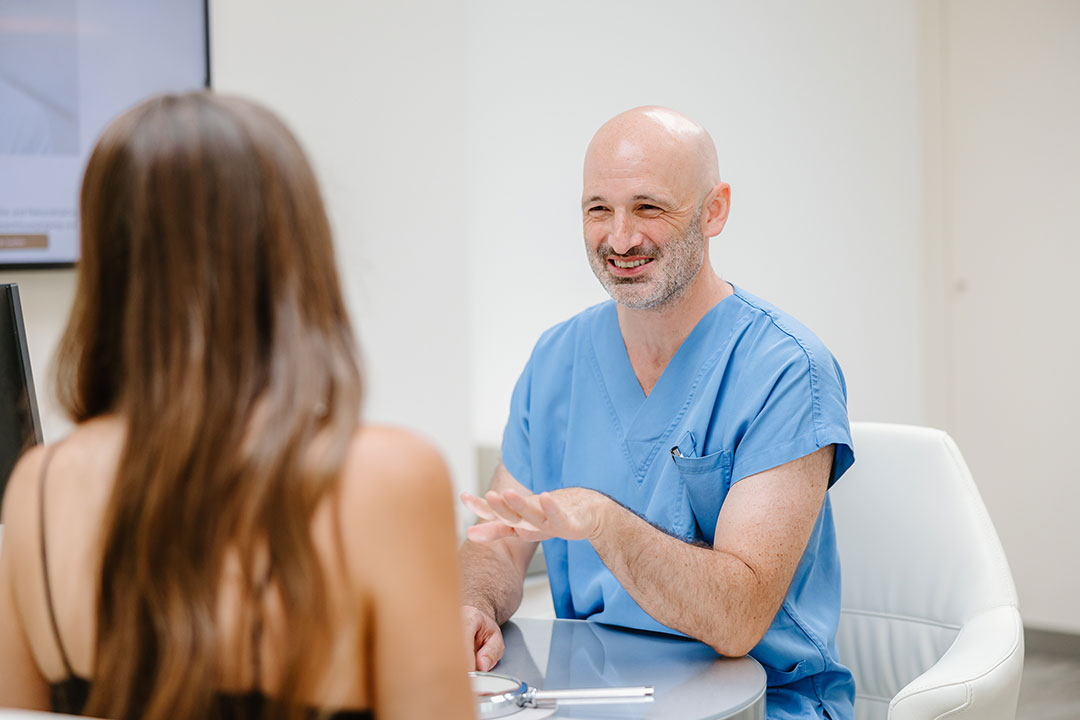
The follow-up conversation
Frequently asked questions
How long does a rhinoplasty take?
One to four hours, depending on the extent. Correcting the tip of the nose takes less time than correcting a nose that has been operated on before and in which cartilage has to be replaced. Because the operating theatres are ours, we operate without time pressure – for as long as it takes for the result to be right. How long your operation will take is something we tell you after the examination.
Will scars remain?
With the closed technique all incisions lie inside the nose. With the open technique a small incision at the columella is added; the scar it leaves is barely visible later. Which technique makes sense depends on the findings.
Do I need nasal packing?
No. At the Kuzbari Centre nasal packing is not necessary. After surgery you wear a nasal splint or a nasal dressing for around ten days.
When am I comfortable in company again?
After one to three weeks. Swelling and discolouration of the eyelids increase over the first three days and then subside. From a medical point of view most people are fit for work after three to seven days.
When can I do sport again?
After four to six weeks. Exactly when is something we discuss at the check-up.
When will I see the final result?
The nose keeps changing over months. The final result shows itself after six to twelve months. All check-up appointments up to that point are included in the price.
What is a piezotome?
An ultrasound instrument that cuts and smooths bone without injuring soft tissue, mucous membrane or blood vessels. It is not a method of rhinoplasty in its own right but a tool for one step of the procedure. We use it as standard in every nasal operation.
Does a rhinoplasty also improve breathing?
Frequently, yes. A deviated septum, enlarged turbinates or collapsing nasal valves can be treated in the same procedure. Whether such a cause applies to you is shown by the examination from the inside.
From what age is a rhinoplasty possible?
It requires that nasal growth is complete. Good general health and a realistic expectation of the result are equally important.
Is it possible without surgery?
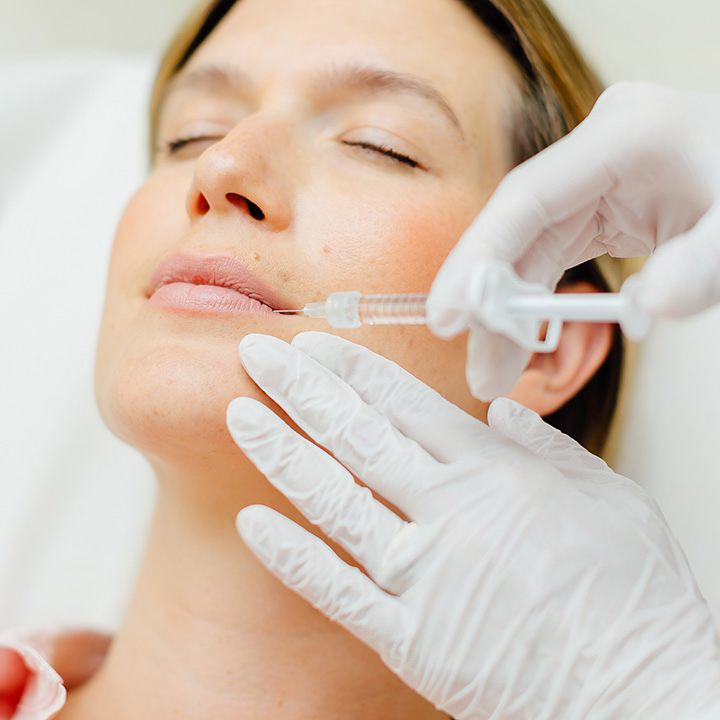
For very small irregularities a treatment with fillers may be considered in selected cases. It lasts only for a limited time and is not suitable for structural changes or complex corrections of shape.
Your consultation
Over an hour of time, an examination from the outside and the inside, a 3D simulation and an honest assessment of what is possible – without obligation.
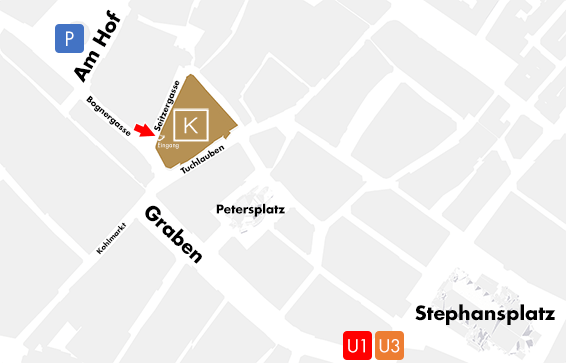
Monday to Friday, 08:00 to 18:00 · Seitzergasse 2-4, 1010 Vienna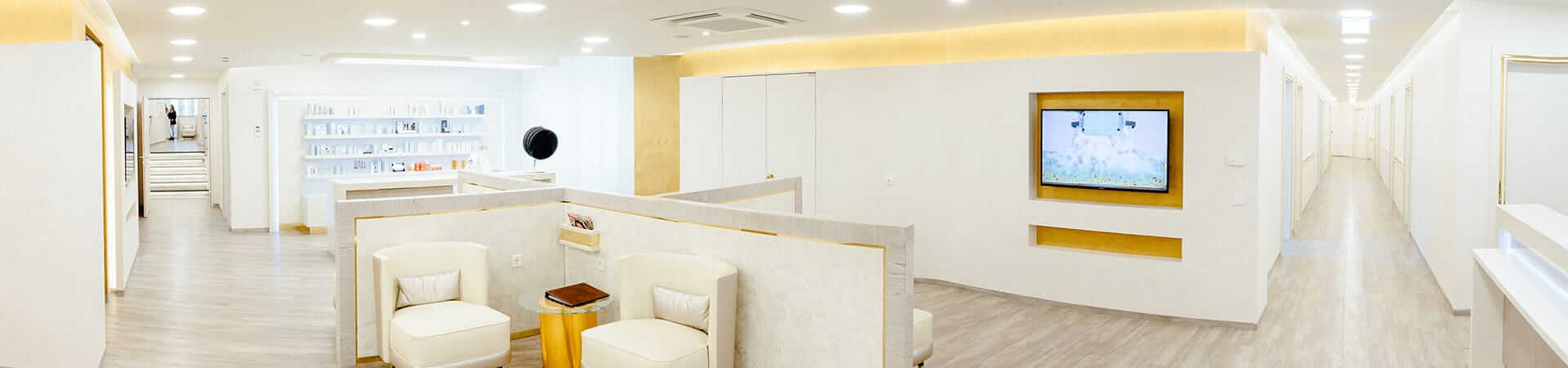


 01 358 28 01
 Book now