











Aesthetic rhinoplasty
The nose makes our face unique. It sits at its centre and helps decide how the face works as a whole. An aesthetic rhinoplasty therefore never changes just one detail, but always the interplay: nasal bridge, nasal tip, nostrils and profile have to match one another — and match your face.
- 3D simulation from three perspectives
- Operation 1 to 4 hours
- Our own operating theatres
- Three nasal surgery specialists
- 2,000+Nasal operations
- 3Nasal surgery specialists
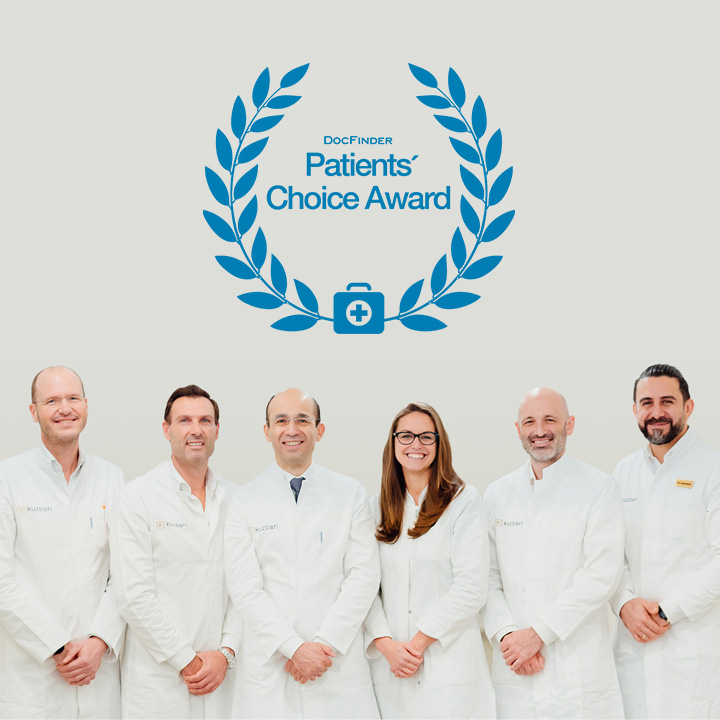
- 11Times in a row Patients’ Choice Award
- 38DocFinder awards in total
Simply reshaping the nose — a pure hump reduction, for instance — is therefore usually not enough to achieve a genuinely beautiful result. The nose should be adapted harmoniously to your individual facial proportions while still looking natural. So that there are no misunderstandings between surgeon and patient, you can view the intended result in advance: with the Vectra 3D simulator.
With a rhinoplasty there is one thing above all that must not be forgotten: even with purely aesthetic corrections, the inside of the nose and its function have to be taken into account so that the procedure does not leave behind any unwanted obstruction of breathing. That is why we examine the nose from the inside at every initial consultation — even if you come to us with a purely aesthetic wish.
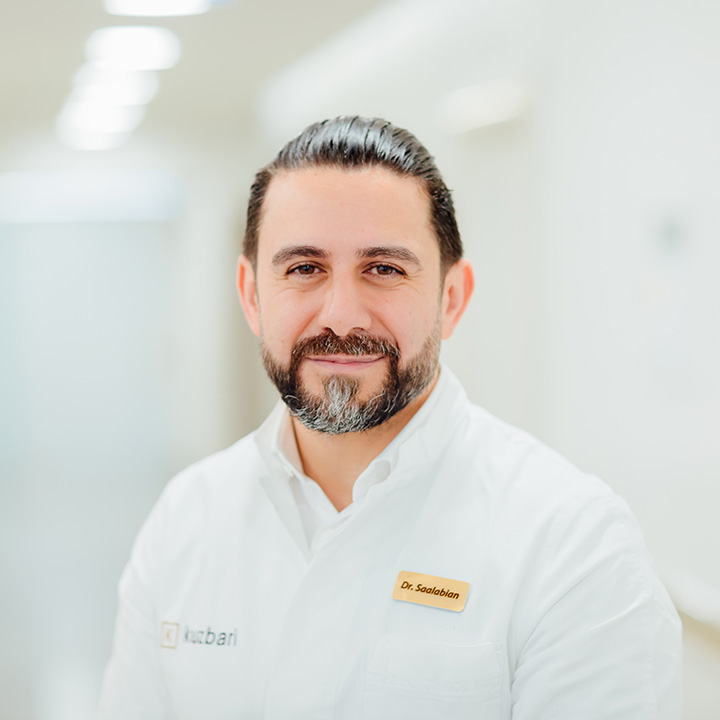
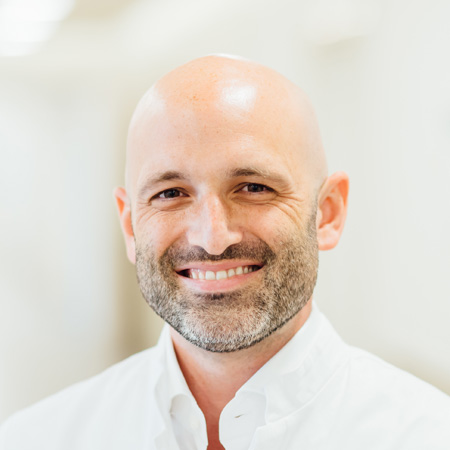
The Kuzbari experts for this service:


What “aesthetic” means to us
To us, aesthetic does not mean “visibly altered” but “coherent”. A nose you can tell has been operated on is rarely a good nose. Our benchmark is therefore the face it sits in: forehead, eye spacing, cheeks, chin and lips determine which length, width and projection of the nose suit you.
That is why we plan every nose individually. There is no standard profile here that is laid over every face, and no shape we recommend to you because it happens to be in demand.
From problem to showpiece: the most common concerns
The Kuzbari Centre for Aesthetic Medicine is one of the largest points of contact for nasal surgery in Austria. The following concerns are the ones our patients bring with them most often — and this is how we deal with each of them.
Why form and function cannot be separated
The nose is a facial feature and an airway at the same time. Anyone who changes the outer form is working on the very bony and cartilaginous framework that keeps the airways open. Narrowing a nose means narrowing the air passage; lifting a tip means changing the angle at which the air enters the nose. That is why we check nasal breathing before every aesthetic correction — with the nasal speculum, side by side and under exertion.
If it turns out that breathing was already restricted beforehand, we say so openly. The cause can frequently be treated in the same procedure without the operation taking substantially longer. In that case we tell you before the operation what this means for its scope and for your written cost estimate.
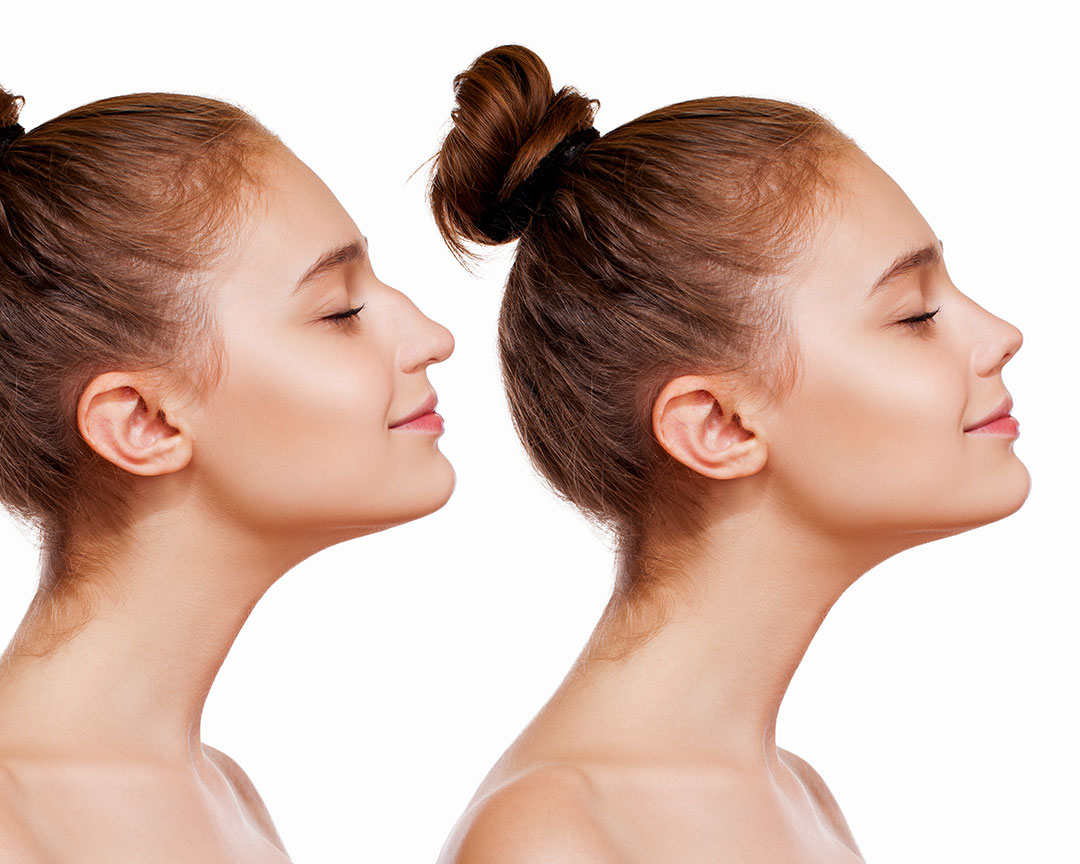
Aesthetic rhinoplasty at a glance
- Initial consultationOver an hour
- Duration of the operation1 to 4 hours
- AnaesthesiaGeneral anaesthesia
- StayOne night as an inpatient
- Nasal packingNot necessary
- SplintAround 10 days
- Fit for workAfter 3 to 7 days
- Fit to socialiseAfter 1 to 3 weeks
- SportAfter 4 to 6 weeks
- Final resultAfter 6 to 12 months
Guide values for an aesthetic rhinoplasty at the Kuzbari Centre. What applies to you depends on the scope of your procedure and is established after the examination.
How we work technically
A great deal is said about the results of rhinoplasty and very little about the way there. Yet it is precisely the technique that decides whether a result still looks the same after ten years as it did after ten months. Three things shape our work on the nose.
The nasal bridge stays where it is
We work a great deal with the modern nose-bridge-preserving technique, known as dorsal preservation, as well as with hybrid techniques — not exclusively with the traditional structural septorhinoplasty. The natural nasal bridge is preserved instead of being removed and rebuilt.
This has three advantages: the result looks particularly natural, it is stable in the long term, and the risk of later irregularities on the nasal bridge is reduced — which matters above all with thin skin, because there every tiny edge becomes visible. Certain deviations also recur less often. The nose-bridge-preserving technique is not the right choice for every set of findings, but for many findings it is the gentler one. Which technique makes sense for your nose is decided after the examination.
The nasal tip is supported, not just shaped
We stabilise the nasal tip using modern cartilage-supported techniques. This considerably reduces the risk of drooping of the nasal tip over the years. For you that means: the tip is not only brought into the desired position, it is also held there — by a supporting framework of your own cartilage that carries the shape for years.
Ultrasound works on the bone
If the bony part of the nose has to be altered, the piezotome is used — an ultrasound instrument that cuts and smooths bone while leaving soft tissue, mucous membrane and blood vessels untouched. For patients this means more precise work on the bone and, as a rule, fewer bruises and less swelling in the days afterwards. Honest classification matters to us: the piezotome is not a rhinoplasty method in its own right and does not automatically make a nasal operation better. It is a tool for one step. We use it as standard in every nasal operation.
| Feature | Closed | Open |
|---|---|---|
| Incisions | All incisions lie inside the nose | Additionally a small incision on the columella |
| View of the surgical field | Limited, but less tissue is released | Complete, every structure is directly visible |
| Typical use | Manageable corrections of the bridge or the tip | Elaborate shape corrections, crooked noses, previously operated noses |
| Visible scar | None | A fine scar on the columella, later barely visible |
| Swelling afterwards | Usually subsides somewhat faster | Lasts somewhat longer at the tip |
Which of the two techniques is used is decided by the findings and not by habit. Both are part of the daily craft of our nasal surgeons, and both can be combined with the nose-bridge-preserving technique.
Too crooked, too wide, too pointed? The most common shape problems of the nose
In this video DDr. Jessica Wittmann explains the most common shape problems of the nose, from the crooked nose to the wide nose. She explains how congenital conditions, accidents or previous operations can cause these irregularities and how they affect the form and function of the nose.
The procedure, step by step
Consultation, simulation, preparation, operation, inpatient care and aftercare all take place in the same building. From your first question to your last check-up you stay with the same people.
- Initial consultation with 3D simulation
We listen, examine the nose from the outside and from the inside and assess the nasal bridge, the tip, the septum and the thickness of the skin. Afterwards you know what is possible in your case and what is not.
- Informed consent and preparation
The consent discussion, your medical history and laboratory values, the anaesthetic preparation via the pre-anaesthesia clinic in the building and the medicines that have to be discontinued.
- The operation
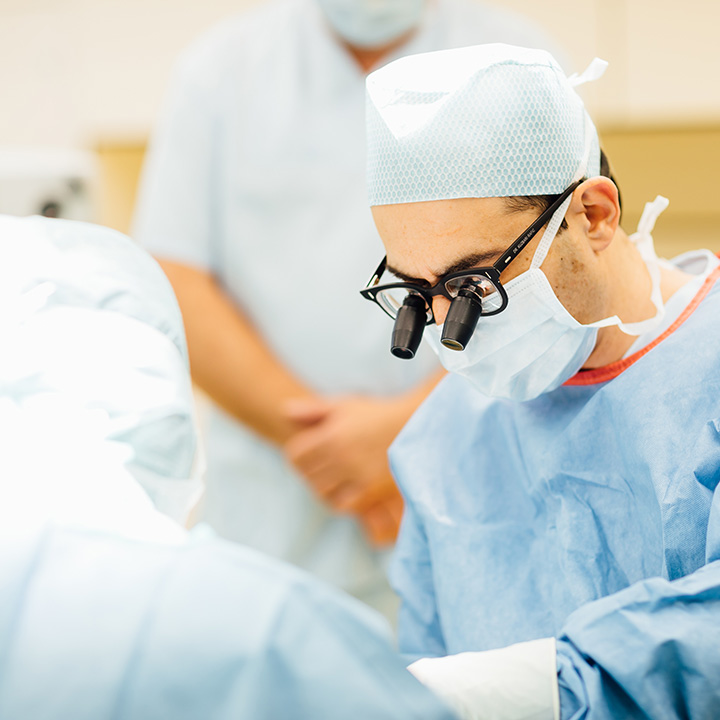
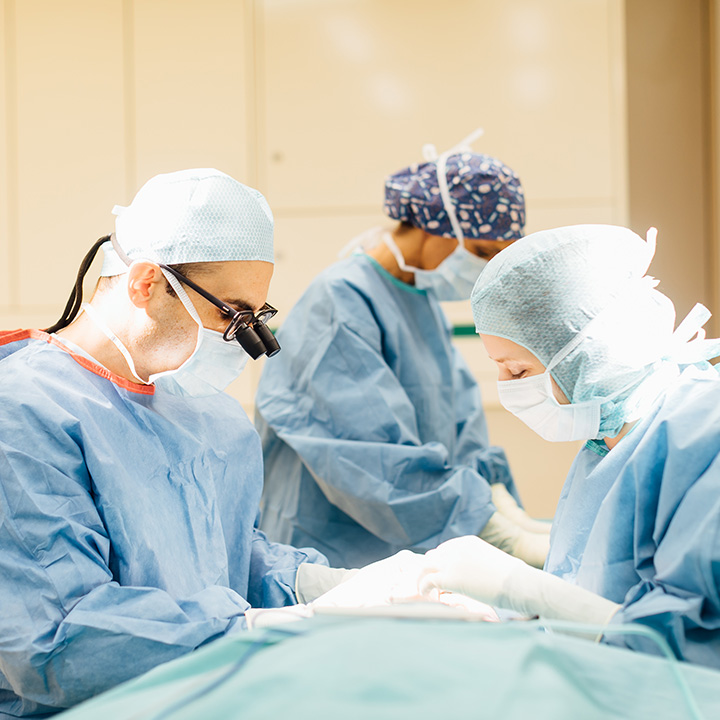
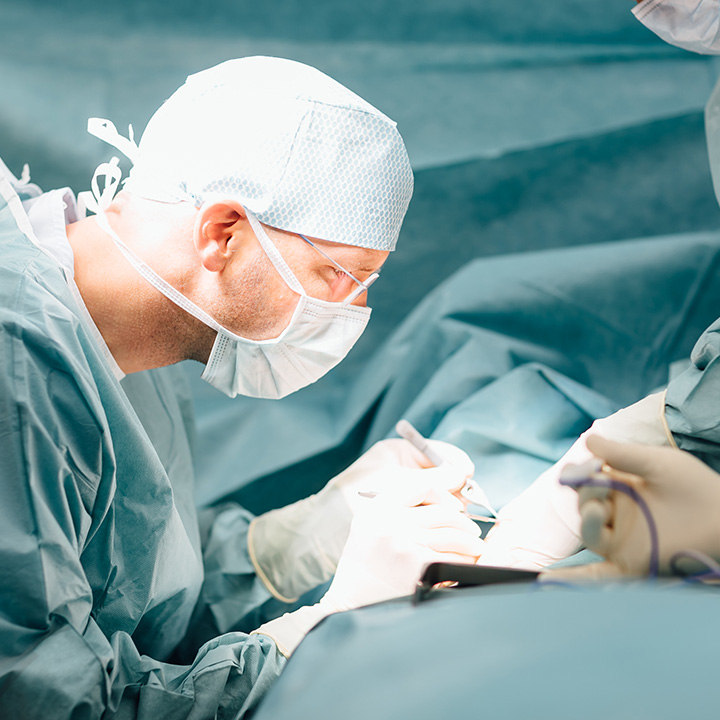
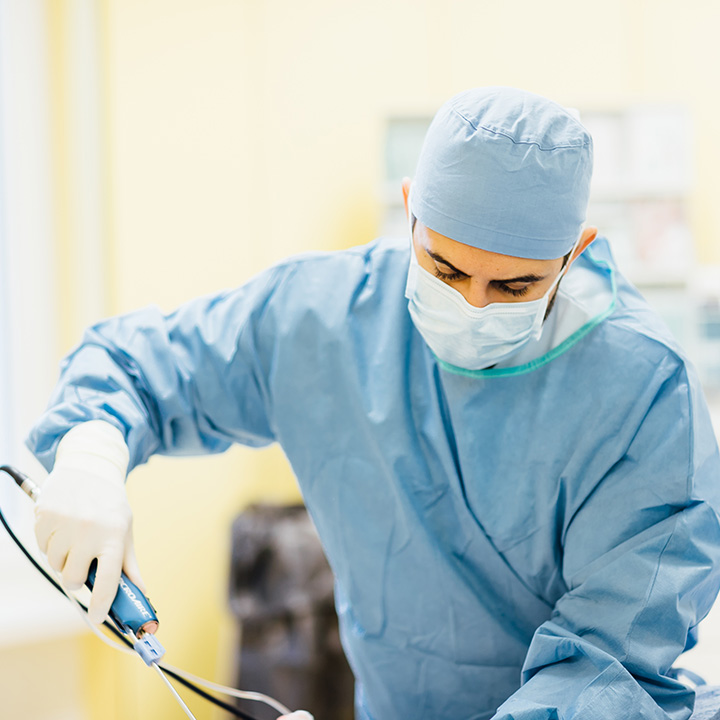
The operation takes place in the centre's own operating theatres, under general anaesthesia. Depending on the scope, it takes one to four hours. Because the operating theatres belong to us, we operate without time pressure — for as long as it takes for the result to be right. How long a procedure takes is decided by the findings, not by the appointment schedule.
- Inpatient in the building
After the recovery room you spend one night in a patient room of your own. The nursing staff is there around the clock. Nasal packing is not necessary.
- Follow-up talk and discharge
Examination and discussion of the course of events in your room. You can leave the Kuzbari Centre before 10 a.m. For times outside consulting hours you are given your surgeon's number.
- Splint, swelling, everyday life
The splint or plaster stays on for around ten days. Swelling and discolouration of the eyelids increase over the first two to three days and then recede. Most people are fit for work after three to seven days and fit to socialise after one to three weeks.
- The fine shape
The fine shape emerges over months; the final result shows itself after six to twelve months, occasionally later with very thick skin. All check-up appointments up to that point are included.
We really do take our time: the initial consultation
A nasal operation has to run precisely, and that begins long before the day of surgery. This is why we take over an hour for you as early as the initial consultation. A great deal happens in that hour — and if you are interested in a rhinoplasty, you should not miss it.
- We get to know one another.
- We listen to you.
- We answer all your questions.
- We examine the nose from the outside and from the inside and check nasal breathing.
- Using our Vectra 3D technology we produce a three-dimensional simulation of your current nose and your possible future nose.
- We show you before-and-after photographs of comparable noses that have already been operated on.
- We explain in detail how your nasal operation can proceed.
- We give you the time you need to think about the next steps. We will never try to push anyone into an operation.
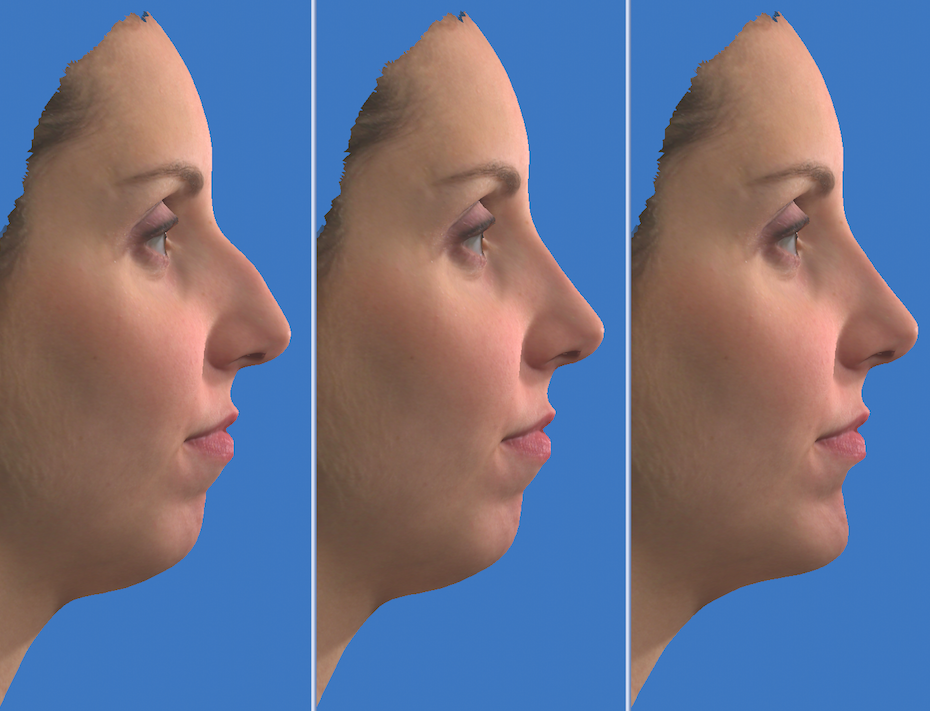
The simulation from three perspectives
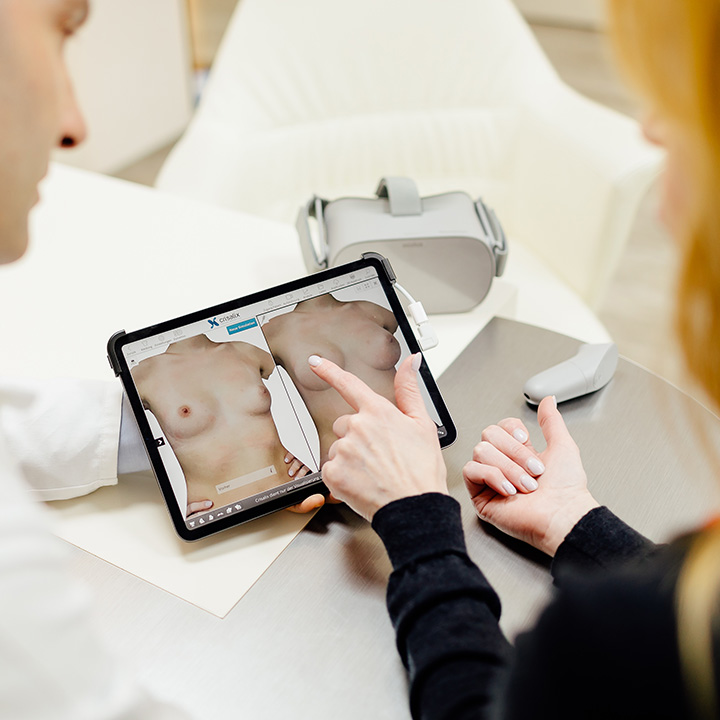
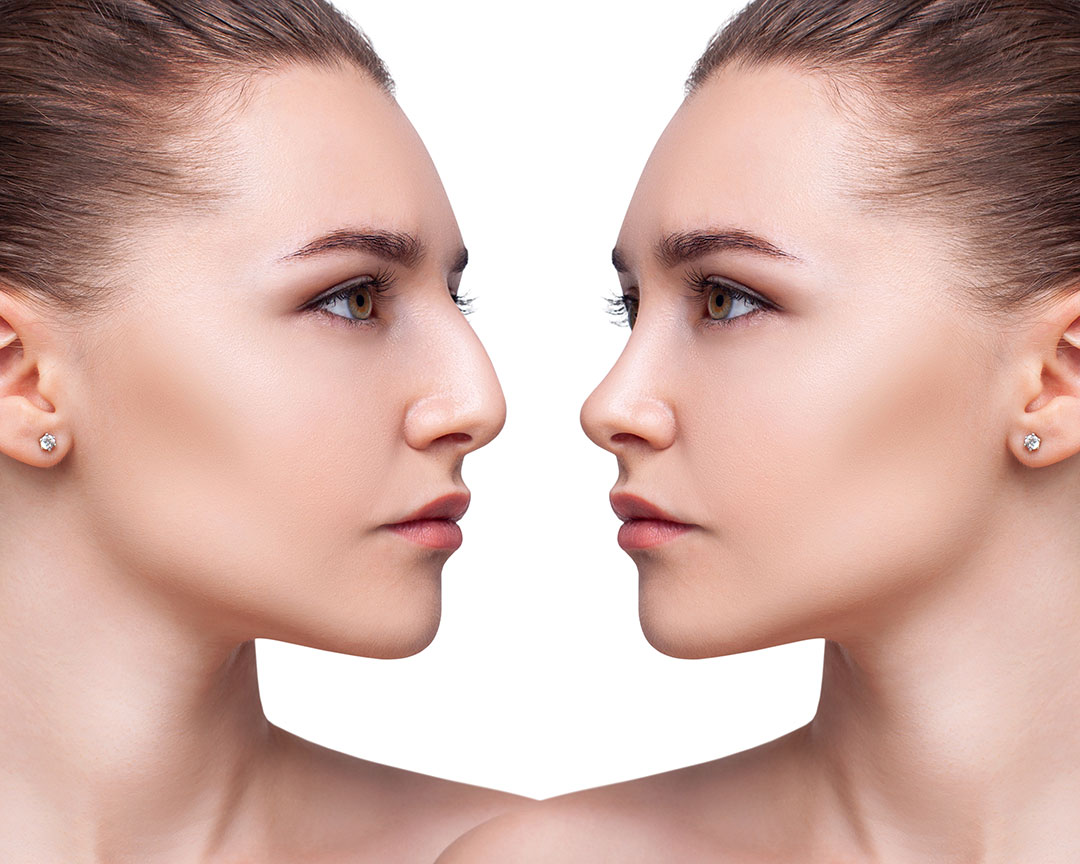
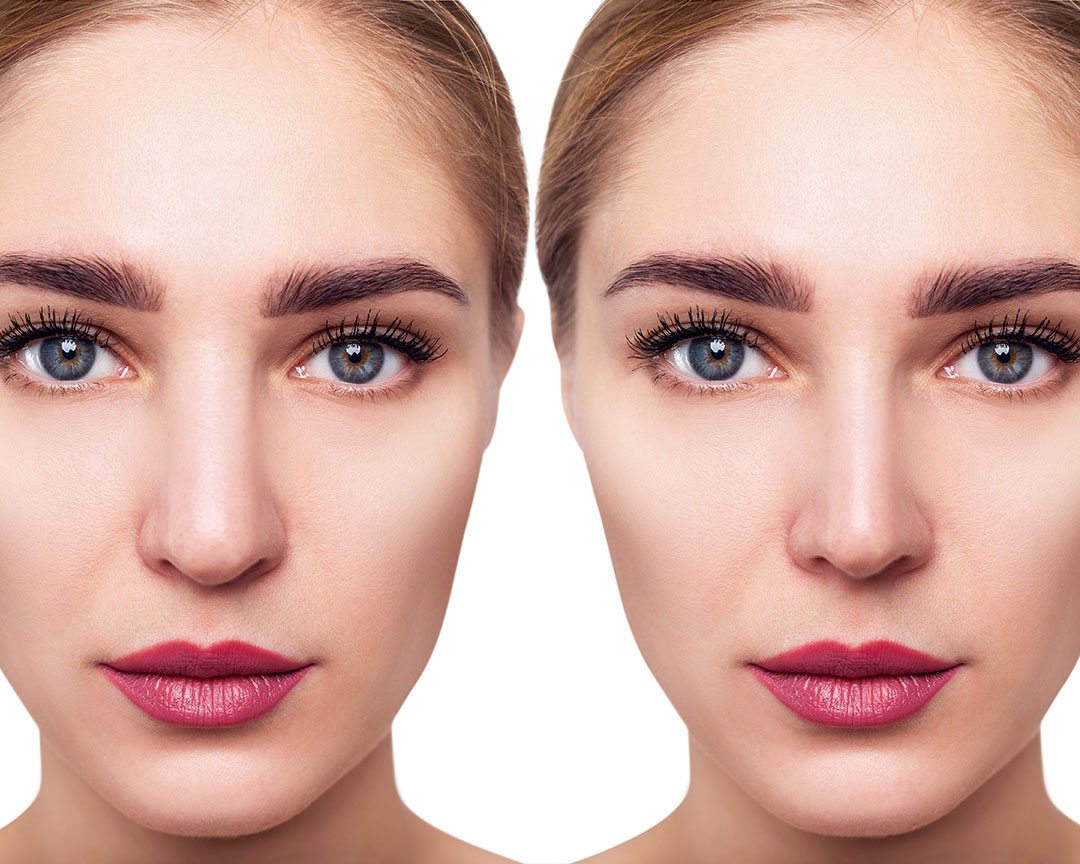
Our 3D simulation shows your future nose not only in profile but also from the front and from below. You therefore see your possible result from exactly the angles from which others see you every day — and before the operation we talk about the same picture.
The simulation is a preview within the limits of your anatomy, not a promise. It is, however, the most honest basis for the conversation, because it replaces words with an image that can be argued about — before anyone operates.
Results
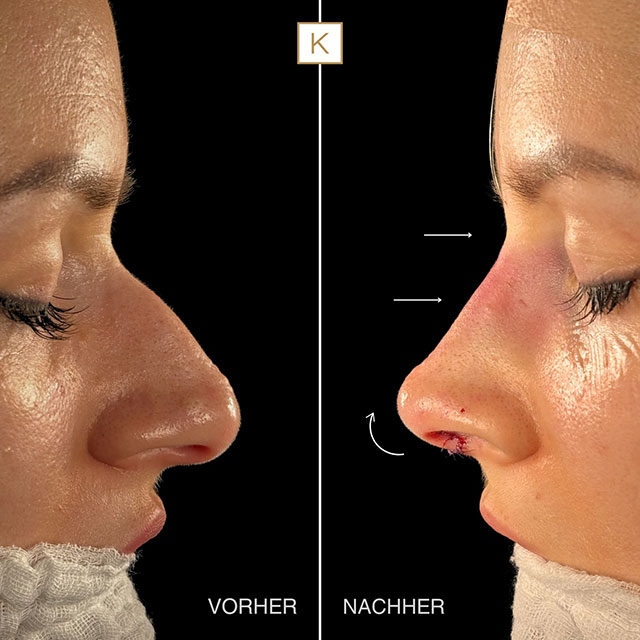
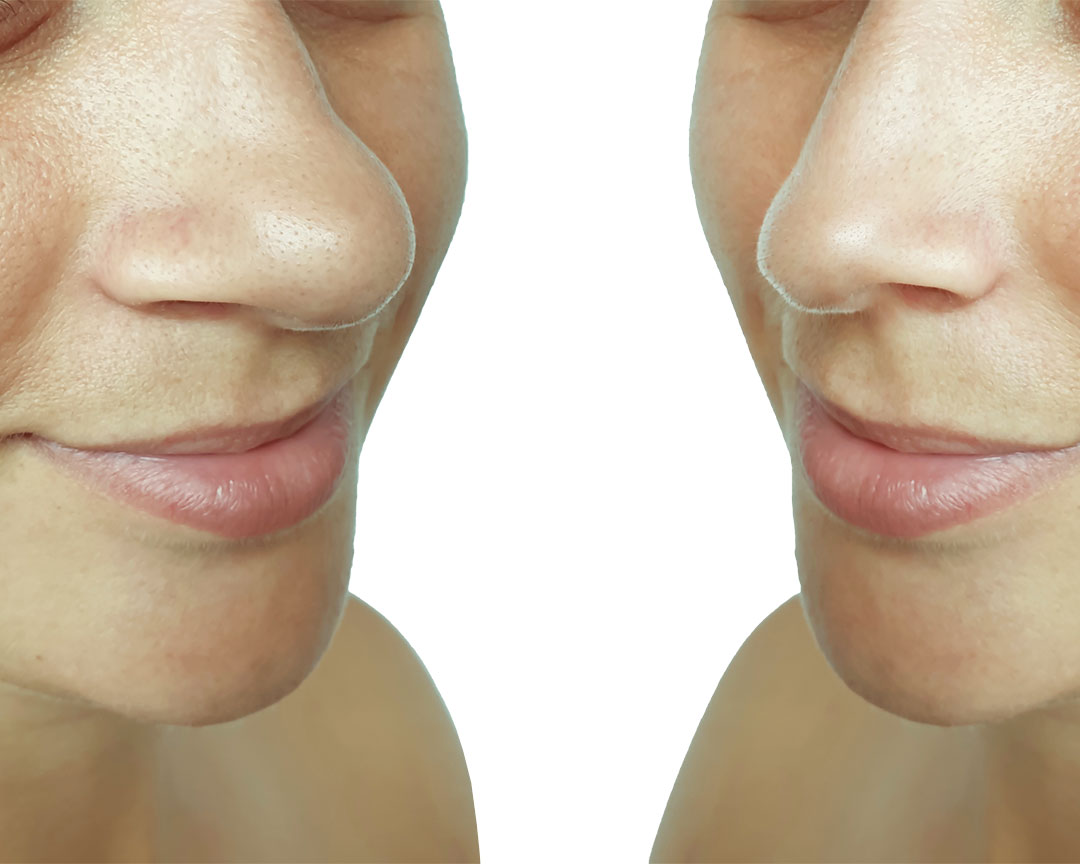
Before-and-after photographs show what was possible with one particular starting point. They do not show what is possible for you — that requires an examination. In the initial consultation we pick out cases whose starting point resembles yours.

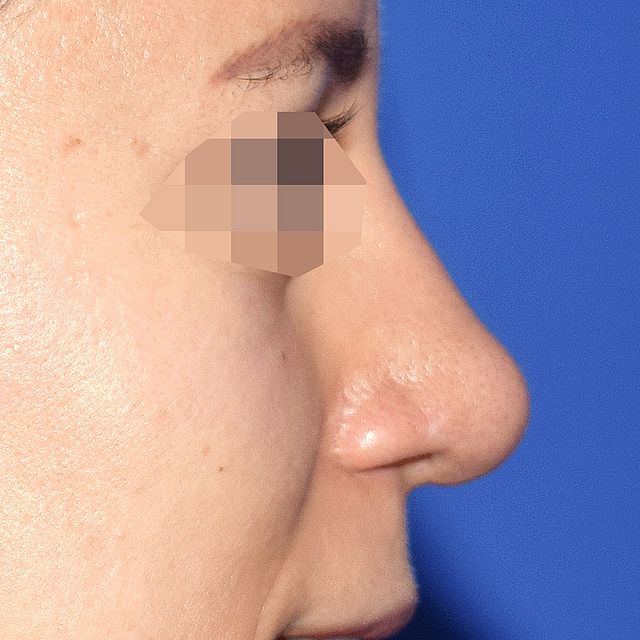
Drag the slider to compare before and after.
- Procedure
- Aesthetic rhinoplasty
- View
- Profile
- Anaesthesia
- General anaesthesia
Photographs of patients who have consented to publication. Every nose heals differently; a result shown here cannot be transferred to anyone else.
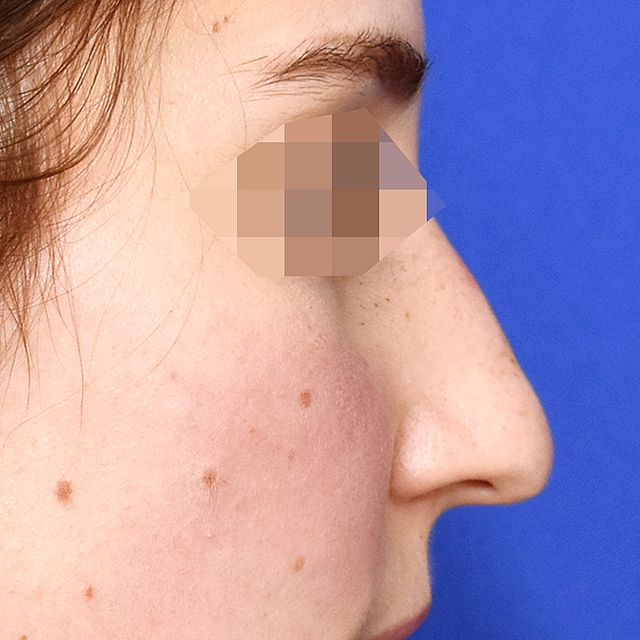
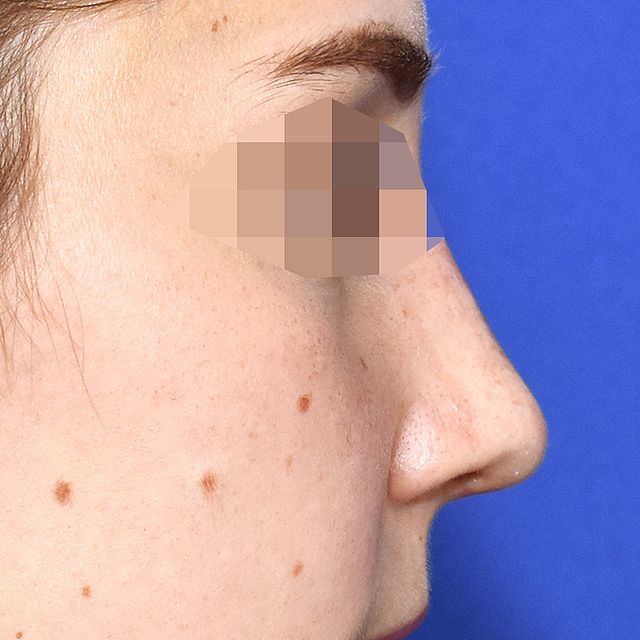
Straightening of the nasal bridge with adjustment of the nasal tip.
- Procedure
- Aesthetic rhinoplasty
- View
- Profile
- Photo taken
- After healing was complete
Photographs of patients who have consented to publication. Every nose heals differently; a result shown here cannot be transferred to anyone else.
Interview after the nasal operation
In this video our patient Chiara tells the story behind her rhinoplasty and how she is doing today.
I am very grateful to Dr Grill, he has changed my life. I am very happy and satisfied.
Who operates on noses at the Kuzbari Centre
Three specialists at the centre operate on noses. Whoever advises you also operates on you — and sees you again at the check-ups.
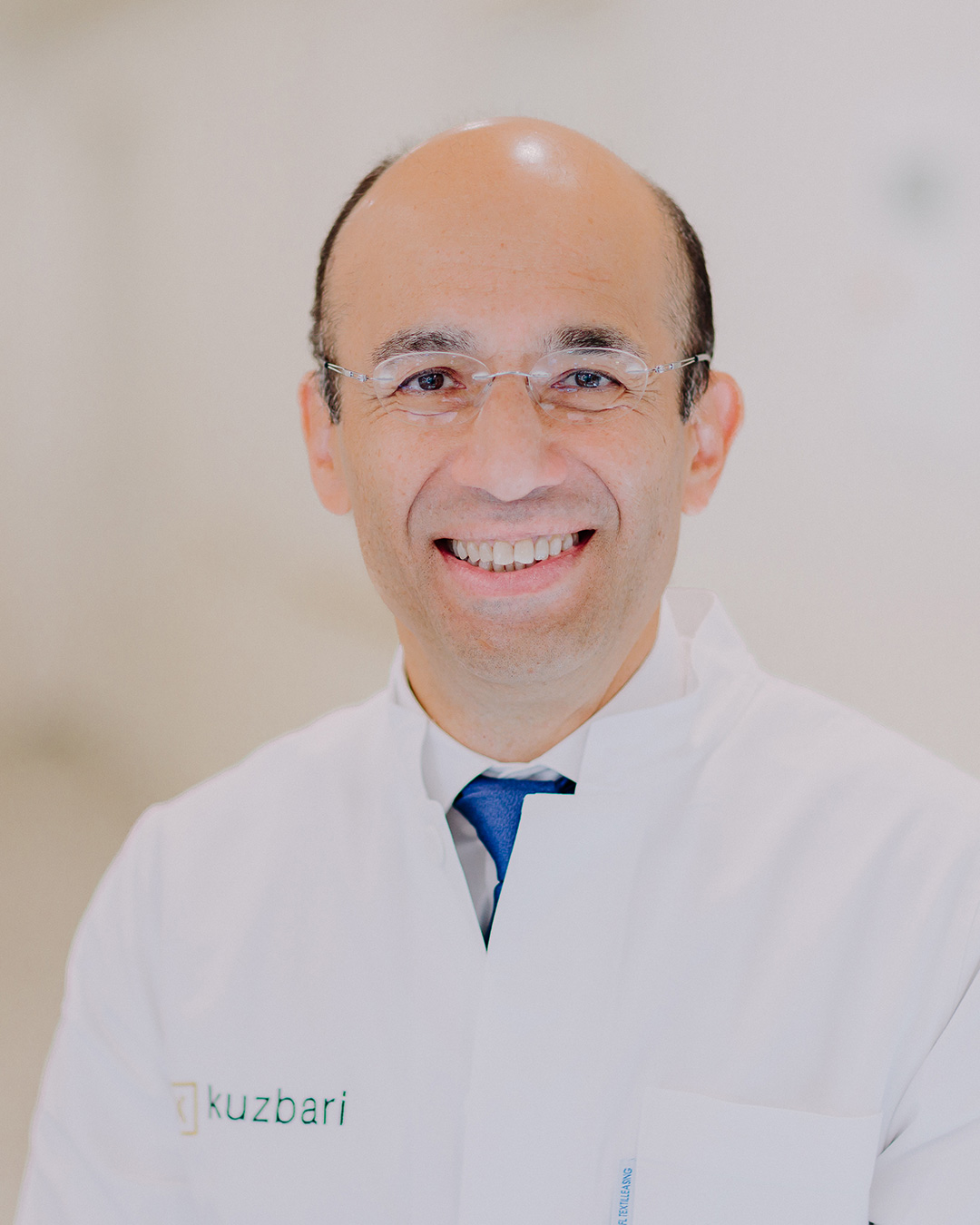
Founder of the Kuzbari Centre. He also takes on difficult revision operations and has worked with the piezotome for years.
To the profile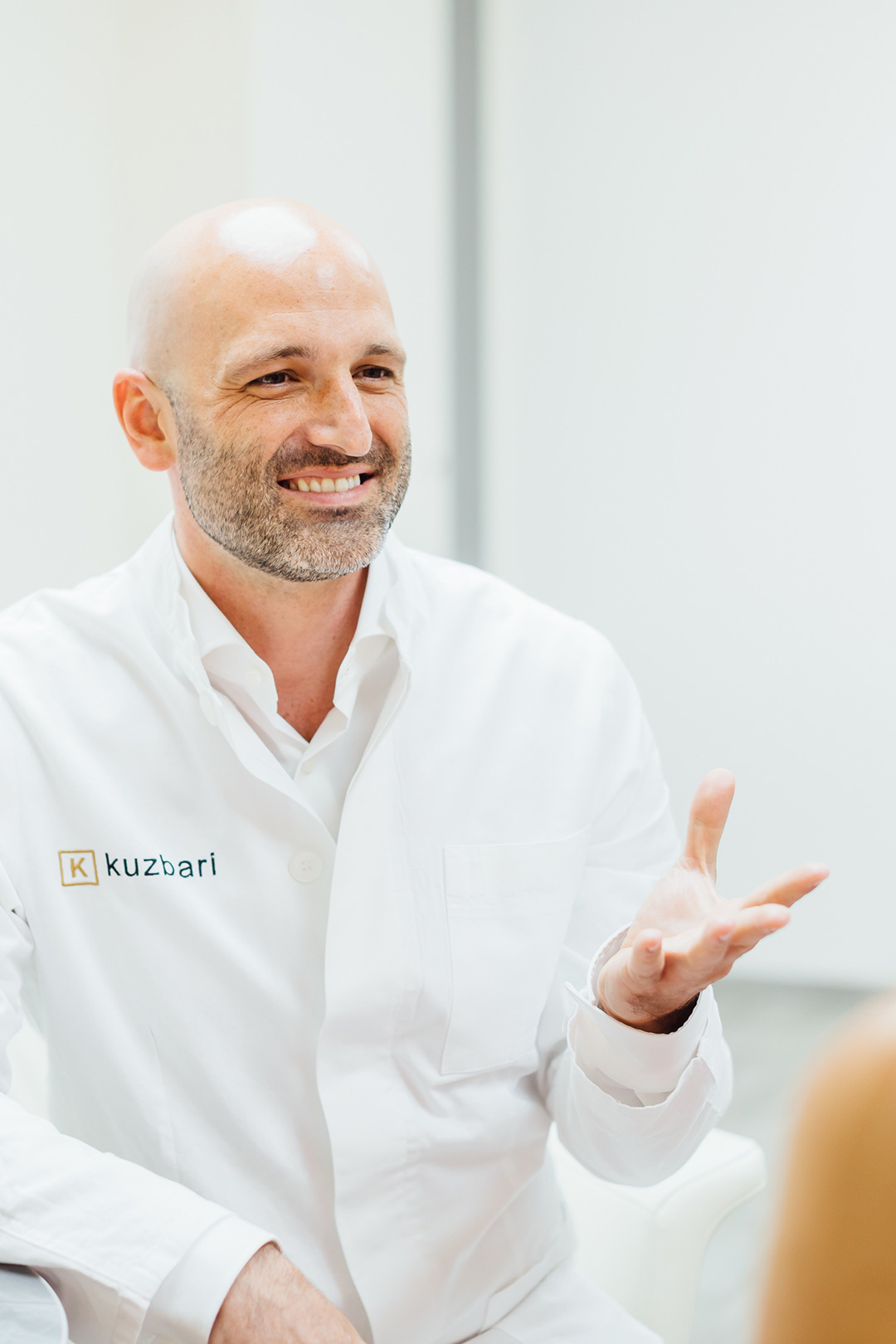
Focus on facial and nasal surgery, multiple award winner of the Austrian Society for Aesthetic Surgery.
To the profile
Works exclusively on the face and, where the findings are suitable, with the nose-bridge-preserving technique.
To the profile Since the human face is not a piece of wood to be carved into shape, the result naturally does not turn out a thousand per cent the way the computer simulation does.
Costs
The price depends on the effort involved. A first operation is the simpler case. A nose that has already been operated on costs more: scars, altered tissue and missing cartilage make the work more demanding, and a graft from the ear or rib is often necessary.
- Initial consultation and 3D simulationincluded
- Operation, anaesthesia and assisting teamincluded
- Overnight stay and cateringincluded
- All check-up appointmentsincluded
An initial consultation with three-dimensional simulation, a technique that suits your nose, and an operating time determined by the findings — this effort is the reason why a rhinoplasty has its price here. It is also the reason why the result is meant to last: a lifetime, not a few years.
The costs can be spread over up to five years through Kuzbari Finance, at an annual percentage rate of 9.99 %. You receive the binding terms with your application.
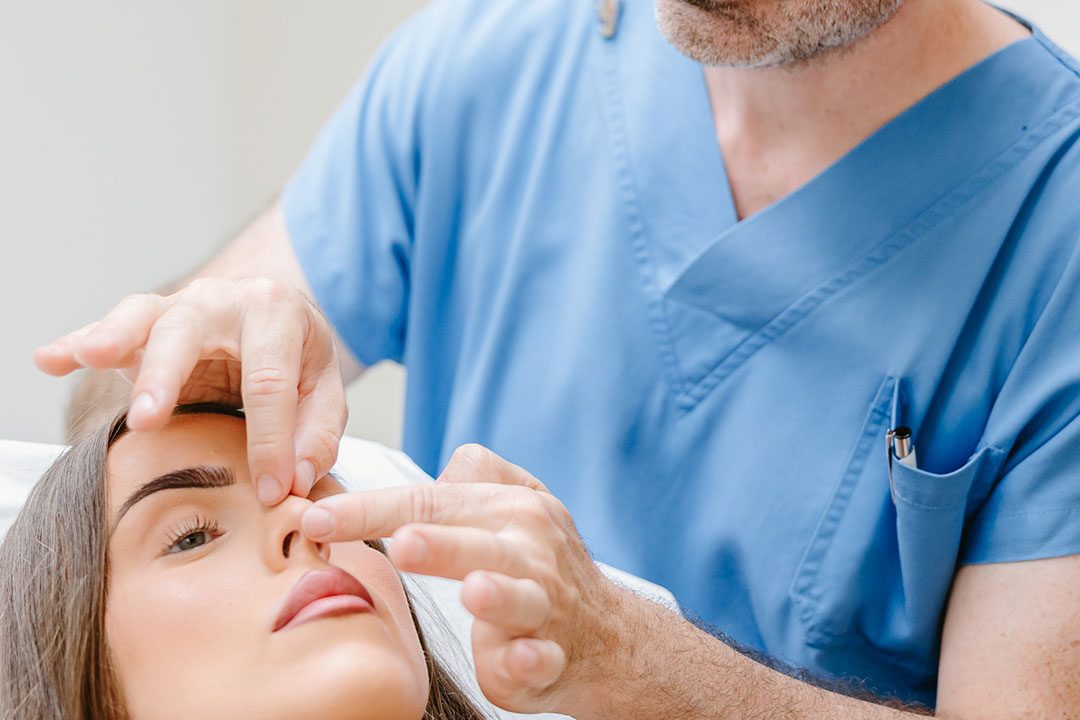
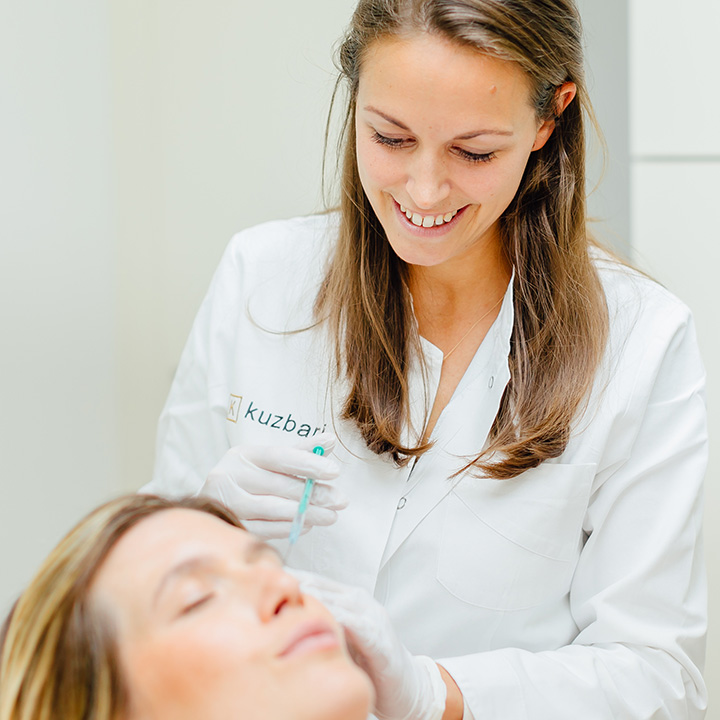
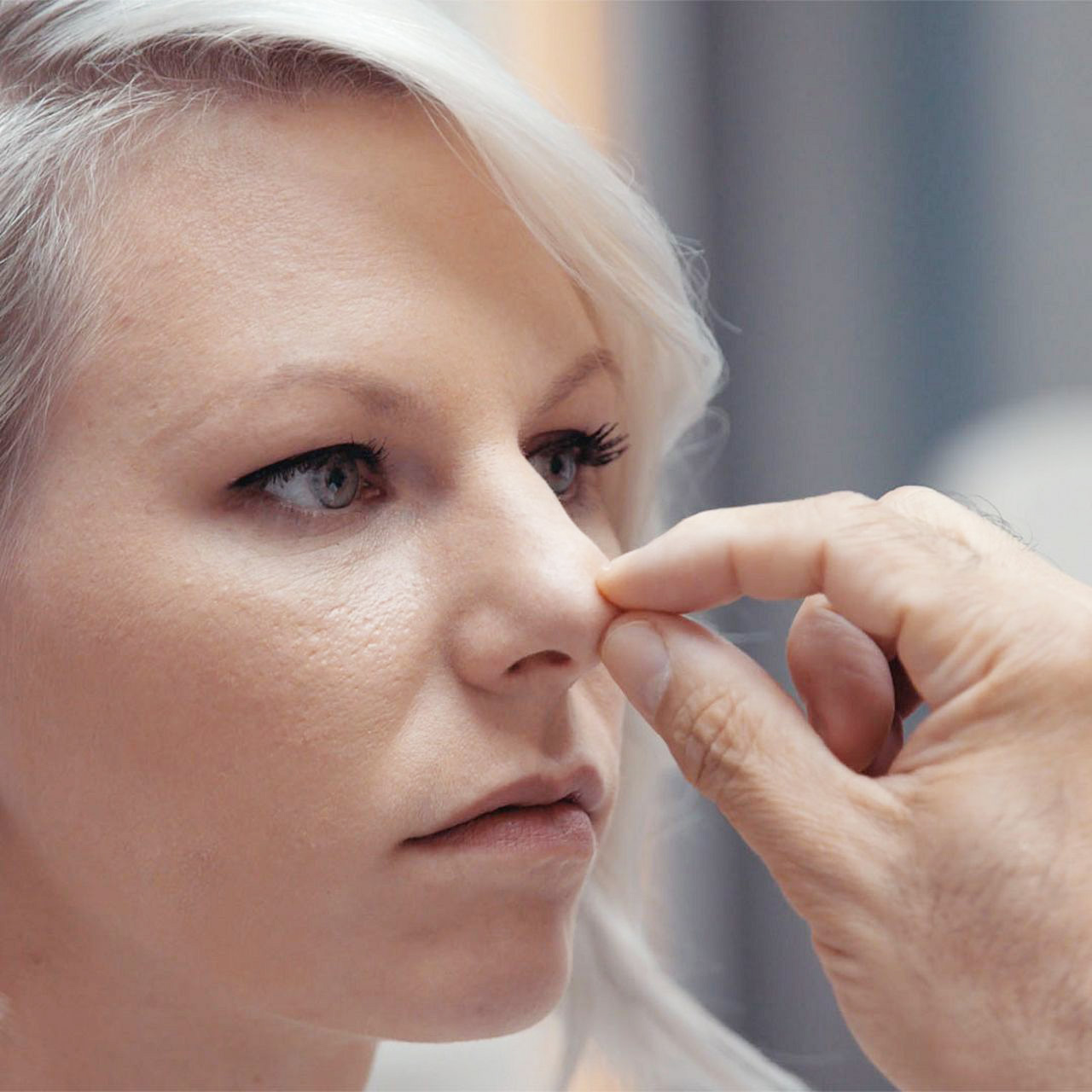
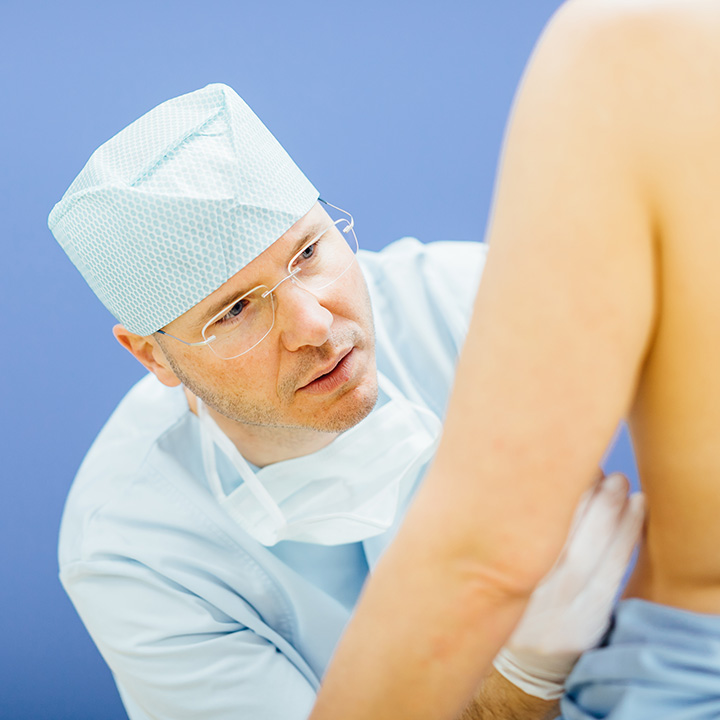
Examination of the bridge and the tip 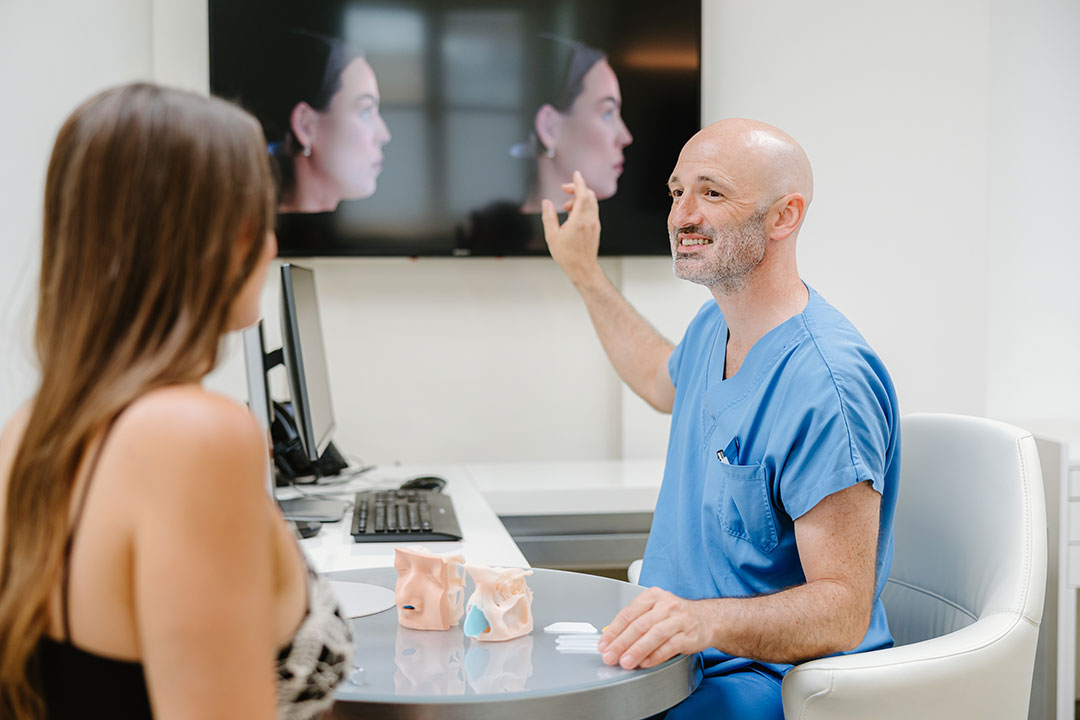
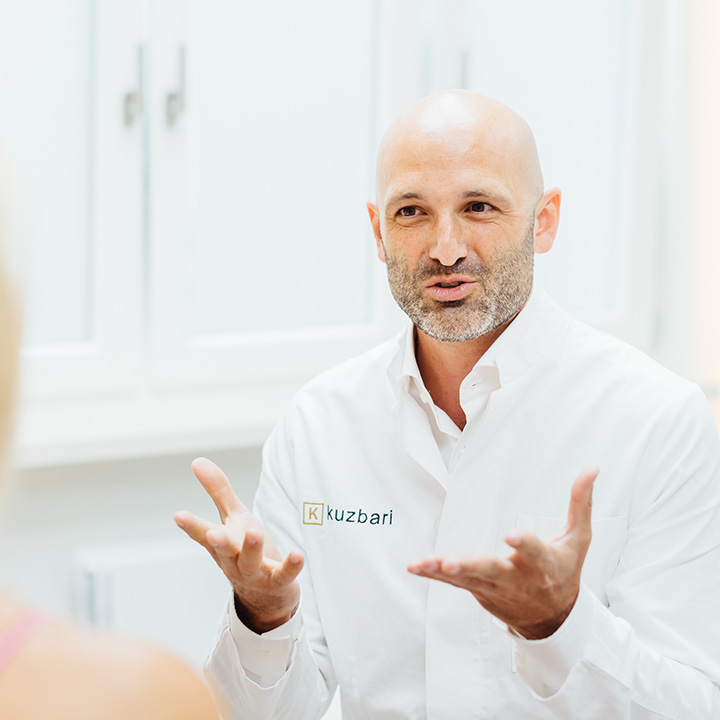
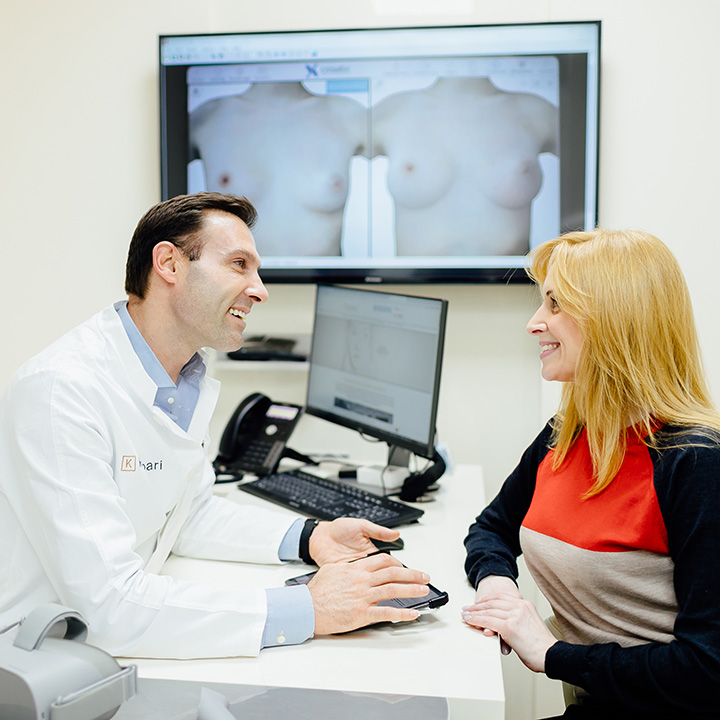
Discussing the 3D simulation 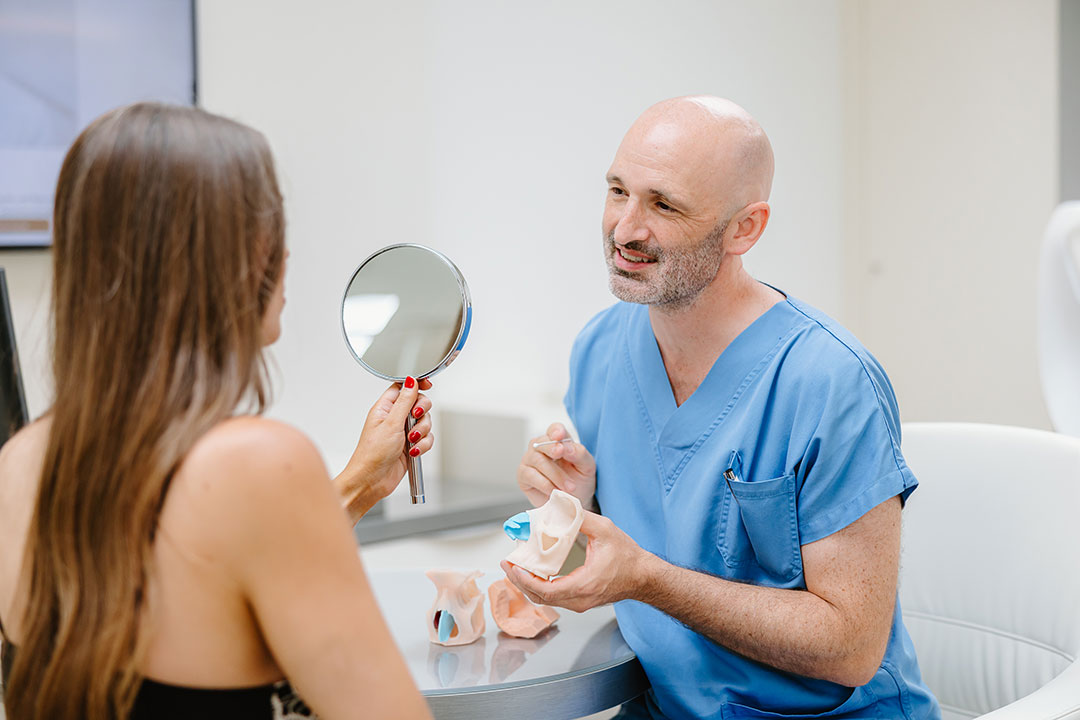
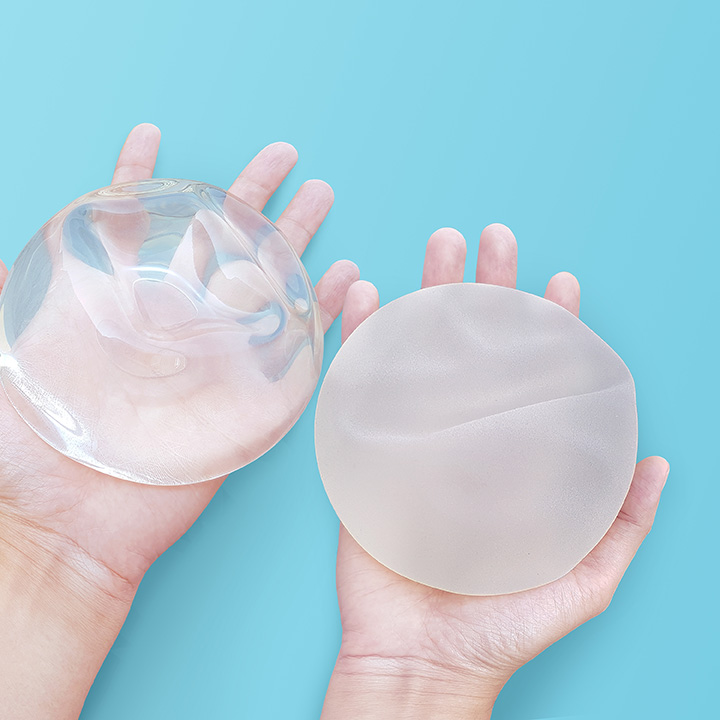
On the anatomical model
Frequently asked questions about aesthetic rhinoplasty
What is meant by an aesthetic rhinoplasty?
An aesthetic rhinoplasty is a surgical procedure that specifically adapts the shape, size and proportion of the nose in order to achieve a harmonious overall impression of the face. The focus is not only on aesthetic wishes but also on the individual balance between facial features, nasal shape and personal expression. At the Kuzbari Centre every aesthetic rhinoplasty is planned as an individual, holistic change.
What are typical wishes with an aesthetic rhinoplasty?
Many patients wish for the reduction of a nasal hump, a finer nasal tip, a more proportionate nasal length or a more harmonious nasal base. Correcting asymmetries or irregularities after injuries is also part of this. At the Kuzbari Centre all these goals are discussed in detail and planned realistically as part of a personal analysis.
How does an aesthetic rhinoplasty differ from a functional one?
With aesthetic rhinoplasty, shape and proportion are in the foreground. A functional correction deals with the inner structures that influence nasal breathing. At the Kuzbari Centre both are always examined: you receive a rhinoplasty that is aesthetically convincing and functionally sensible, if necessary combined.
What is the nose-bridge-preserving technique?
With the nose-bridge-preserving technique, known as dorsal preservation, the natural nasal bridge is preserved instead of being removed and rebuilt. We work a great deal with this modern technique as well as with hybrid techniques, not exclusively with the traditional structural septorhinoplasty. The result looks particularly natural, it is stable in the long term, and the risk of later irregularities on the nasal bridge is reduced. That matters above all with thin skin, because there every tiny edge becomes visible.
Does the nasal tip droop again over the years?
We stabilise the nasal tip using modern cartilage-supported techniques. This considerably reduces the risk of drooping of the nasal tip over the years.
What are the advantages of the 3D simulation for my decision?
Our 3D simulation shows your future nose not only in profile but also from the front and from below. You therefore see your possible result from exactly the angles from which others see you every day — and before the operation we talk about the same picture. You are not shown promises, but a preview within the limits of your individual anatomy.
Where is the aesthetic rhinoplasty carried out?
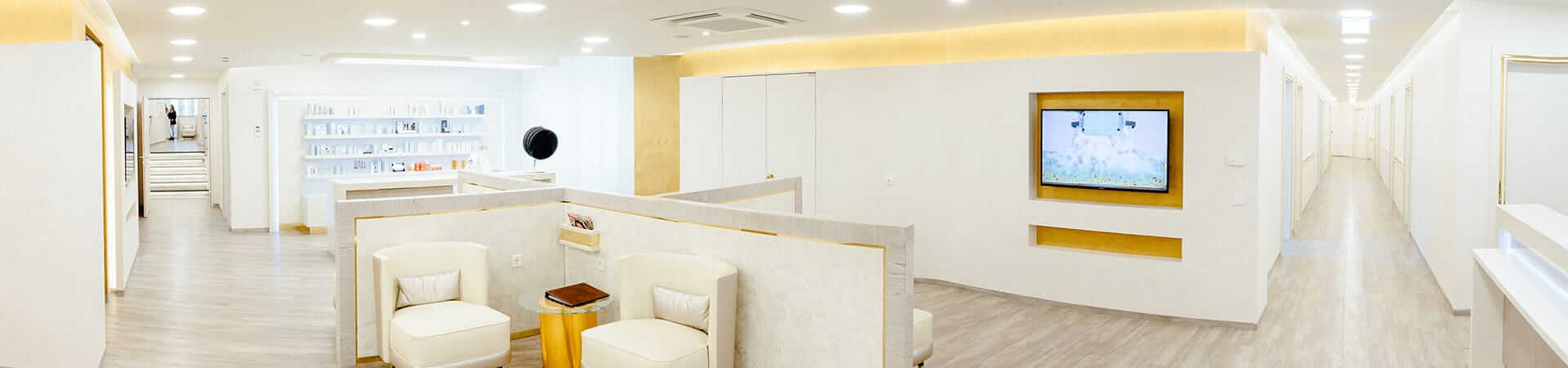
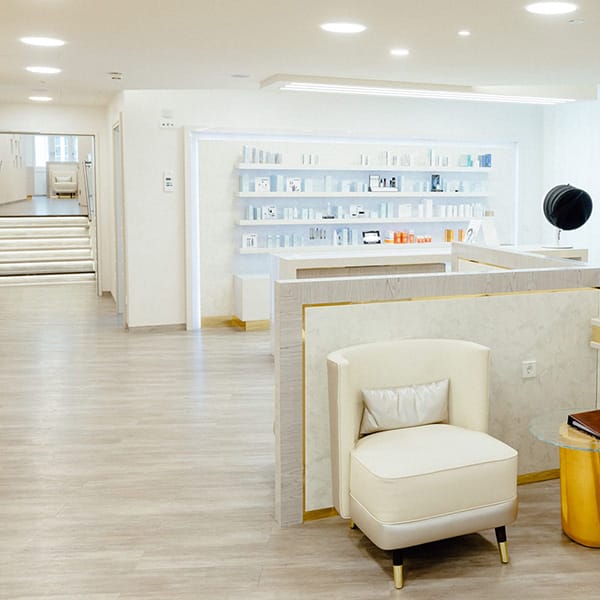
Your aesthetic rhinoplasty takes place in the Kuzbari Centre's own operating theatres, equipped to high medical and hygienic standards. That means short distances and well-rehearsed processes: from the consultation through the operation to the aftercare, everything under one roof.
Which techniques are used in an aesthetic rhinoplasty?
Depending on the findings and the desired result, open or closed techniques are used. In addition there are the nose-bridge-preserving technique, hybrid techniques and cartilage-supported stabilisation of the nasal tip. If work on the bone is required, we use the piezotome as standard. The aim is always a long-term stable and natural shape.
Is an aesthetic rhinoplasty painful?
The operation is carried out under general anaesthesia, so you experience the procedure itself without pain. In the immediate healing phase there may be slight swelling or a feeling of pressure, which is usually easy to control. The team at the Kuzbari Centre places particular value on individually tailored pain management and aftercare.
How long does the recovery phase take?
In the first days after the procedure swelling and slight bruising are normal. Most people are fit for work after three to seven days and fit to socialise after one to three weeks. Full healing and the final development of the shape take place over six to twelve months. During this time our team accompanies you with check-up appointments.
Do I need nasal packing?
No. At the Kuzbari Centre nasal packing is not necessary. After the operation you wear a nasal splint or a nasal plaster for around ten days.
Can an aesthetic rhinoplasty also bring functional benefits?
Yes. Even when the focus is on aesthetics, all structural aspects of the nose are taken into account. If functional restrictions are present, such as narrowed nasal breathing, they can be corrected during the same operation.
Which nasal shapes can be corrected?
In principle humps, wide bridges, asymmetric tips, deviations and more complex starting points can all be treated. After the analysis a treatment plan is drawn up that suits your facial features and the image you have in mind. We tell you in the initial consultation where the limits lie.
Are there alternatives to surgical aesthetic rhinoplasty?
For very small irregularities, a non-surgical treatment with fillers is an option in selected cases. Such treatments only work for a limited time, however, and are not suitable for structural changes or complex shape corrections. In the consultation we clarify openly whether such an alternative is an option for you.
How realistically can I judge my expectations of the result?
Together with your surgeon you develop a realistic picture of your options, supported by analysis, experience and three-dimensional visualisation. The aim is a result that takes your wishes into account and makes anatomical sense.
Your consultation
Over an hour of time, an examination from the outside and the inside, a 3D simulation and an honest assessment of what is possible — without obligation.
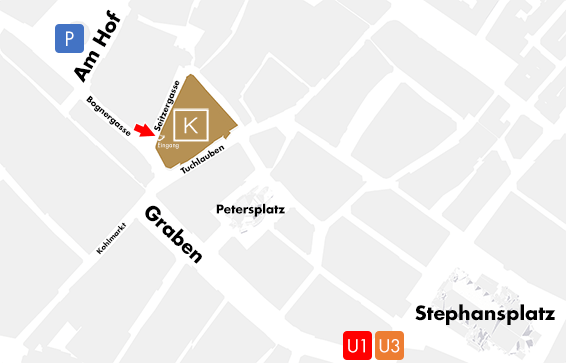
Monday to Friday, 08:00 to 18:00 · Seitzergasse 2-4, 1010 ViennaBook an appointment for your
rhinoplasty now!
Facial surgery is among the areas of focus at the Kuzbari Centre. That is why three specialists with us deal exclusively with the "supreme discipline" of plastic surgery, and whichever of them you decide on: all stand for genuine bespoke work, the highest possible quality and the greatest possible safety. You will find the appointment booking for Univ. Doz. Dr. Rafic Kuzbari on this page.
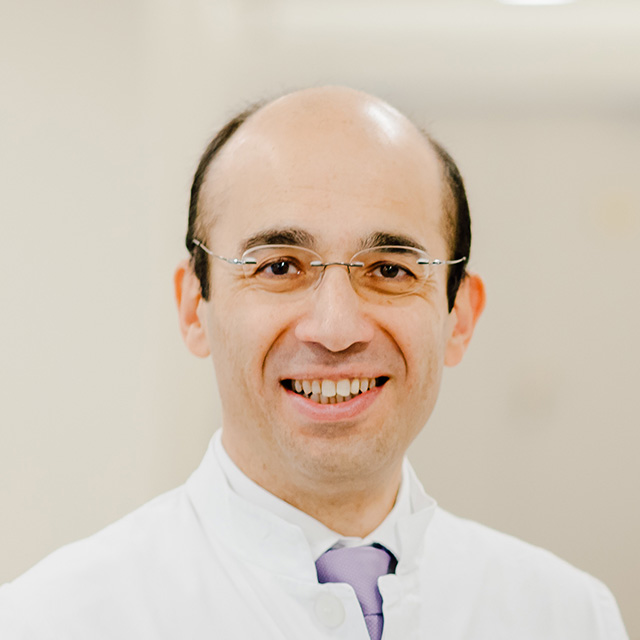
In the following overview you can book appointments with our rhinoplasty specialists Dr. Christoph Grill and DDr. Jessica Wittmann.
Here you will find an overview of our rhinoplasty experts:
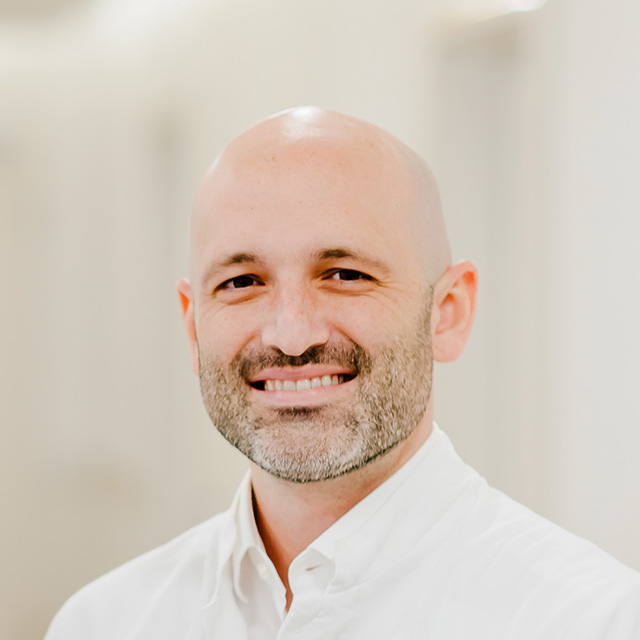
Details & appointment booking
3D simulation
Inpatient procedure
with overnight stay
Kuzbari
operating wing
Kuzbari
Safety Check
Kuzbari
quality guarantee
Photo documentation
2-3 weeks
downtime
Aftercare
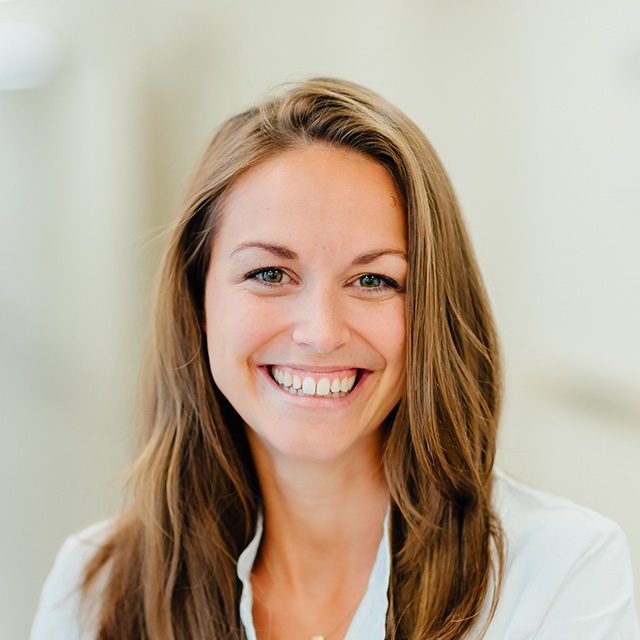
Details & appointment booking
3D simulation
Inpatient procedure
with overnight stay
Kuzbari
operating wing
Kuzbari
Safety Check
Kuzbari
quality guarantee
Photo documentation
2-3 weeks
downtime
Aftercare
Details & appointment booking
3D simulation
Inpatient procedure
with overnight stay
Kuzbari
operating wing
Kuzbari
Safety Check
Kuzbari
quality guarantee
Photo documentation
2-3 weeks
downtime
Aftercare


 01 358 28 01
 Book now