









Upper eyelid lift: hooded and drooping lids
Slack upper lids make the eyes — and therefore us — look older and more tired than we are. This page explains how hooded and drooping lids arise, how we correct them at the Kuzbari Centre, what that costs and how to recognise a good result.
- From €2,600
- Incision in the lid crease
- Day case, no overnight stay
- 1 to 3 weeks of downtime
- 2,000+eyelid operations at the Kuzbari Centre
- 3specialists for eyelid surgery
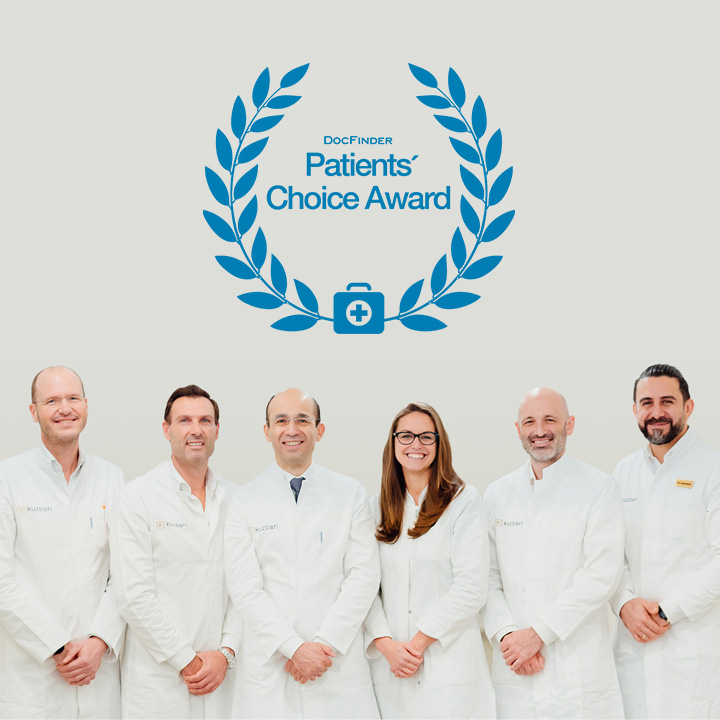
- 11times in a row: Patients’ Choice Award
- 38DocFinder awards in total
Why upper lids slacken
Over a lifetime the elasticity of the lid tissue declines. The lid skin, the muscle and the connective tissue beneath slacken, and the fat of the eye socket bulges forward increasingly. These changes produce the typical signs of ageing at the eyes: the upper lids look puffy, and the excess skin folds over the lashes — which is how the impression of hooded lids arises.
The lids, along with the hands, often give away our real age, because the natural ageing process begins noticeably earlier and faster in thin layers of skin than elsewhere. In some people these changes appear earlier than in others; most of those affected are over forty. With such age-related changes the slack lid tissue can be tightened surgically — by blepharoplasty.
Not every heavy upper lid is a hooded lid, however. Sometimes the lid itself droops because the levator muscle is weak; medicine calls that ptosis and treats it differently. And sometimes it is not the lid but the descended brow weighing the lid down. Which part creates the impression in your case is shown by the examination.
What the mirror shows
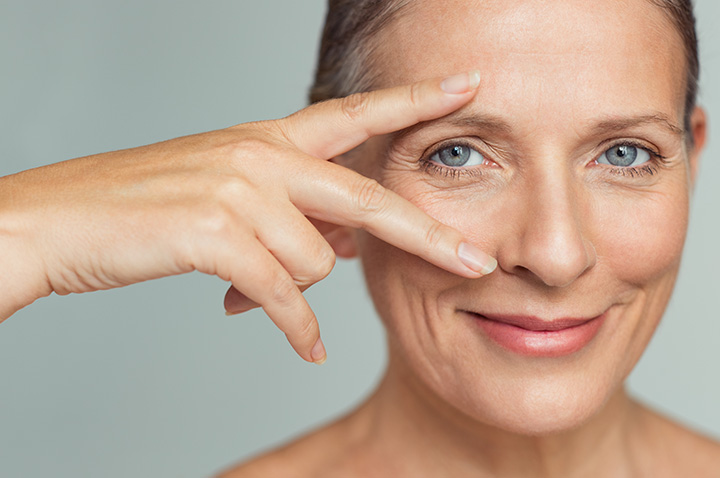
Alongside the nose and the mouth, the eyes are among the central features of the face. An awake appearance, naturally bright eyes and an open gaze count for a great deal. As the tissue in the lid and brow region slackens, that presence is often lost with age: people then complain that they do not feel nearly as tired as their face suggests.
Lid skin, brow or levator muscle?
Three findings produce a similar picture and call for different procedures. That is why the measurement always comes first: where is the lid margin in relation to the pupil, how much skin lies above it and where does the brow sit?
| Findings | What is noticeable | What we do |
|---|---|---|
| Hooded lid (excess skin) | The lid skin folds over the lashes; eyeliner disappears. Lift the skin with a finger and the eye is free. | An upper eyelid lift: skin, parts of the muscle and protruding fat to a defined extent, with the incision in the lid crease. |
| Drooping lid (ptosis) | Even with the skin lifted the lid margin stays low over the pupil; keeping the eye open takes effort. | In addition the levator muscle is shortened or reattached. More about ptosis |
| Descended brow | The lid reads as heavy although there is hardly any excess skin; the brow sits lower than it used to. | A brow lift, with brow fixation if needed — alone or together with the eyelid lift. |
Hooded-lid correction or brow lift?
DDr. Jessica Wittmann explains which procedure makes sense when — and why the answer depends on the brow.
At a glance
- First consultationAbout an hour
- ProcedureDay case, no overnight stay
- AnaesthesiaLocal or twilight sedation
- Length of the operation1 to 4.5 hours
- Suture removalAfter about a week
- Back at workFrom 3 days (desk work)
- Back among peopleAfter 1 to 3 weeks
- SportAfter 2 to 3 weeks
- Final resultAfter 2 to 3 months
- CostFrom €2,600
Guide figures for eyelid surgery at the Kuzbari Centre. What applies to you depends on the extent of your procedure and is settled after the examination.
The upper eyelid lift in detail
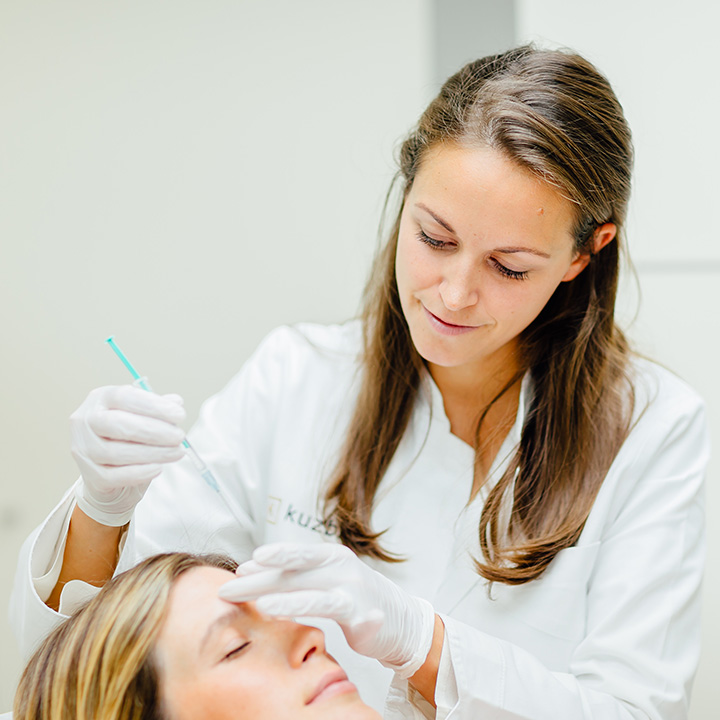
In an upper eyelid lift, excess skin, protruding fat and, where present, slack muscle are removed. The correction is carried out as a day case. The region is numbed locally, then a precisely placed incision follows in the natural lid crease and — depending on how far the slack skin extends — beyond the outer canthus as well. The work is done through this approach to a precisely defined extent.
The importance of experience shows in the fatty tissue: it is either reduced or repositioned so that a harmonious transition arises between the lid and the brow region. Remove too much and the eyes look hollow and tired. Remove too little and you do not reach the best possible result. The best result is a precise landing.
After the procedure physical exertion should be avoided; cooling eases the swelling. After about two to three weeks you are ready to be seen again, and only a fine scar remains in the natural lid crease, which usually becomes invisible over time.
Why we allow up to four and a half hours
Because we plan every procedure individually and set the technique and the operating time by the findings. There are no routine operations by the hour here: the patient does not fit the method, the method fits the patient. Because the theatres are ours, that is organisationally possible too.
- Booking a consultation
Round the clock through the online booking, through the contact form or by telephone on 01 358 28 01. You book directly in the diary of the specialist of your choice.
- The first consultation
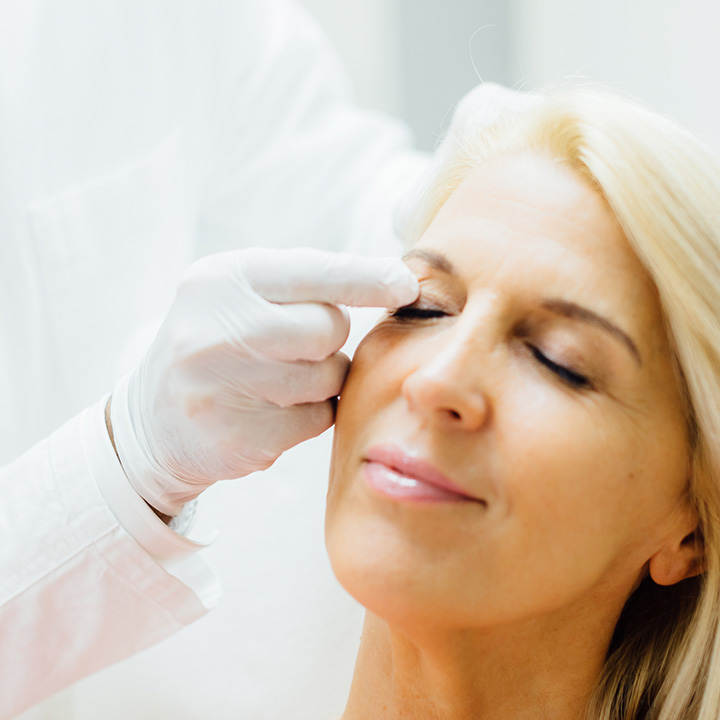
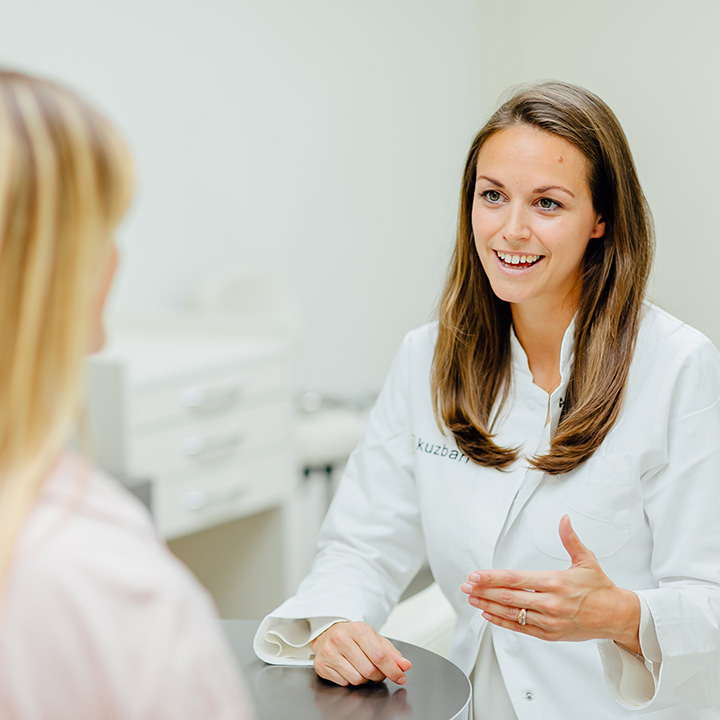
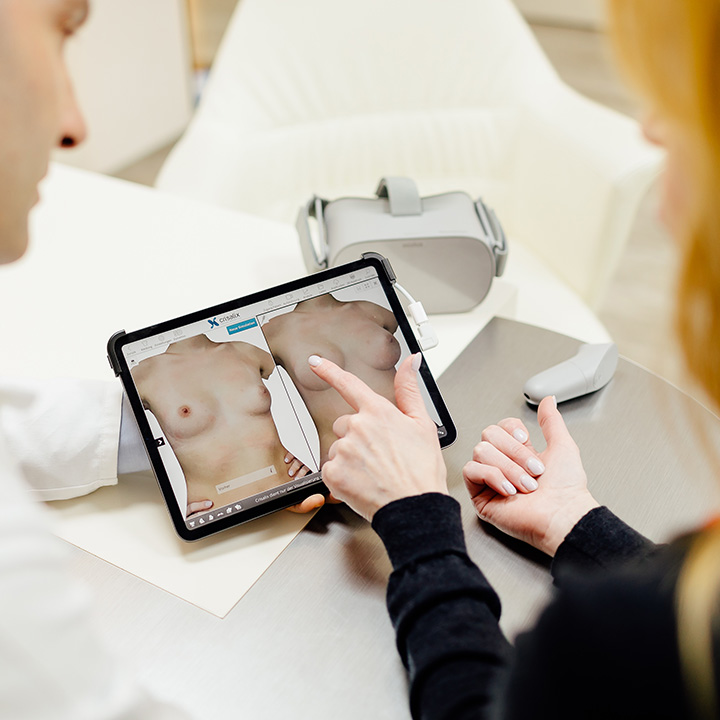
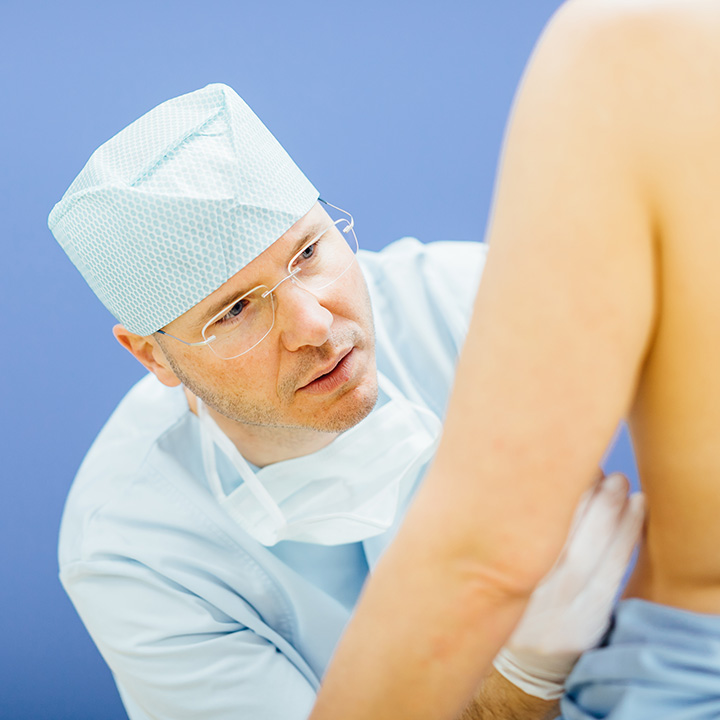
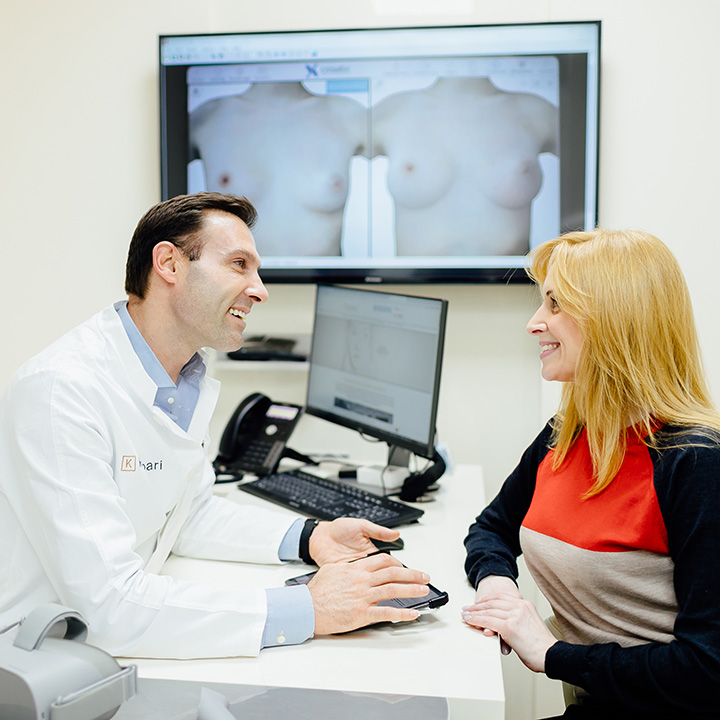
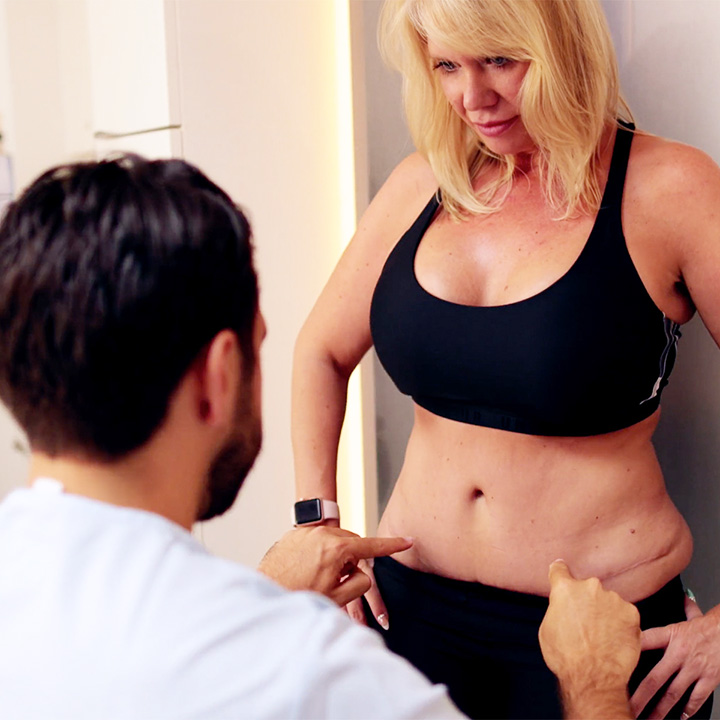
To begin with, professional photographs of your face are taken and we look at them together on a large screen. Features often emerge that are invisible in a mirror. We examine the eye region and compare it with photographs of you as a young adult.
We then discuss the treatment options, the course of the procedure, the risks and the downtime, look at before-and-after cases with a similar starting point and settle the cost including instalments. You get all the time you need. Nobody is pushed towards an operation.
- The Kuzbari Safety Check
We make sure you are prepared for the procedure and draw up your surgical plan, so that nothing is left to chance. You also receive the notes that let you organise the first days at home well.
- Marking up while seated
The procedure begins before the operation: with the marking up. It is done seated, because gravity then acts as it does in everyday life — which makes the result better. We use those ten to fifteen minutes to explain the sequence precisely once more, so that you know what happens when.
- The operation
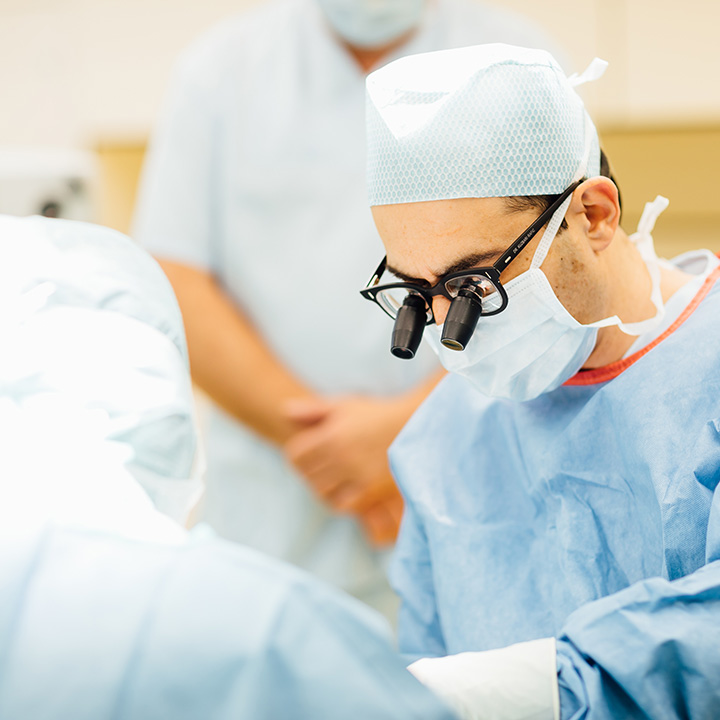
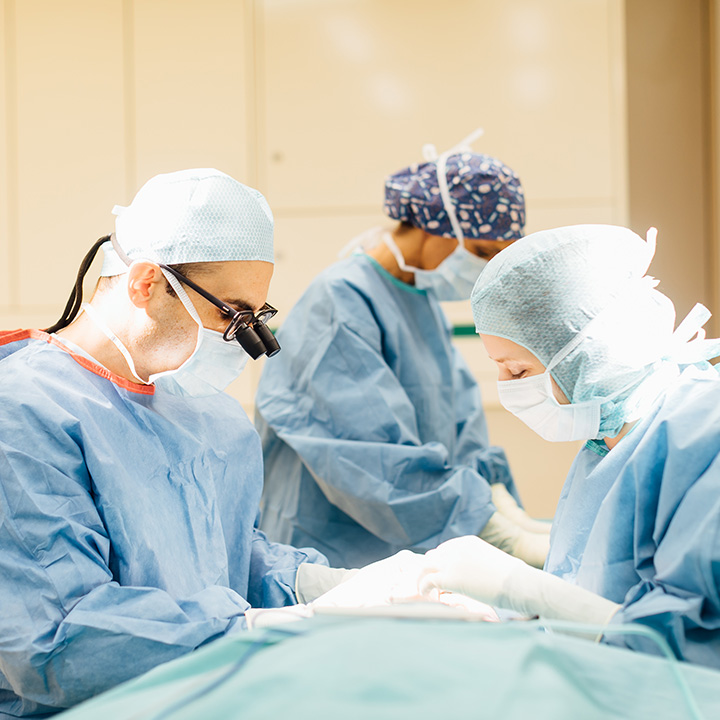
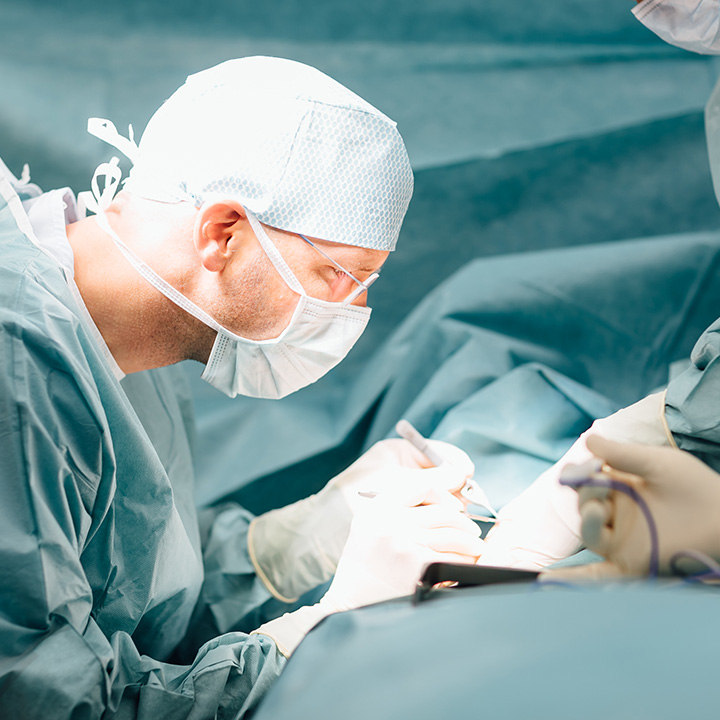
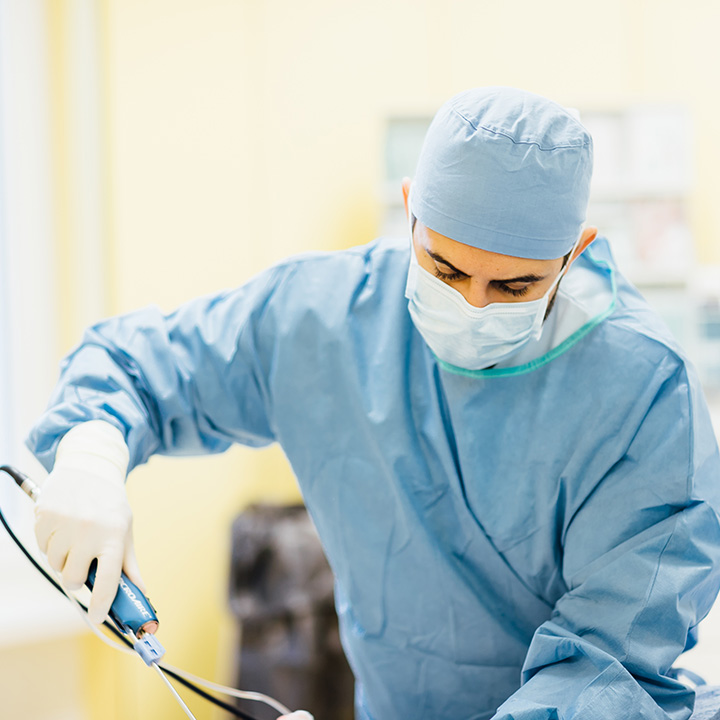
The operation is a day case in our own theatres, under local anaesthesia and, if you wish, with twilight sedation. Because the theatres are ours, the work is done without time pressure. Afterwards you recover in peace; most people go home two to three hours later.
- Swelling, cooling, suture removal
After the lift the eyes are swollen and discoloured. From the third day the swelling starts to go down; cool packs help. We remove the sutures after about a week. Feeling low in the first days after surgery on the face is normal — we are reachable during that time.
- Back to normal life
Medically most people are fit for desk work again after three days. You are ready to be seen after one to three weeks, and sport is possible after two to three weeks.
- The final result
The result is a fresher, younger appearance and it appears after two to three months. With the right technique the natural shape of the eye is preserved — people notice the brighter gaze but no change of type. Every follow-up appointment until then is included.
- Bring photographs of yourself from about the age of 18 — they show how your lid region once looked.
- Allow about an hour for the first consultation.
- Which medicines you stop beforehand is settled at the consent consultation; blood-thinning drugs are among them.
- Come on the day of surgery without make-up, without contact lenses and without jewellery.
- Arrange someone to accompany you home, particularly if you choose twilight sedation.
- Have cool packs ready and set aside one to three weeks in which you can take things easy.
The first two weeks, day by day
The most common question after the operation is not whether it hurts but when you will look like yourself again. So here is the course it takes for most patients — as a guide, not a promise.
| When | What you notice | What to do |
|---|---|---|
| Days 1 to 3 | The swelling increases and the lids are discoloured. A feeling of tightness is normal; severe pain is not. | Cool consistently, keep the head raised, avoid physical exertion. Painkillers as needed — most people need them only on the first day. |
| Days 4 to 7 | The swelling recedes, the discolouration moves downwards and turns yellowish. The eyes may be dry or watery. | Keep cooling if it feels good. Lubricating eye drops if we have recommended them. Medically, desk work is possible from day three. |
| About a week | At the appointment for suture removal we look at the wound and discuss what comes next. | Suture removal and advice on scar care. The appointment is included. |
| Week 2 | The discolouration can usually be covered up and the swelling has clearly receded. | Make-up only once the wound is closed — we say exactly when at suture removal. Avoid the sun or cover up. |
| Weeks 2 to 3 | Most people are ready to be seen again; slight residual swelling may remain. | Sport is possible after two to three weeks — which sport you start with we discuss at the check-up. |
| Months 2 to 3 | The fine shape has settled and the scar goes on fading. | The final result is there. Until then every follow-up appointment is included. |
When we advise against it
Honest advice also says when a procedure does not make sense. We raise these points explicitly at the first consultation — and if one of them applies, you hear it from us before any dates are discussed.
- If the eyes already tend strongly to dryness. A lift can worsen that in the first weeks; then the dryness is treated first.
- If there is an acute disease of the eye or lids. Clarify first, operate later.
- If the expectation does not match the findings — that is, if a result is expected that the anatomy cannot deliver.
- If an event is coming up a few days later. The downtime of one to three weeks cannot be shortened, and time pressure is a poor adviser.
- If the cause of your complaint is not at the lid at all but at the brow, in the pigmentation of the skin or in a muscle weakness. Then a different route is the right one.
A natural result through competence
Many people have deep and well-founded reservations about facial surgery, because mask-like results exist. The most common causes are skin tightened too far, insufficient tightening of the deep connective tissue, a wrong direction of pull, badly placed scars and failure to correct the age-related loss of volume.
These technical and analytical failings leave the typical marks of a poor lift: an unnatural expression, distorted brows, visible scars and a rejuvenation out of balance. All of that is avoidable with good planning and careful surgical technique. After well-executed eyelid surgery you do not look operated on or tightened but younger and fresher. People notice the change but not its cause.
That is why we ask you to bring photographs of yourself from about the age of 18. Many people believe that raising the brows automatically reads as youthful — that is not always true. With age brows sometimes rise and sometimes fall, and only rarely does the whole brow descend. Your own photographs show us which change has taken place in your case. That makes it possible to rejuvenate without changing.
Will I look different afterwards?
Dr Christoph Grill explains how the result of an upper eyelid lift changes your appearance — and how it does not.
Bespoke work, not mass production
Since, apart from identical twins, no two people look exactly alike and aesthetic wishes differ, there can be and should be no routine operations. We plan every procedure individually and set the technique and the operating time by what the findings call for. The patient does not fit the method; the method fits the patient.
That is exactly why eyelid surgery takes us between one and four and a half hours. Because the theatres are ours, the work is done without time pressure — in the preparation as much as in the execution.
The importance of experience shows in the fatty tissue: remove too much and the eyes look hollow and tired. Remove too little and the result is barely perceptible. The best possible result is a precise landing, and behind it lie experience, precision and respect for the task.
What can be combined with eyelid surgery
The lid region does not stand alone. It often emerges at the examination that something else is contributing to the tired impression — and that both can be treated under one anaesthetic and with one recovery period. That is not a sales argument but arithmetic: two separate procedures mean two recovery times.
| What is added | When it makes sense | What it means |
|---|---|---|
| Upper and lower lid together | When both lids shape the impression — the most common case in patients over fifty. | One anaesthetic, one recovery period, one harmonious overall result. From €4,400 instead of twice from €2,600. |
| A brow lift | When the descended brow weighs the lid down and an eyelid lift alone would not change that. | Additional module: brow fixation €790, brow lift €1,390. |
| Fat grafting at the eye region | When volume is missing in the socket or at the transition to the cheek and a lift would emphasise the hollow. | Additional module: upper lid €540, lower lid €1,080. The fat is harvested in the same session. |
| Correction of a drooping lid | When the examination additionally shows a weakness of the levator muscle. | Done through the same approach. More about ptosis |
We build on safety
Consultation, diagnostics, surgery and aftercare are all under one roof. As a hospital we are inspected several times a year, we have our own hygiene team and a quality management team working on our processes.
Results of the upper eyelid lift
All the cases come from patients of the Kuzbari Centre. In the first case there was a feeling of pressure on the upper lids and a permanently raised forehead — a typical picture.
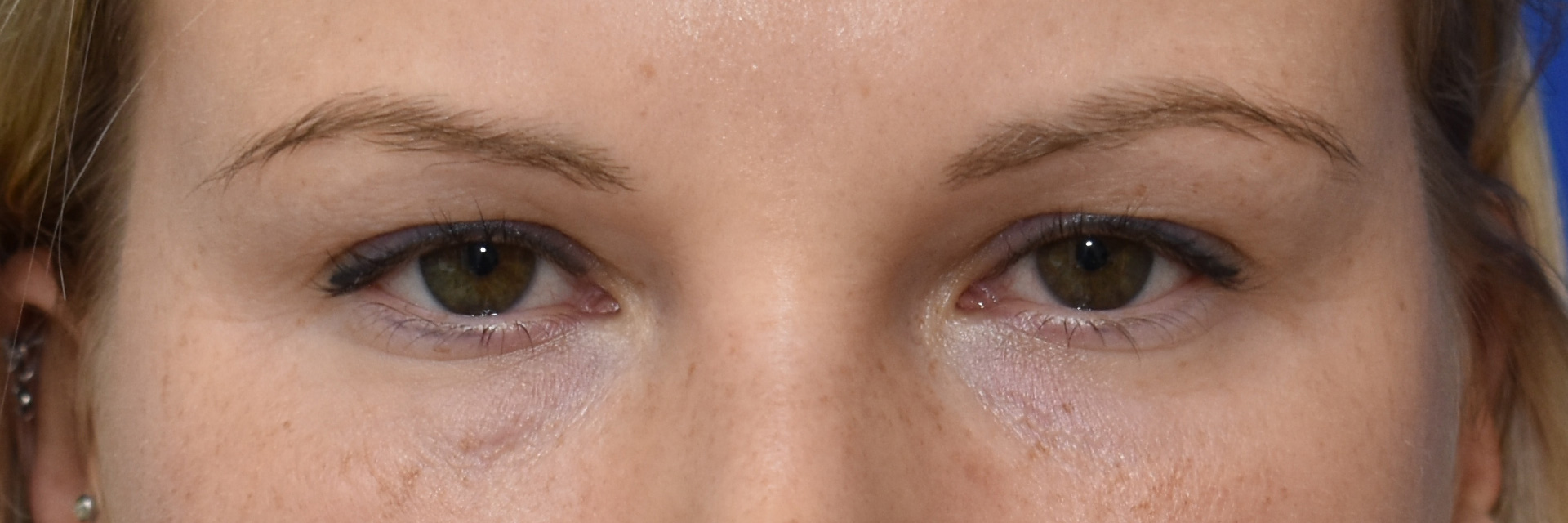
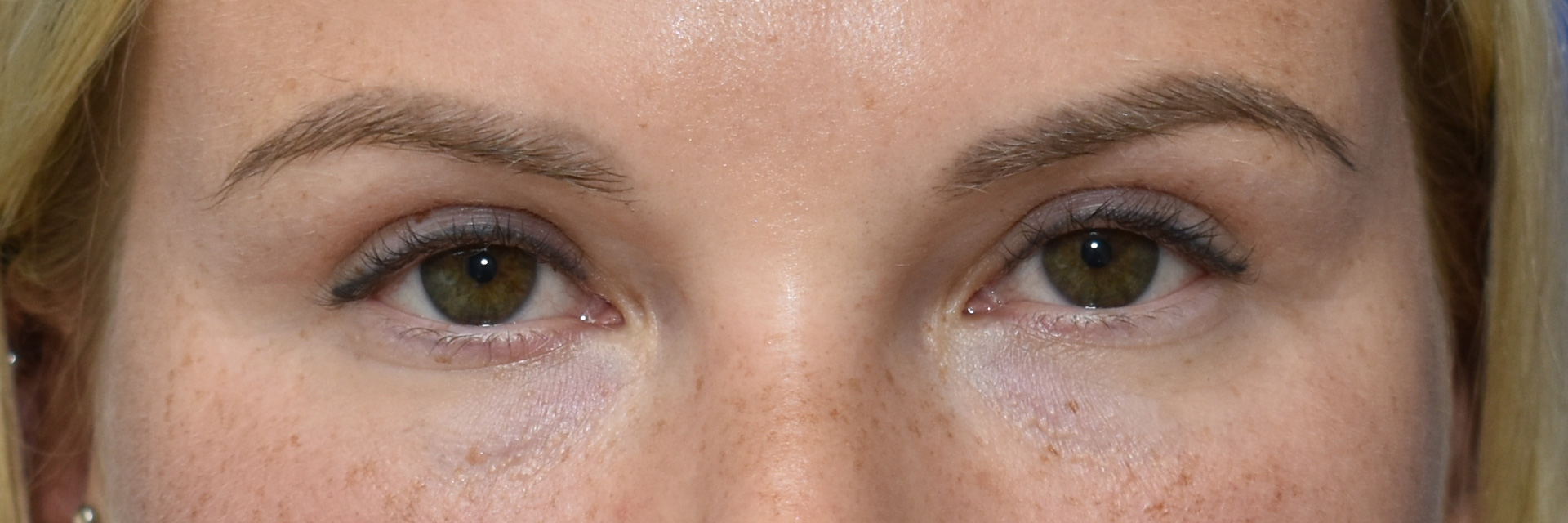
Drag the slider to compare before and after.
- Case
- 19717
- Age
- 35 years
- View
- Looking straight ahead
- Anaesthesia
- Local or twilight sedation
Photographs of patients who have consented to publication. Every lid heals differently; a result shown here cannot be transferred to anyone else.
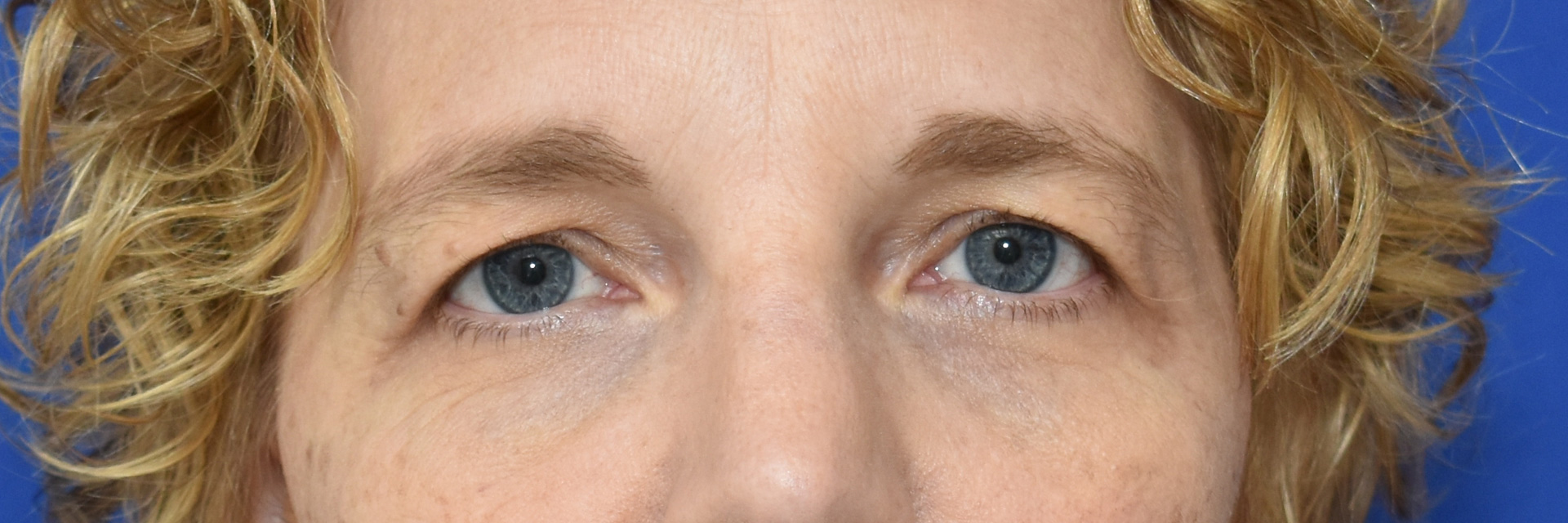
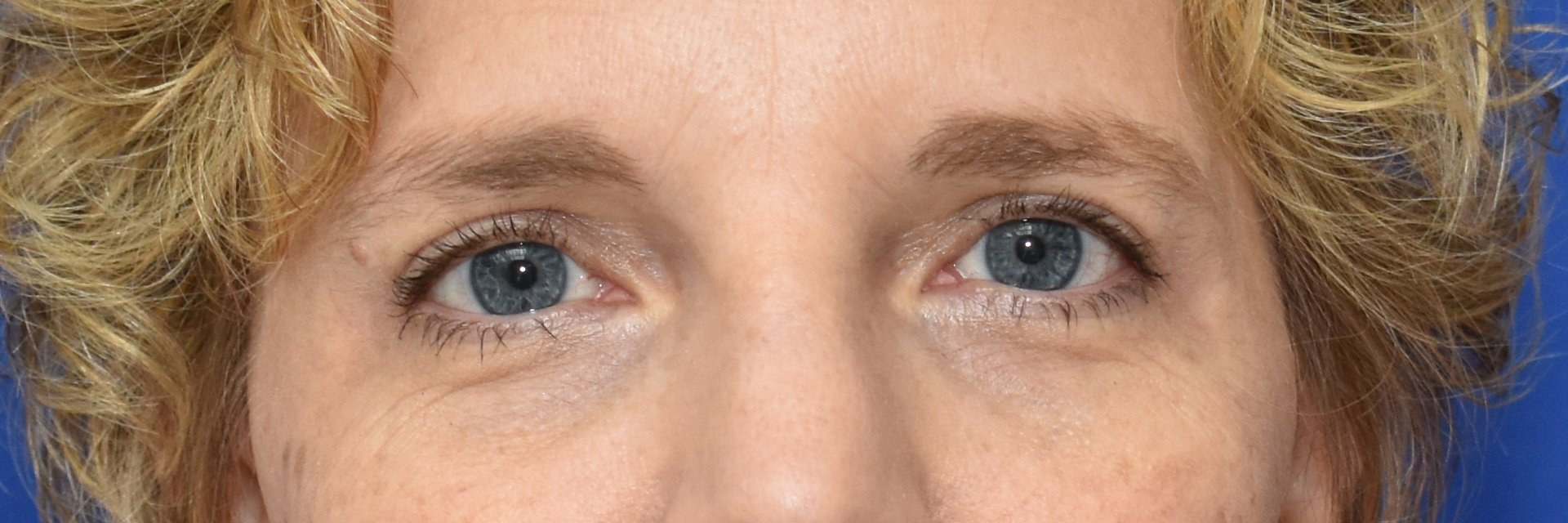
Drag the slider to compare before and after.
- Case
- 13359
- Age
- 46 years
- View
- Looking straight ahead
- Anaesthesia
- Local or twilight sedation
Photographs of patients who have consented to publication. Every lid heals differently; a result shown here cannot be transferred to anyone else.
More cases from the Kuzbari Centre
Every case comes from a patient of this centre. The findings and the procedure are given below each pair, so you can judge what was done and what was not.
- Case 19502
before 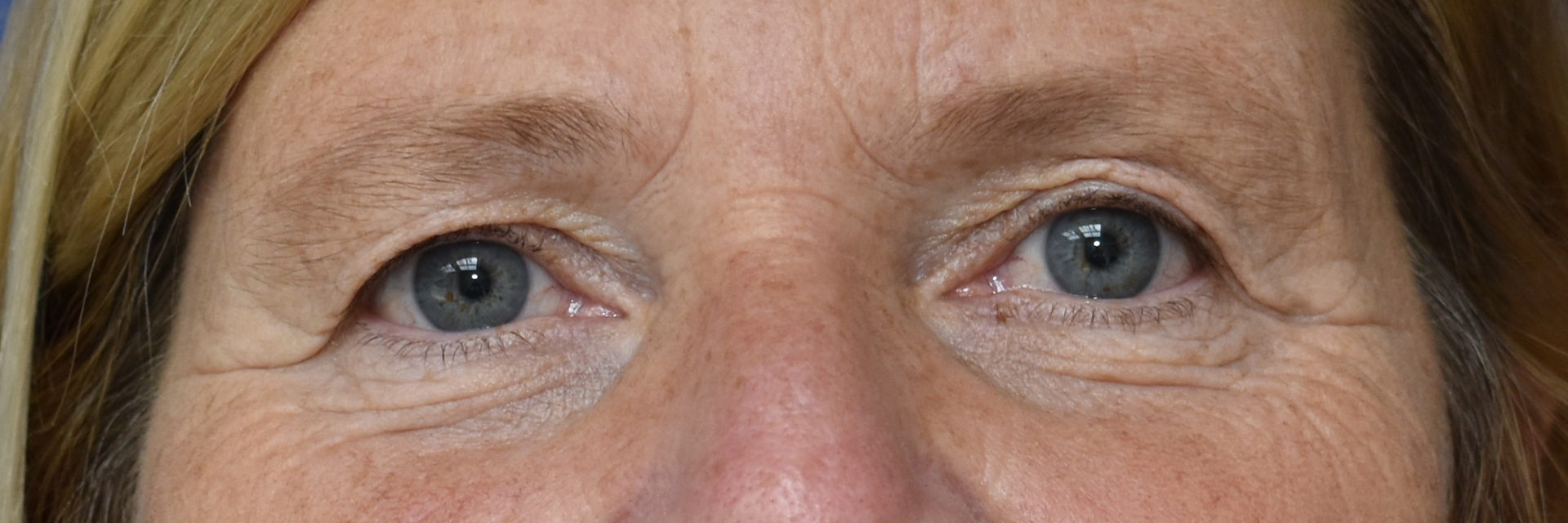
after 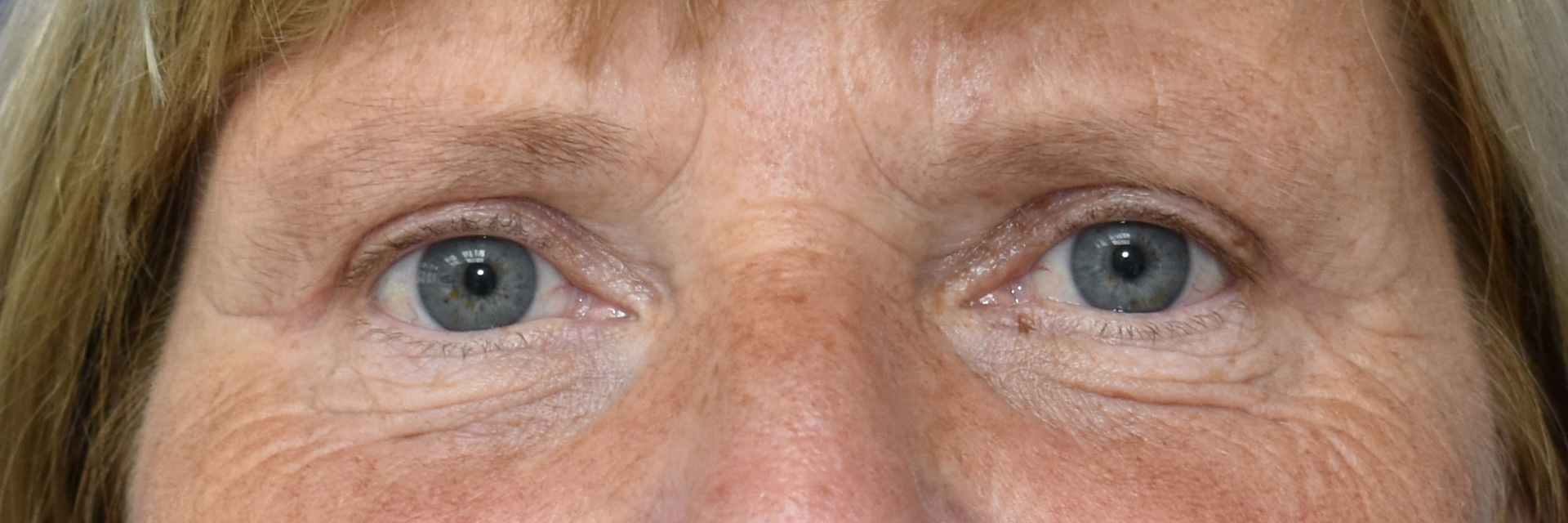
Findings: Increasing excess skin on both upper lids, more pronounced in the evening and when tired. Procedure: Upper eyelid blepharoplasty and internal brow pexy.
- Case 20330
before 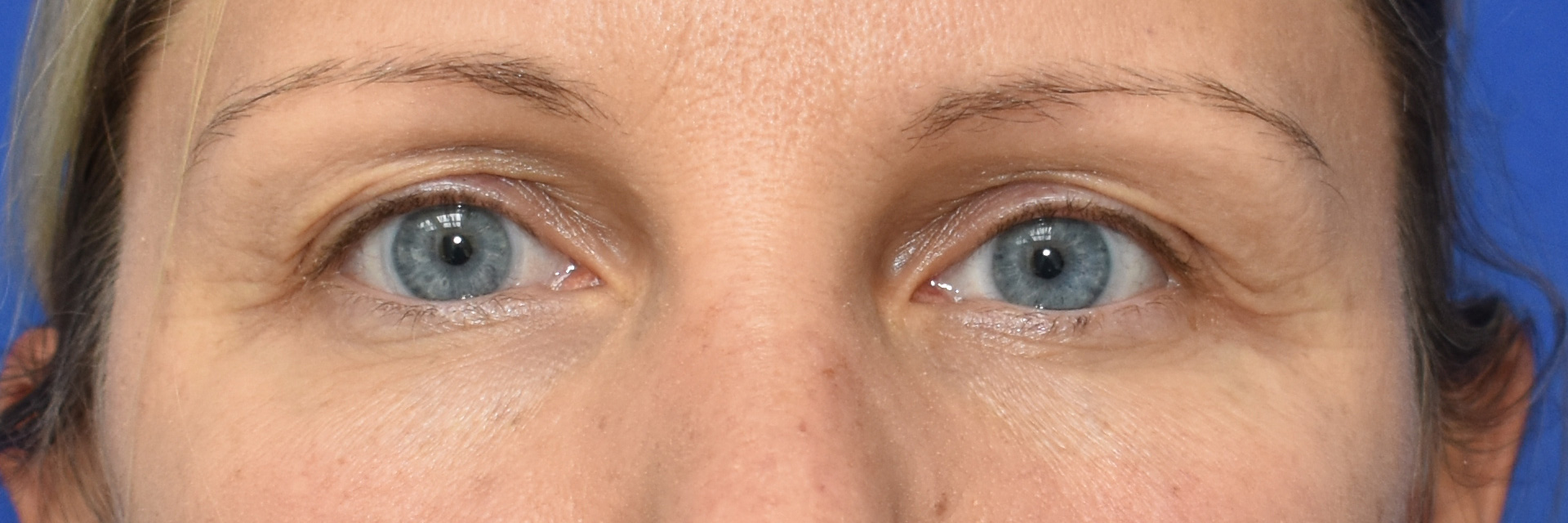
after 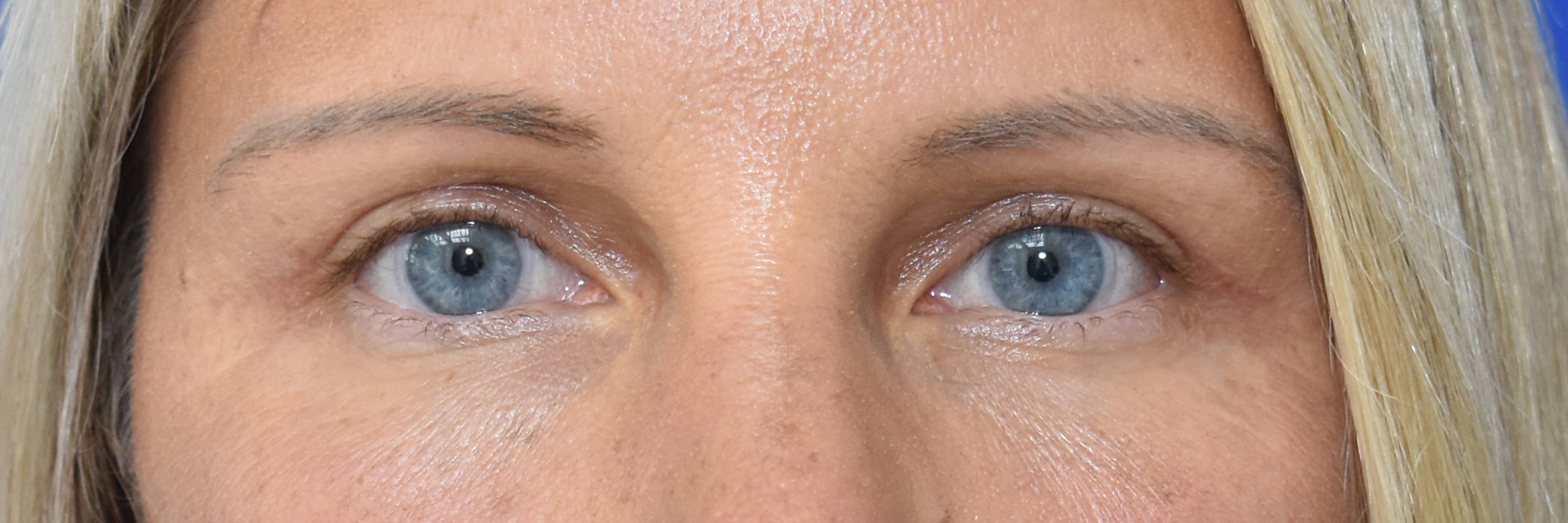
Findings: Increasing excess skin on both upper lids. Procedure: Upper eyelid blepharoplasty and internal brow pexy.
- Case 19957
before 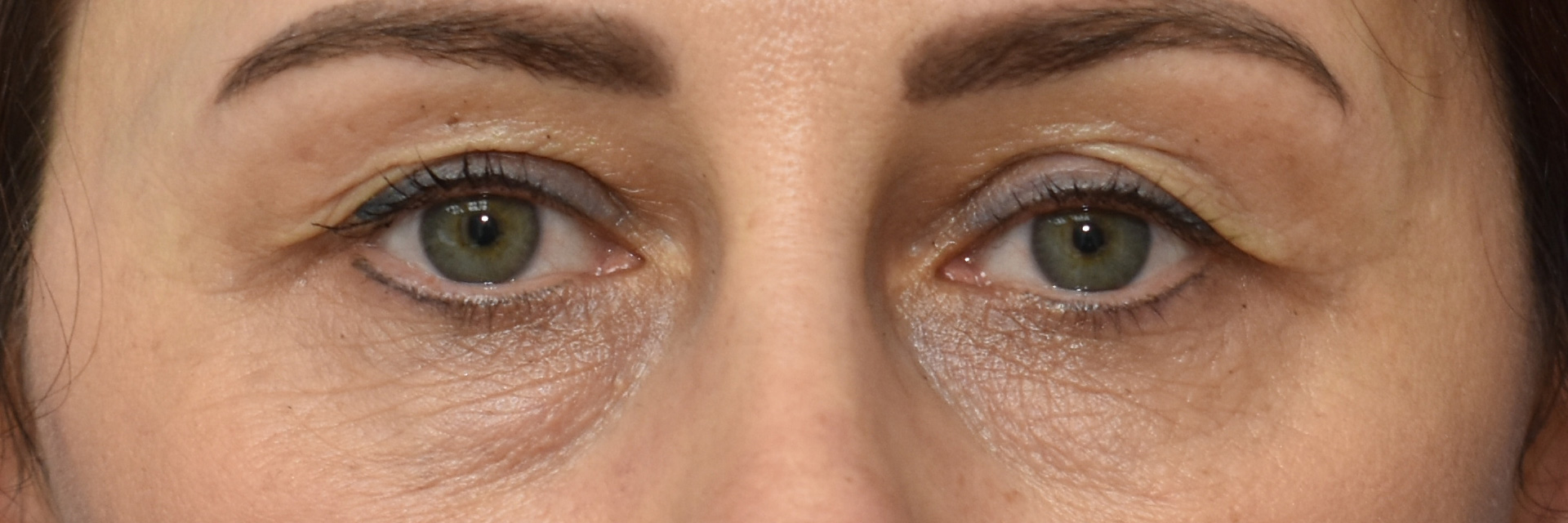
after 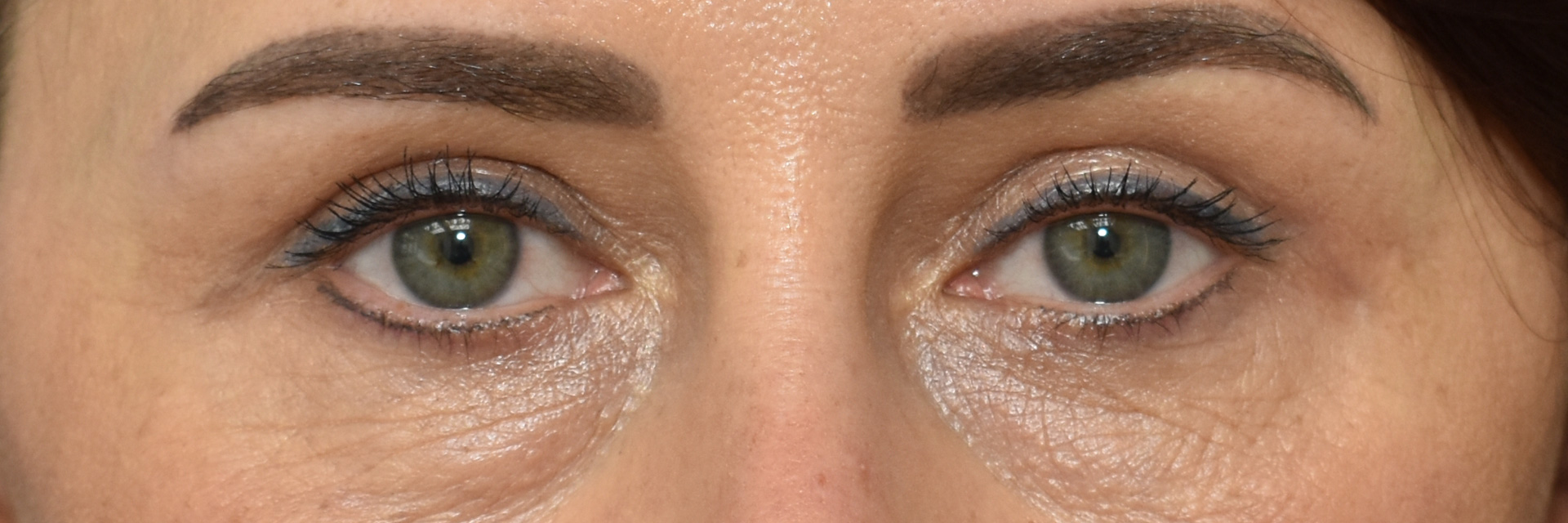
Findings: Hooded lids of long standing, noticeably more pronounced in the morning. Procedure: Upper eyelid blepharoplasty.
- Case 18797
before 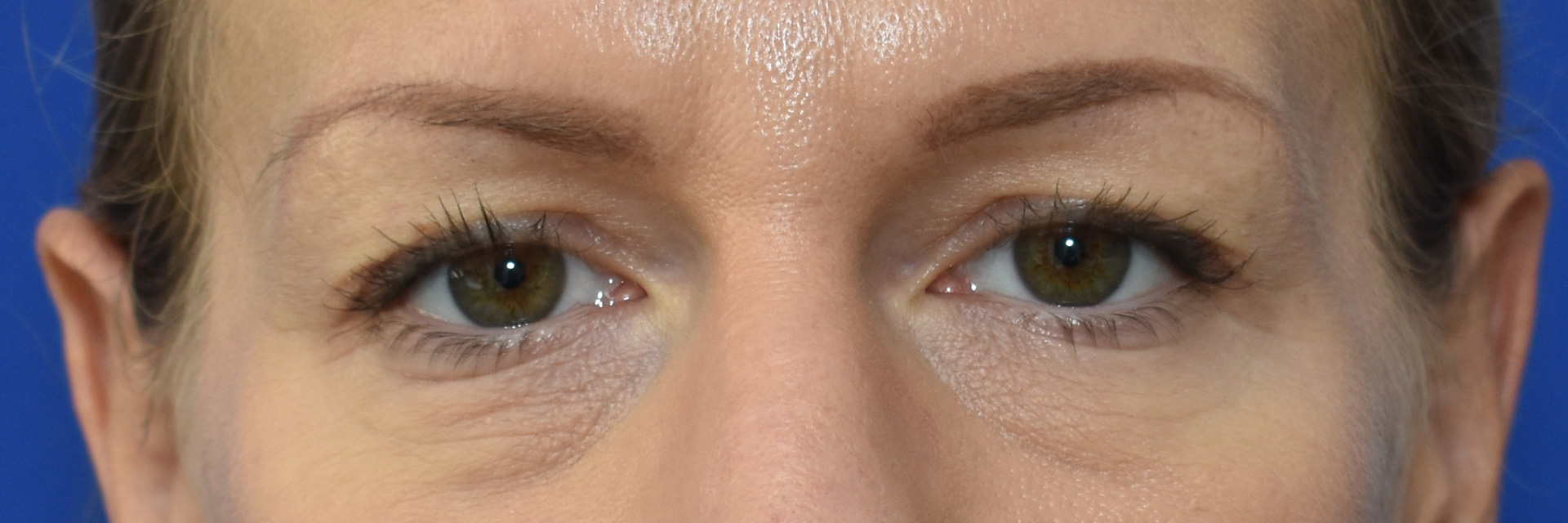
after 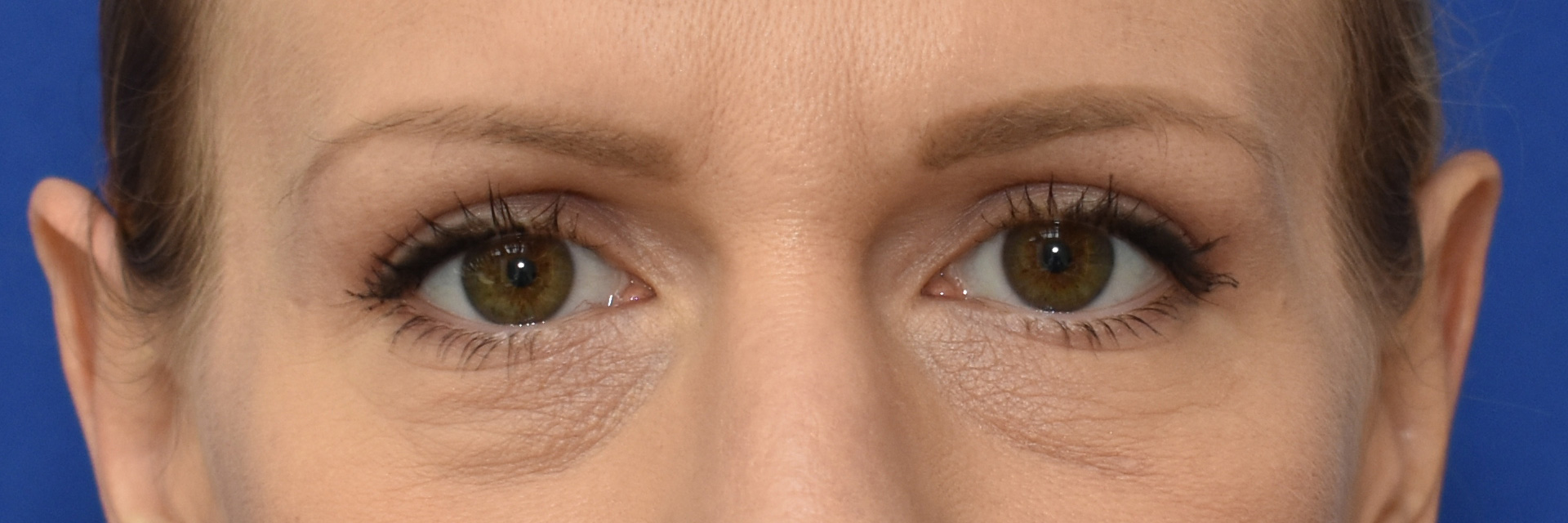
Findings: Excess skin on the upper lids increasing over about two years, more marked after long sleep and on stressful days. Procedure: Upper eyelid blepharoplasty.
- Case 22988
before 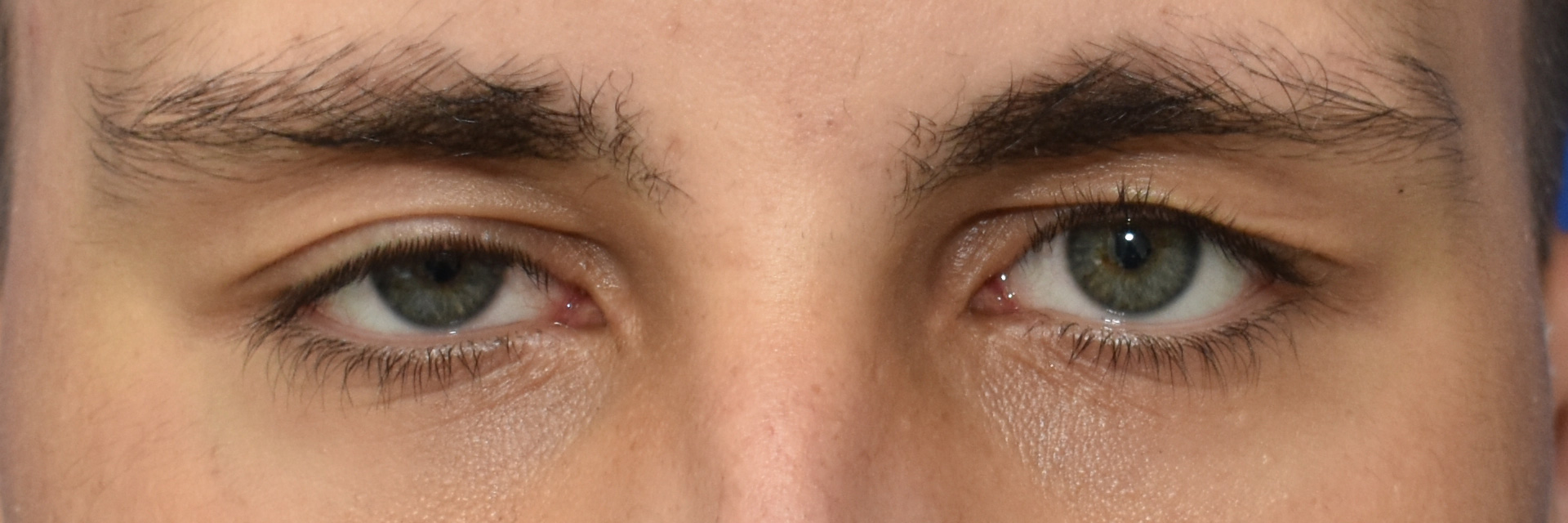
after 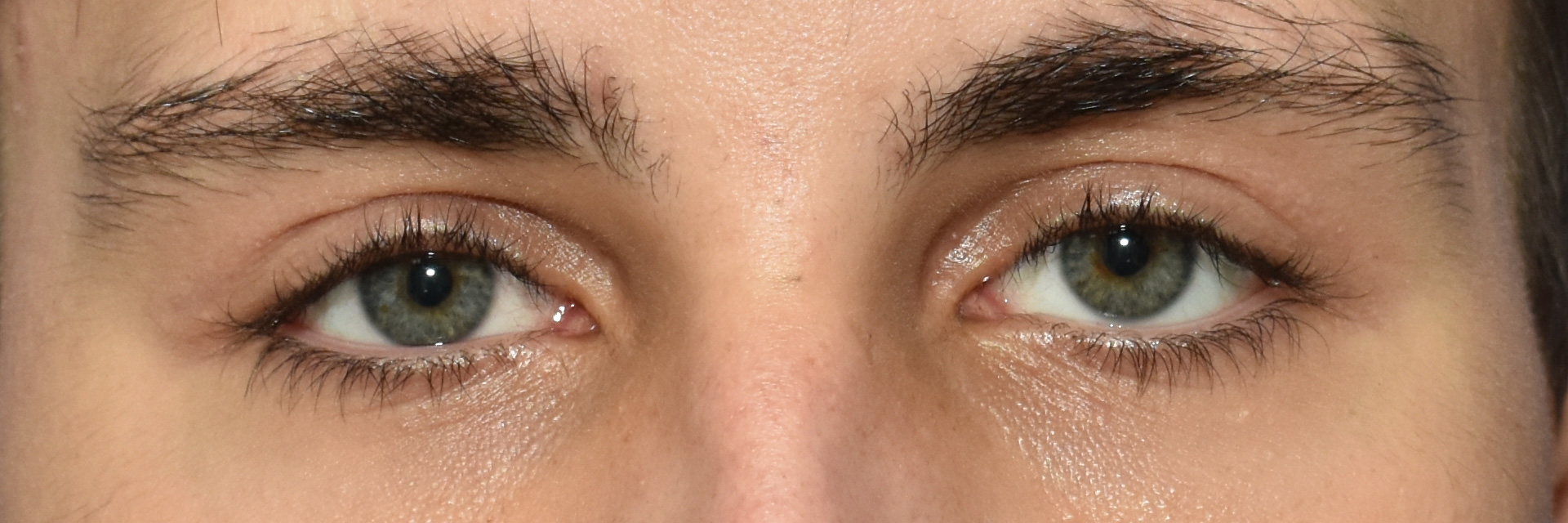
Findings: Asymmetric lids: the right lid sat lower, more so towards evening, and had worsened after losing about 15 kg. Procedure: Correction of the drooping lid by levator reinsertion plus bilateral upper eyelid blepharoplasty.
- Case 19539
before 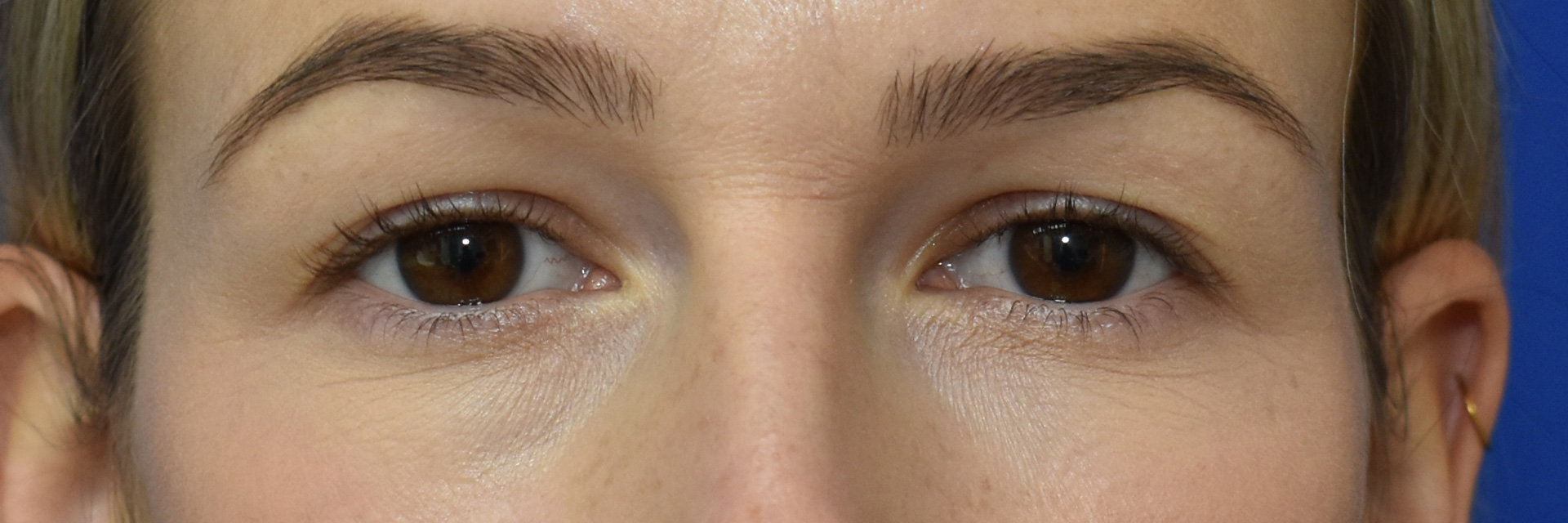
after 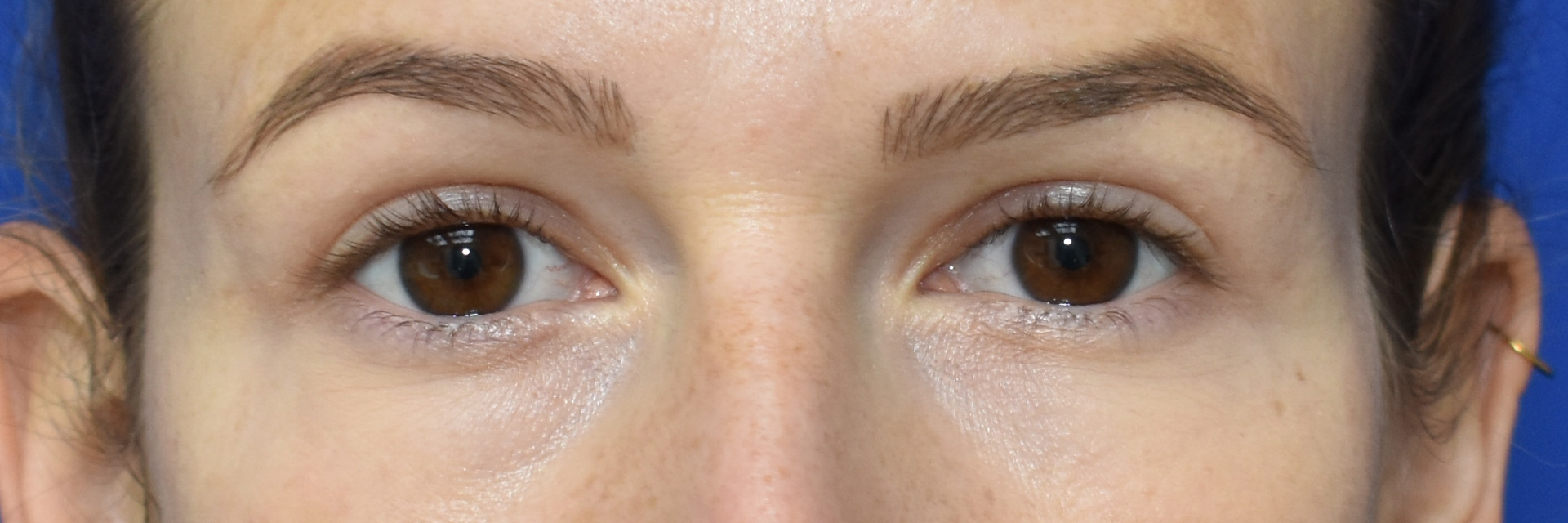
Findings: Pressure on the upper lids and tension across the forehead, because she constantly furrowed her brow at the screen. Procedure: Upper eyelid blepharoplasty.
Photographs of patients who have consented to publication. Every lid heals differently; a result shown here cannot be transferred to anyone else.
A very competent and friendly doctor. Thorough advice. The result exceeded my expectations. From beginning to end everything simply fitted.
Who operates on eyelids at the Kuzbari Centre
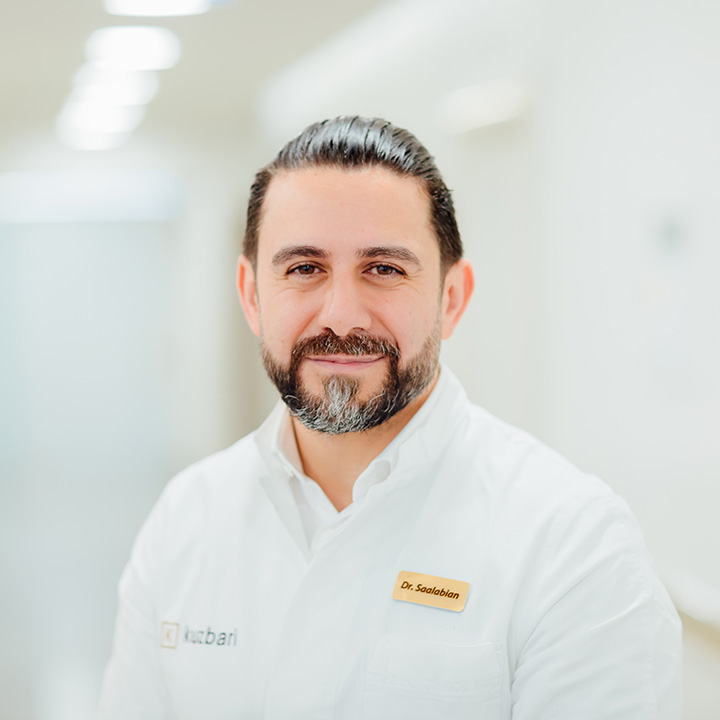
Three specialists at the centre operate on eyelids. Whoever advises you also operates on you — and sees you again at every check-up. You choose who you feel most comfortable with.
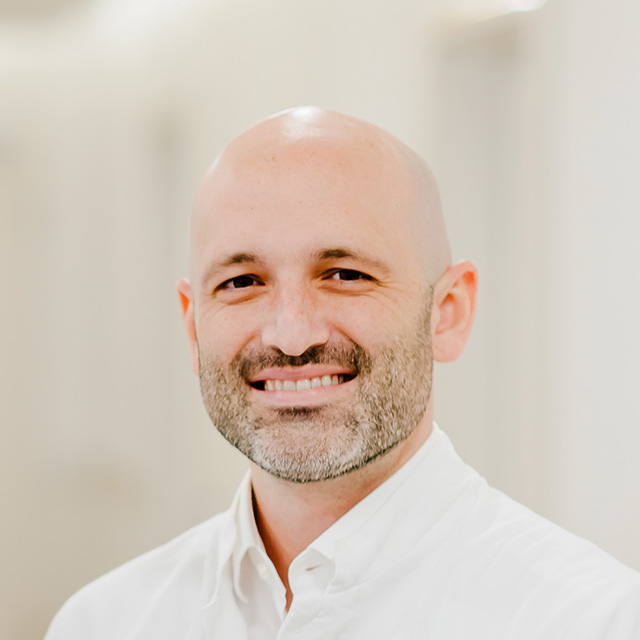
Focus on facial surgery, several times an award winner of the Austrian Society for Aesthetic Surgery. He operates on both upper and lower lids and measures his work by a result nobody recognises as surgery.
View profile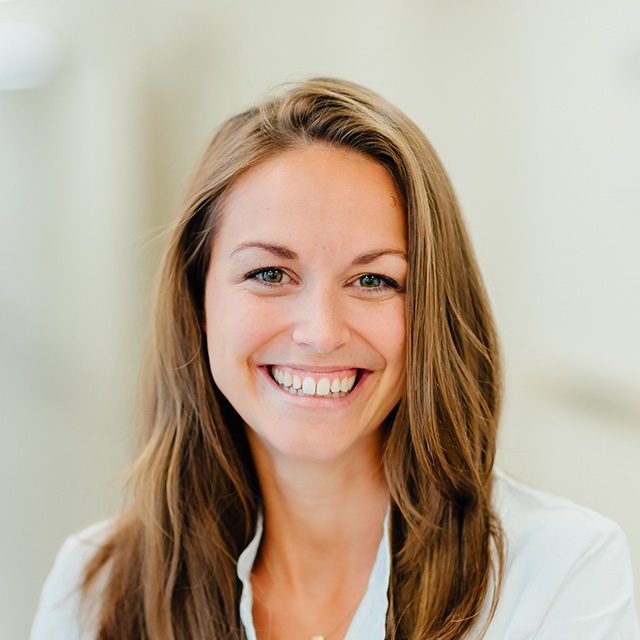
She works on the face only, combining surgical precision with a fine sense of what a single millimetre at the lid changes.
View profile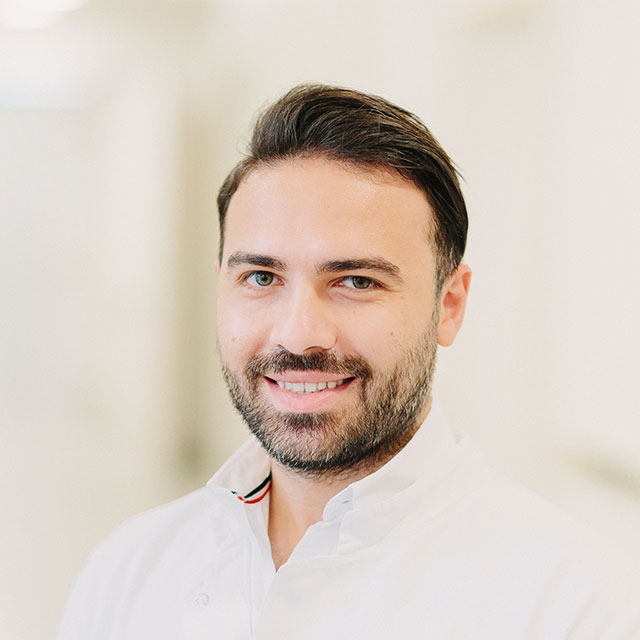
He combines international training with a treatment plan drawn up for each patient. Alongside eyelid surgery, facelifting and wrinkle treatment are his focus.
View profile- First consultation with photo analysisincluded
- Diagnostics and surgical planningincluded
- Operation in our own theatresincluded
- Local anaesthesiaincluded
- Suture removal and scar adviceincluded
- Every follow-up appointmentincluded
Through Kuzbari Finance over up to five years, 9.99% annual percentage rate. The binding terms are set out in your application.
Frequently asked questions about the upper eyelid lift
What does an upper eyelid lift cost?
From €2,600, all inclusive: consultation, operation, local anaesthesia, suture removal and every follow-up appointment. If a lower eyelid lift is added, the price starts from €4,400. The binding figure is set out in writing after the examination.
Where does the incision run?
In the natural lid crease and, where the slackening is extensive, a few millimetres beyond the outer canthus. The fine scar therefore lies in the crease and usually becomes invisible over time.
How long does the result last?
The skin removed does not come back, but the face goes on ageing. Most patients are satisfied for many years. We do not promise a particular period — how long it lasts depends on your skin and your way of life.
From what age does an upper eyelid lift make sense?
There is no fixed age. Most of those affected are over forty, but some people had little visible upper lid skin even as teenagers. What matters is the findings, not the year of birth.
What is the difference between a hooded lid and a drooping lid?
With a hooded lid it is the skin that falls over the lashes; the lid margin sits normally. With a drooping lid — ptosis — the levator muscle is weak and the lid margin itself sits too low. Then the muscle is worked on as well.
Does the operation hurt?
The procedure takes place under local anaesthesia, with twilight sedation if you wish. You are given painkillers for the days afterwards; most people need them only on the day of surgery.
How long will I be off work?
Medically most people are fit for desk work again after three days. Anyone whose work puts them in front of people does better to allow one to three weeks, until the swelling and discolouration have gone down.
Can an upper eyelid lift be combined with a brow lift?
Yes, and often that is exactly the right route. If the brow has descended, an eyelid lift alone would not relieve the lid. Brow fixation (€790) and a brow lift (€1,390) are additional modules.
Will I look different afterwards?
The aim is expressly that you look fresher and not different. That is why we ask for photographs from your youth: they make it possible to rejuvenate without changing the type. With the right technique the natural shape of the eye is preserved.
Do I have to stop anything beforehand?
Which medicines you stop beforehand is settled at the consent consultation; blood-thinning drugs are among them. The Kuzbari Safety Check clarifies this in good time before the date.
Read on
Eyelid lift at a glance · Lower eyelid lift · Correcting hooded lids · Removing eye bags · Eyelid ptosis · Cat eye and fox eye lift · How your eyelid lift works · Cost · Private or public · Experiences · Videos
Your eyelid check-up
About an hour of time, professional photographs, an examination of your lid region, a look at photographs of you as a young adult and a written quotation — without obligation and without pressure.
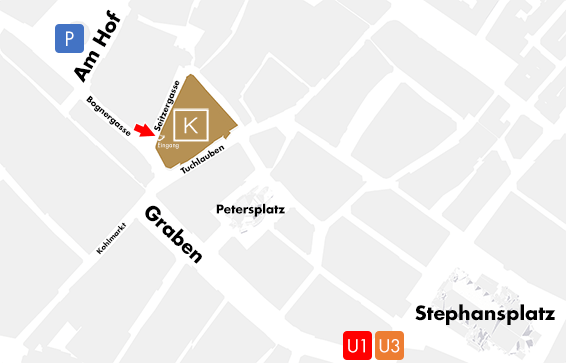
Monday to Friday, 08:00 to 18:00 · Seitzergasse 2-4, 1010 Vienna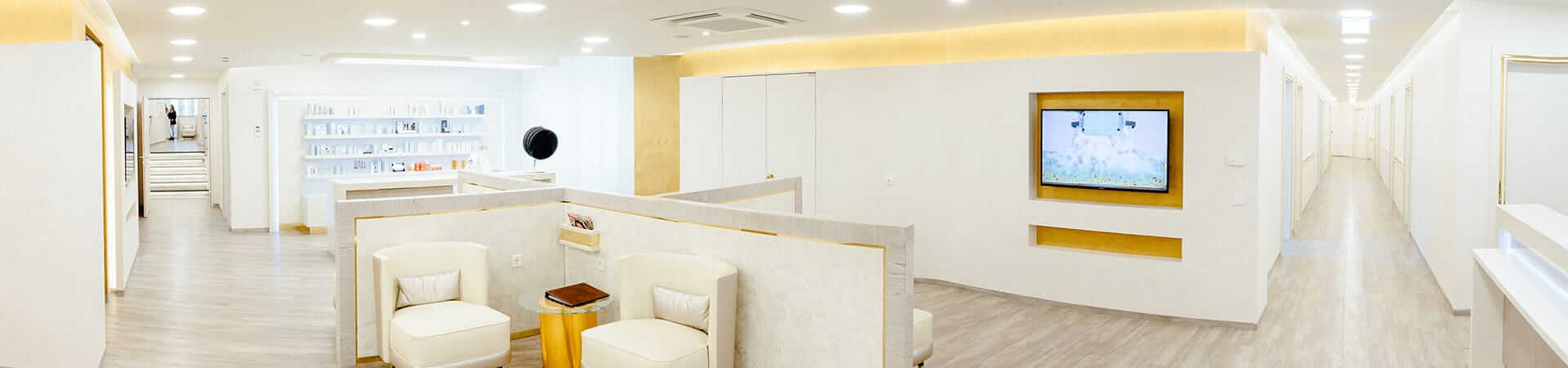
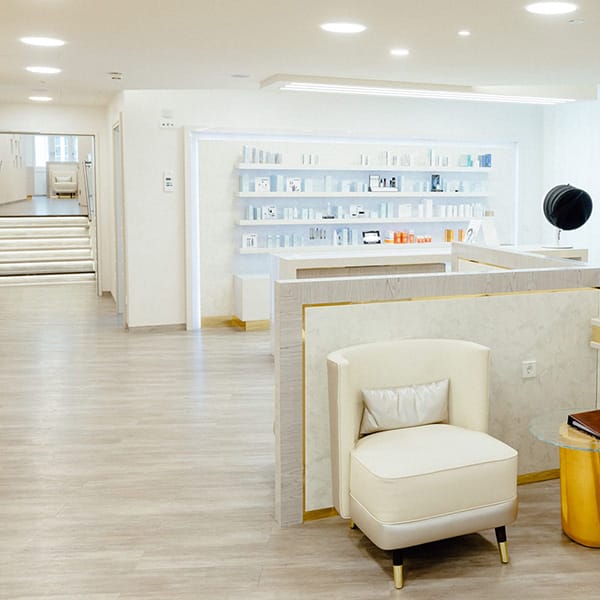


 01 358 28 01
 Book now