














Photopeel
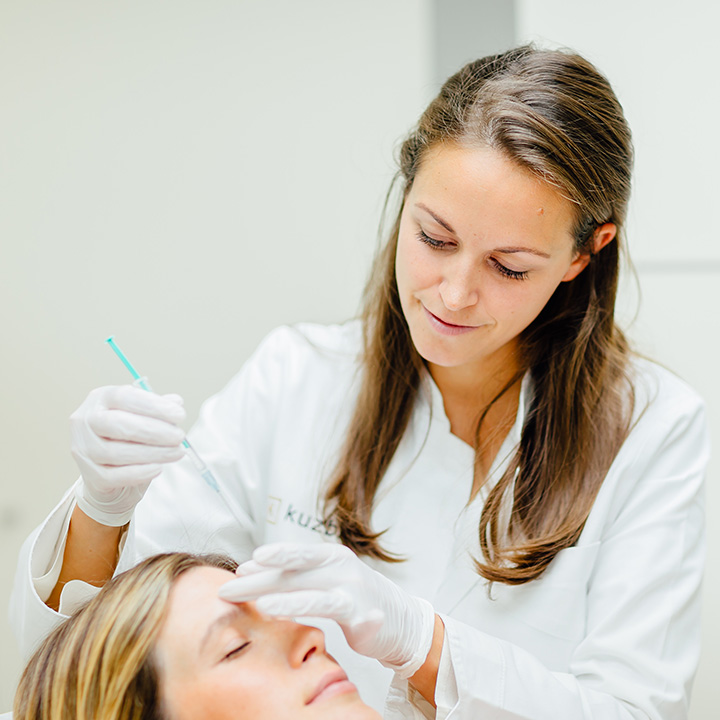
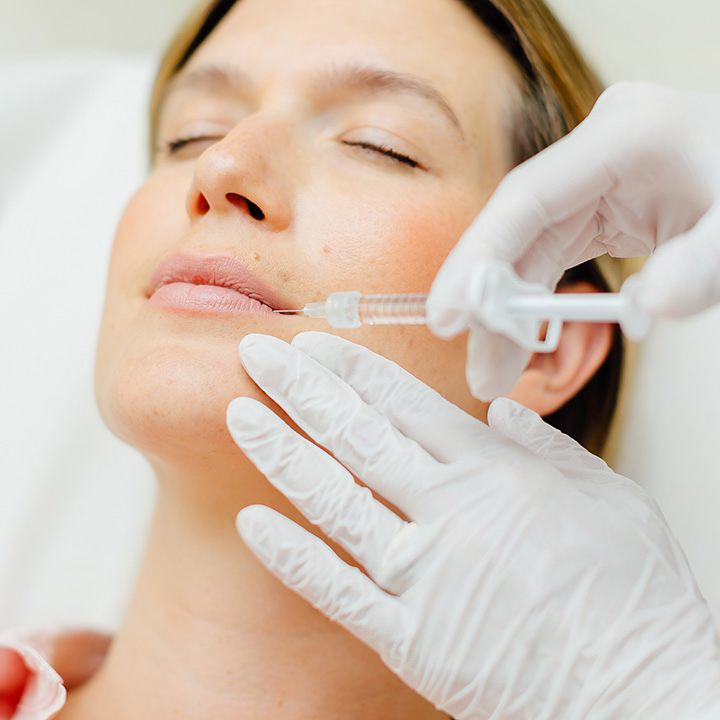
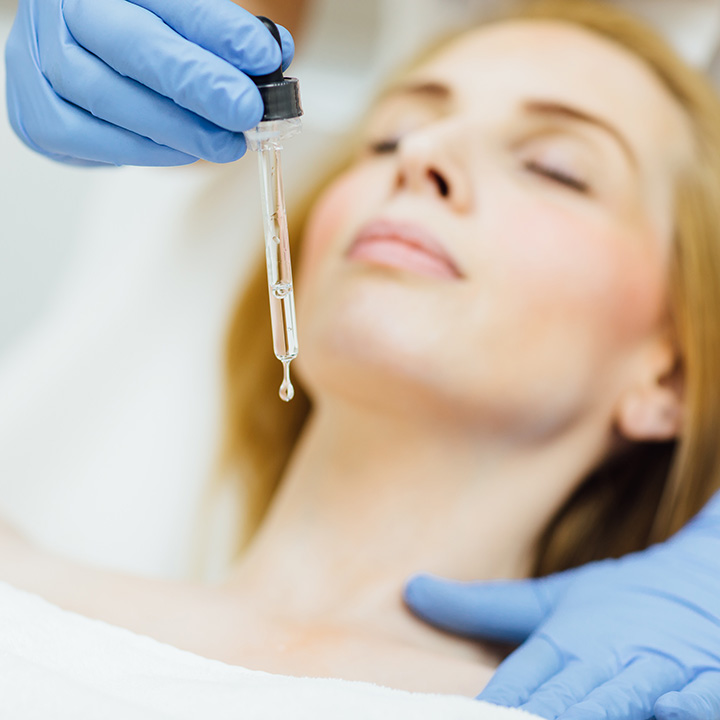
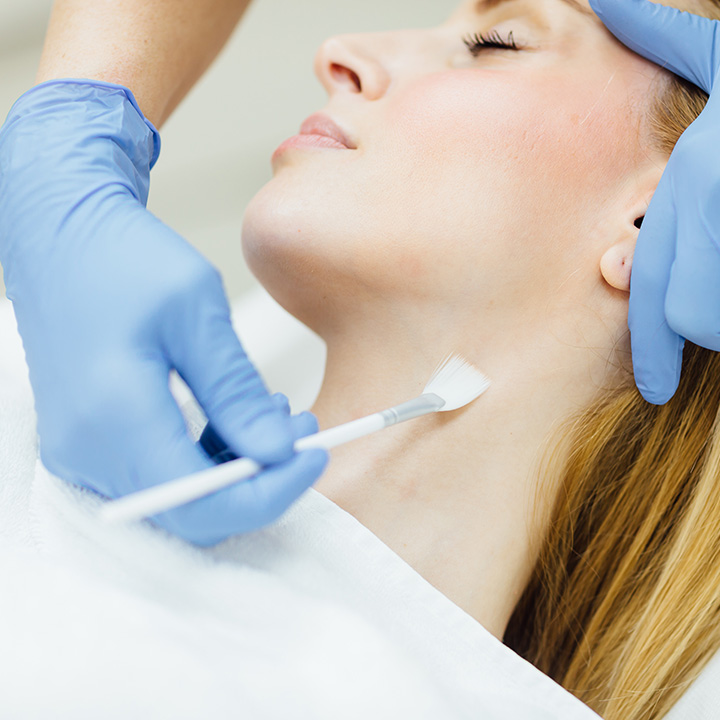
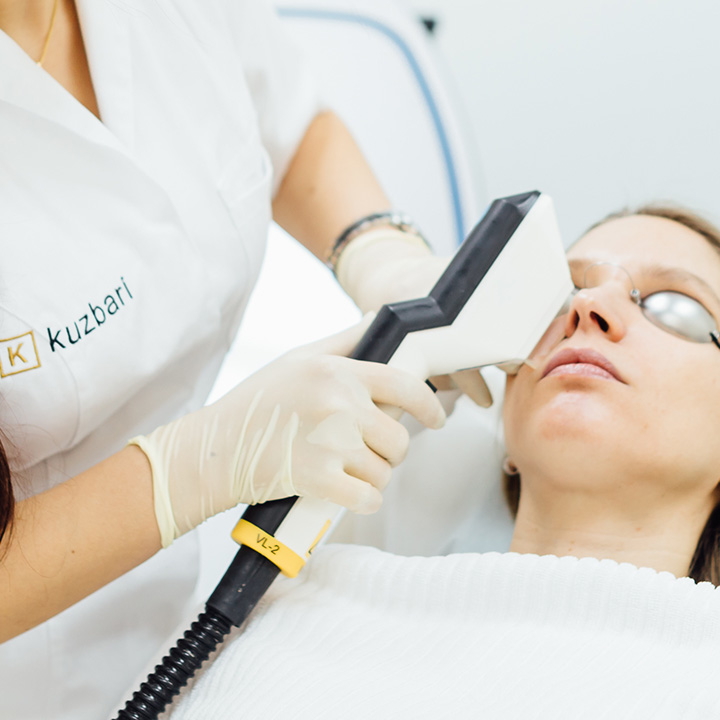
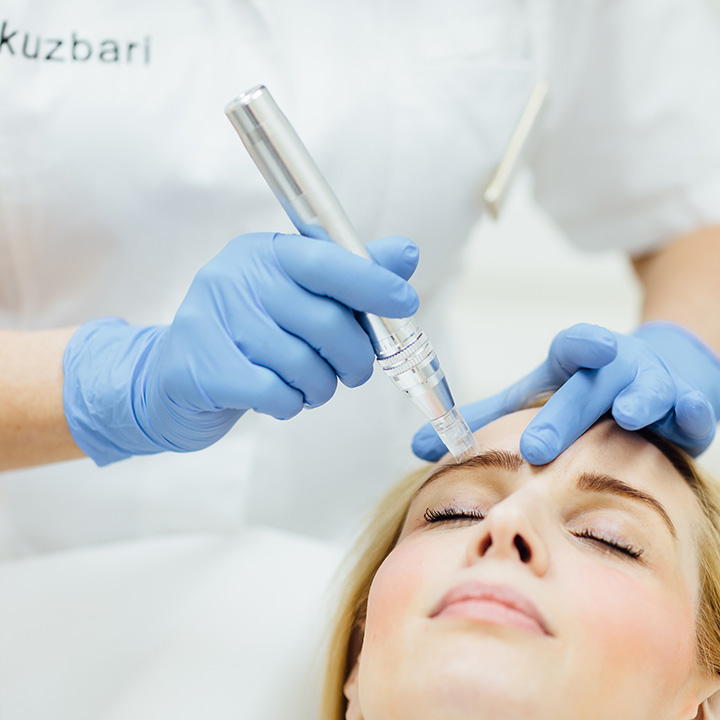
The Photopeel is an innovative facial treatment that combines the positive properties of two methods. The skin, prepared with a special flash of light, undergoes a mild chemical peel in the same session. Each of the two methods is also wonderfully suited on its own to achieving a skin-rejuvenating effect. However, the combination of the two promises the same success at a far lower dosage. The secret of this lies in the fact that the mild peel, which otherwise works only superficially, can also penetrate into deeper layers of skin thanks to the pre-treatment. In addition the regeneration time, that is to say the time until the desired result, can be kept quite short through the unique combination.
The Photopeel is suitable for
- refreshing tired and dull-looking skin
- treating acne
- lightening pigmentation spots
- reducing superficial fine lines
- reducing UV damage
Advantages of the Photopeel
- the maximum result with the minimum possible regeneration time
- both methods are used at a lower dosage
- fewer side effects thanks to the combination
The most important facts
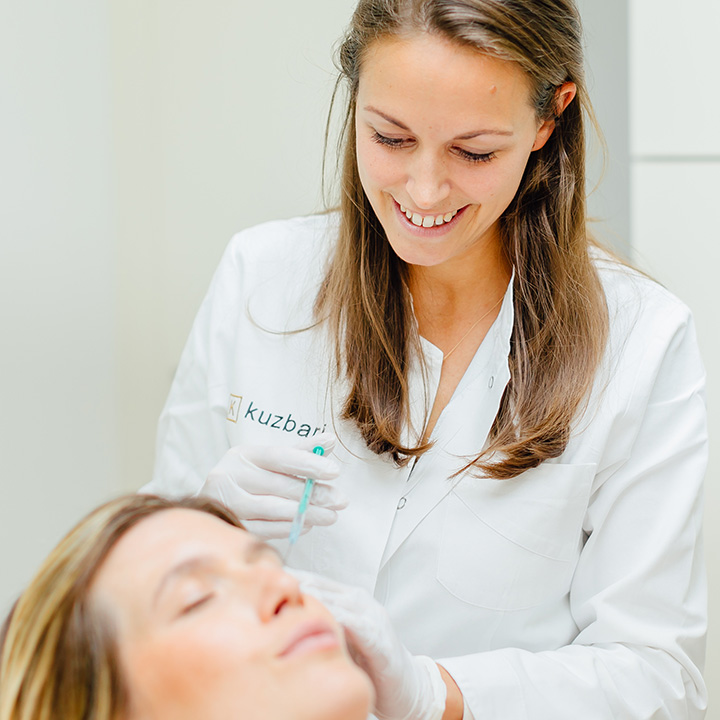
Our dermatologist Mag. Dr. Elke Janig learned the Photopeel, which was developed in Italy, on site there and now offers the unique method at the Kuzbari Centre for Aesthetic Medicine.
The treatment takes about an hour and is felt by most patients to involve little pain. In isolated cases a burning feeling can occur during the peel, but it disappears quickly and can be almost completely eliminated by locally anaesthetising creams or painkillers.
During pregnancy, while taking light-sensitising medication and with certain underlying conditions, a Photopeel cannot be carried out.
Phases of the rejuvenating regeneration
Depending on the strength of the treatment, which in turn depends on the desired effect, the regeneration time is two to ten days. It is divided into 3 phases:
- Inflammatory phase: After the Photopeel patients leave the practice with reddened skin. During the first days after the treatment this becomes dry and parchment-like and begins to flake after 2-5 days.
- Proliferative phase: Here the skin is very active, begins to build itself up afresh and sheds old layers of skin. This is noticeable from the flaking. In this phase the skin is still relatively reddened and permeable. This creates the possibility of channelling in further active ingredients.
- Maturing phase: Here the surface of the skin is already intact, while the inner skin continues to mature. That explains why the result can still improve over the following weeks.
Follow-up treatment
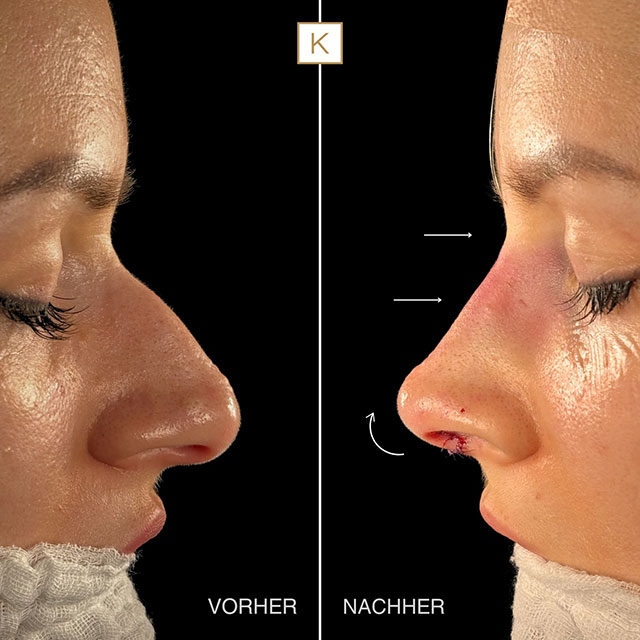
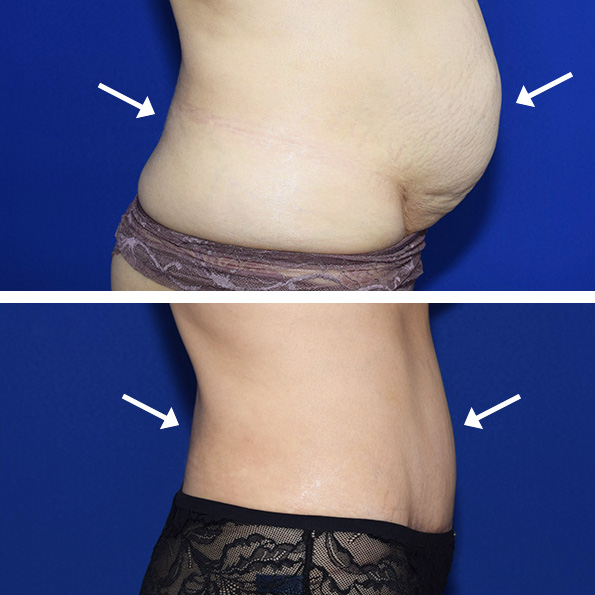
Check-ups are important. And not in short supply. That is why Mag. Dr. Elke Janig invites her patients to such check-ups on days 1, 3, 7, 14 and after two months, in order to follow the healing process and assess the result. This is visible after about two weeks, but continues to improve over the following weeks and in the ideal case lasts for ever. It is important to avoid strong exposure to the sun 4 weeks before and 4 weeks after the treatment and to protect the skin during this time with a high sun protection factor (SPF 50). Since the skin barrier is disturbed by the treatment, it is also more susceptible to infections during this time. The herpes virus is really dangerous. Herpes prophylaxis one day before and five days after the treatment is therefore indispensable. Photos taken before and after the Photopeel illustrate the result.
Any more questions?
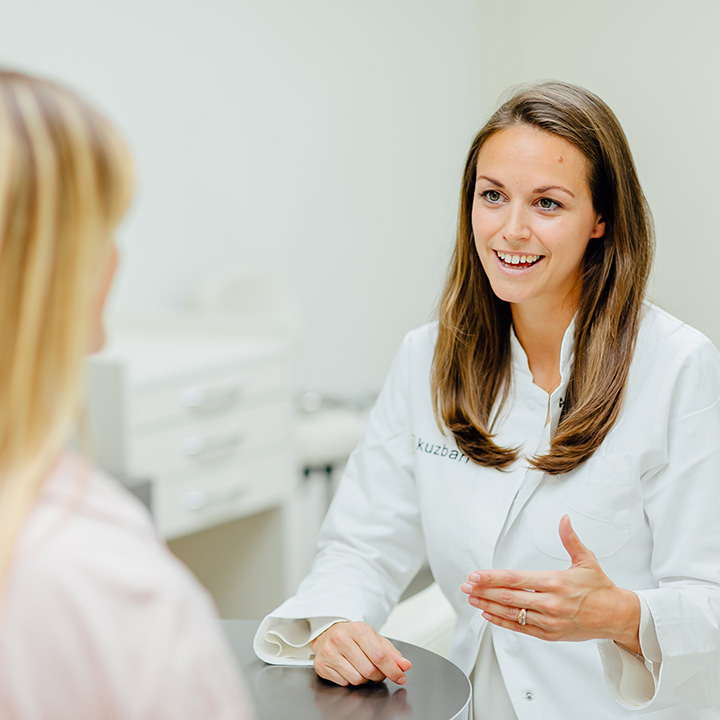
In order to be able to answer your very personal questions, we have reserved part of our time exclusively for consultations. Simply arrange your appointment on +43 1 358 28 02 or through our contact form.

 01 358 2828
 Book now