















A new trend:
autologous fat as a filler
Until now, loss of volume in the face has been compensated for with hyaluronic acid. Now aesthetic surgeons are increasingly turning to autologous fat. New injection techniques deliver far better results.
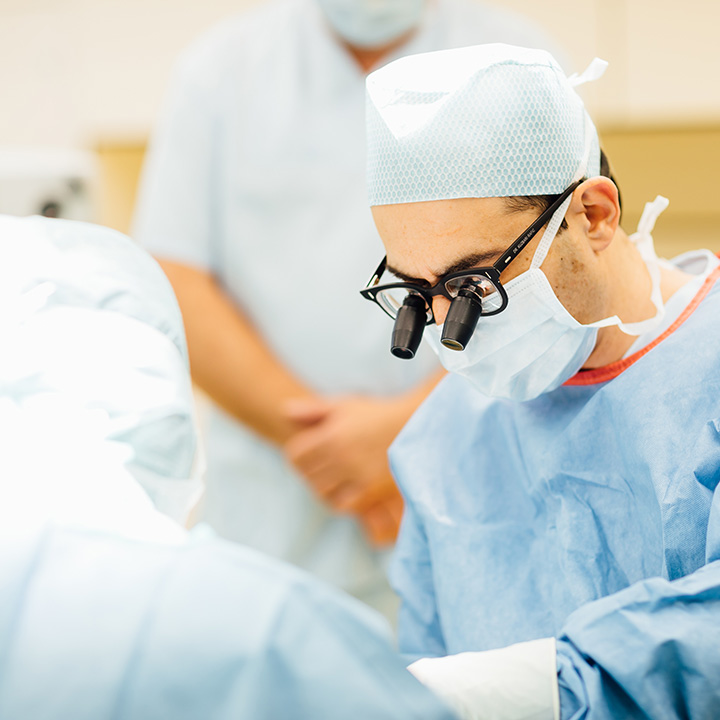
You take it away where there is enough of it and fill it in where something is missing: the principle of autologous fat treatment in aesthetic medicine sounds logical, but for a long time it had its pitfalls - the body broke it down too quickly. Now, however, a new injection method is said to make autologous fat into the perfect filler. Loss of volume in the face can be compensated for just as permanently as enlargements of the breast or bottom are possible. We spoke to the plastic surgeon Dr. Rafic Kuzbari about the advantages and disadvantages of the trend.

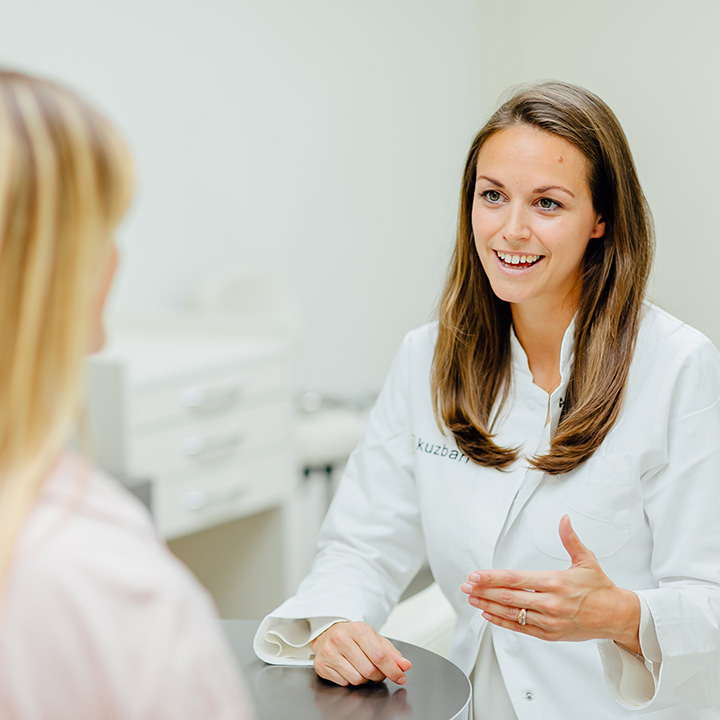
WOMAN: What exactly happens during an autologous fat injection?
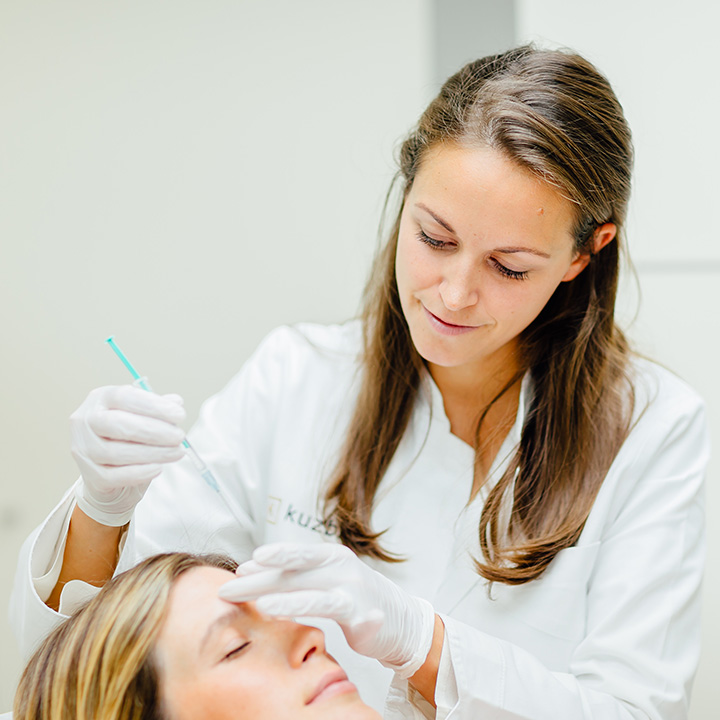
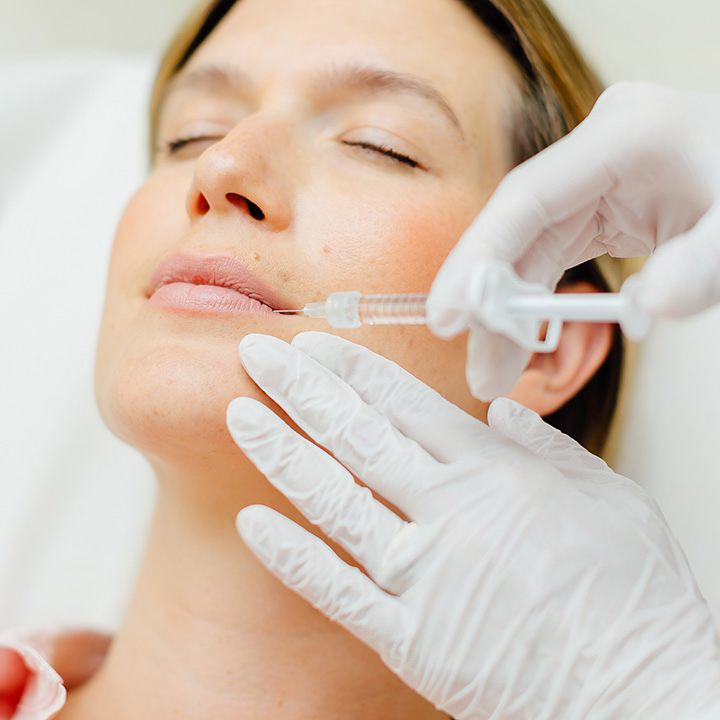
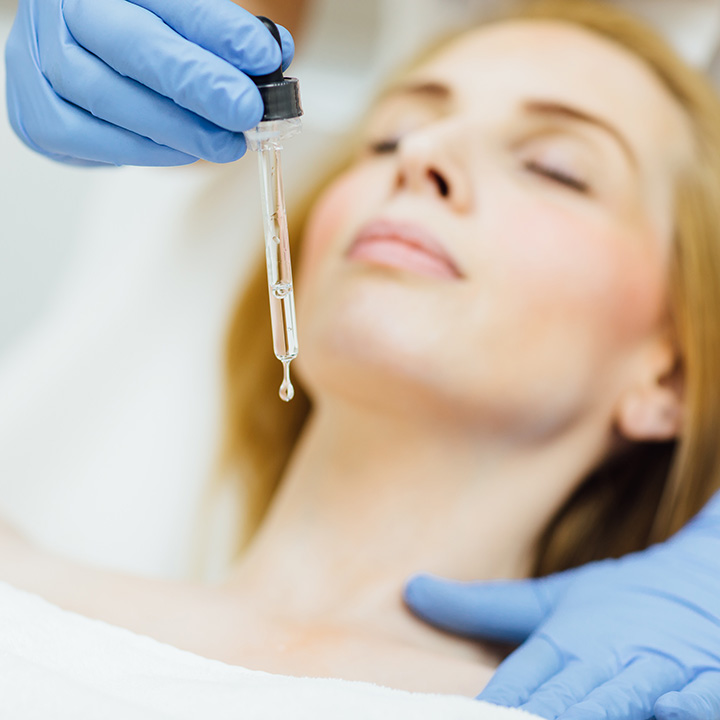
Dr. Rafic Kuzbari: fat cells are removed very gently from one place in the body, separated from blood and other fluids and then injected in very small quantities with a cannula.
WOMAN: And how long does that last?
Kuzbari: cells that have taken hold last for ever. But not all of them take hold; that varies between 30 and 80 per cent. That is why the result can only be predicted approximately.
WOMAN: Why do not all the cells take hold?
Kuzbari: injected fat cells have to be supplied with blood as quickly as possible. If that does not happen, they die off and the body disposes of them.
WOMAN: How can that be prevented?
Kuzbari: with the right injection technique. You have to inject very small quantities of fat, but an endless number of them. The smaller the point of fat in the tissue, the more quickly it is supplied, and more cells survive.
WOMAN: Where does autologous fat make sense?
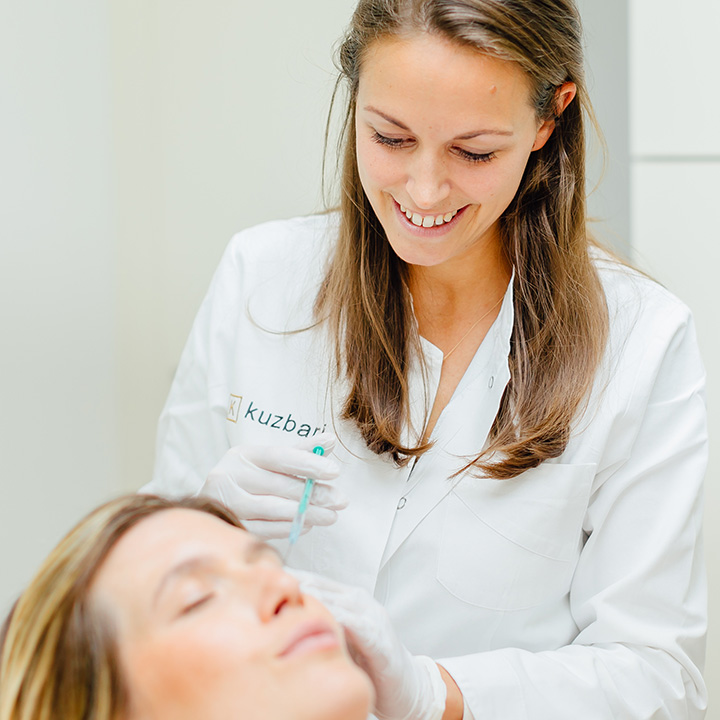
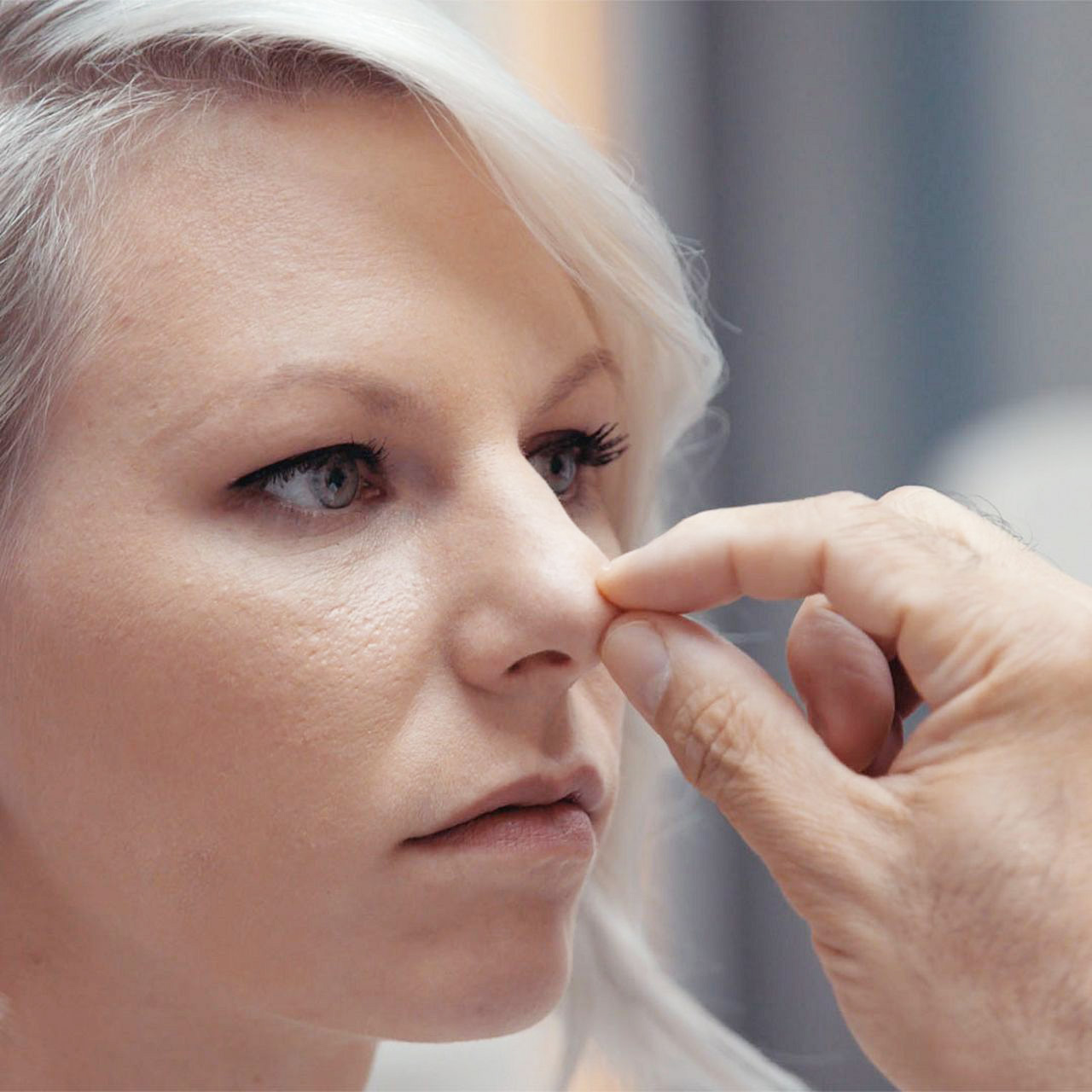
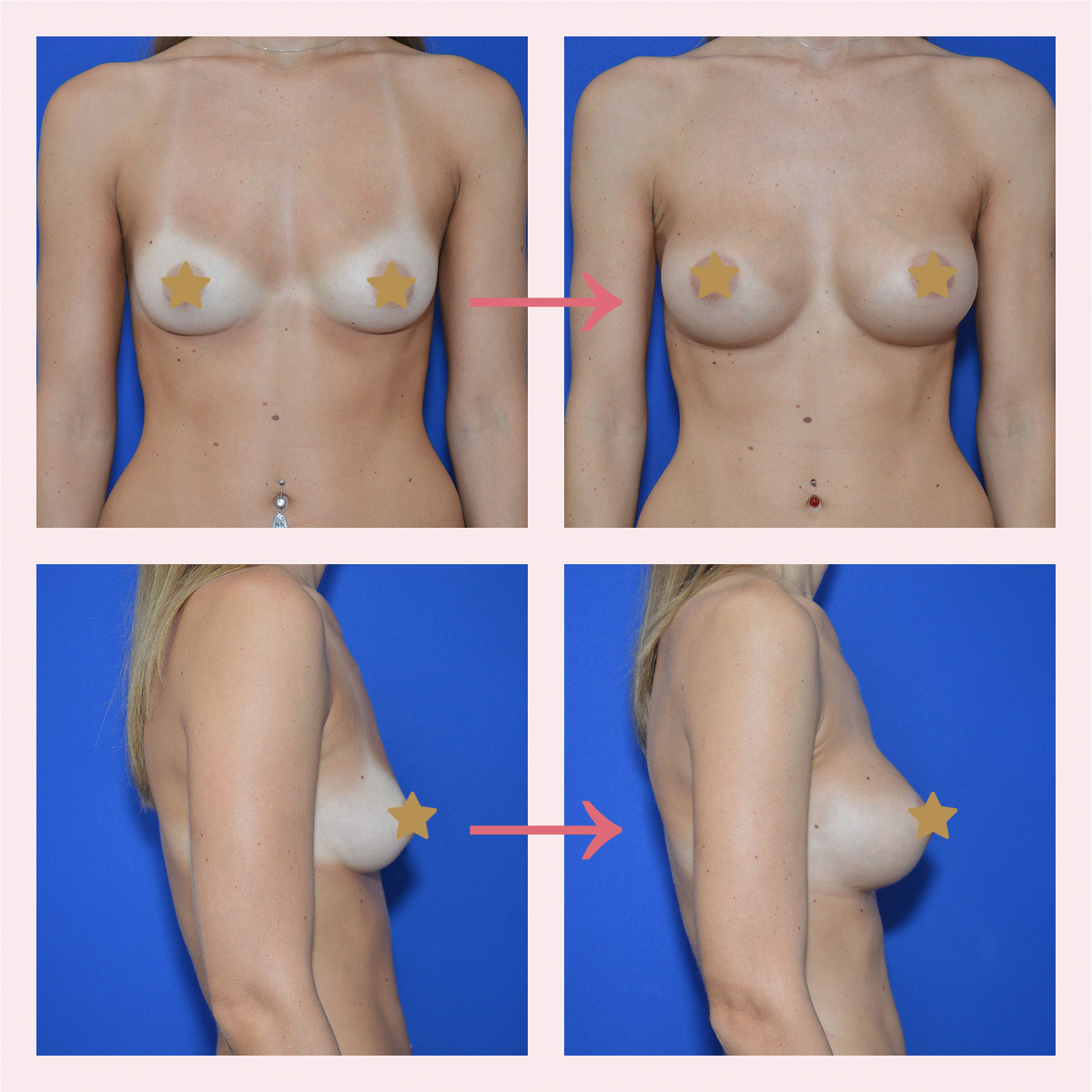
Kuzbari: everywhere you want to model. On the breast, on the bottom; scars can be injected too. In the face it is used in several places: temples, eyebrows, upper eyelids, at the transition from the lower eyelid to the cheek, in the midface, on the lips, in the nasolabial fold, on the chin.
WOMAN: Are there side effects too?
Kuzbari: the body does not reject its own tissue, and there is no encapsulation either. Dents can occur, however, if the injection was not done correctly. The final result can be seen after three to six months.
WOMAN: How long is the downtime?
Kuzbari: because of the many small punctures the face is heavily swollen and often bruised as well. It takes up to three weeks for everything to heal.
WOMAN: Are there particularly delicate places?
Kuzbari: on the lips you have to inject a particularly large amount, which is why they look huge at first. But that settles down.
WOMAN: What does the procedure cost?
Kuzbari: depending on the quantity it starts at €1,500 and goes up to €8,000.
WOMAN: What is the advantage of autologous fat?
Kuzbari: it delivers more beautiful results than hyaluronic acid and is cheaper in the medium term, since it is not broken down.
WOMAN: Is it a passing fashion or is it here to stay?
Kuzbari: the method is constantly being refined and the results are getting better and better. There is a lot of potential in autologous fat.
By Pia Kruckenhauser, published in Woman, April 2013
Arrange a consultation.
So that we can answer your very personal questions about autologous fat injection, we have reserved part of our time exclusively for consultations. Simply arrange your appointment on +43 1 358 28 02 or through our contact form.


 01 358 2828
 Book now