




















What does IPL mean?
Not only when it comes to permanent hair removal, but also with pigmentation disorders or anti-ageing treatments, you come across the term ‘IPL’ again and again alongside laser treatments. Laser is a familiar term to many people, but what does IPL actually mean? The two methods are often compared, although there are fundamental differences.

How IPL works
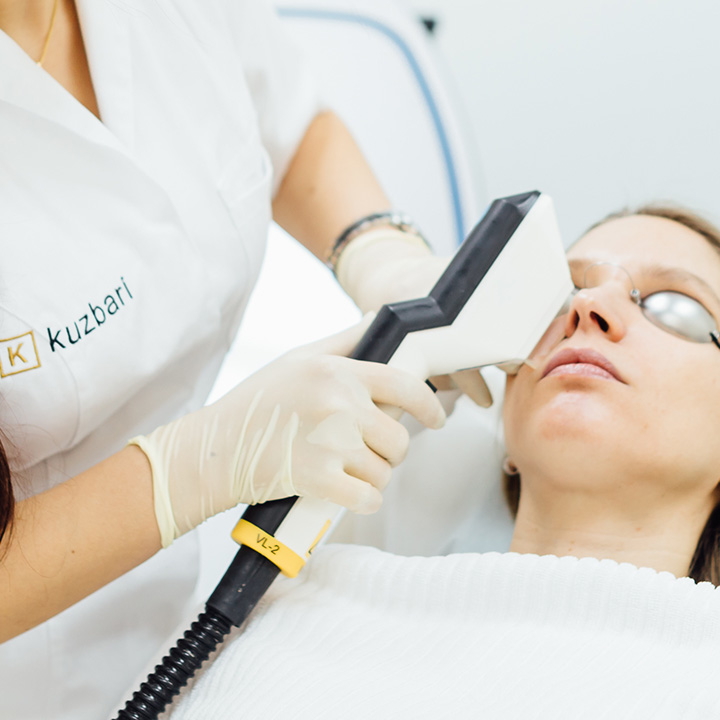
IPL written out means ‘intense pulsed light’ and is a special treatment method for permanent hair removal, skin rejuvenation and the removal of pigmentation marks. Essentially IPL is what is known as flashlight therapy.
In treatment using IPL technology the skin is exposed to high-energy, intensely pulsed light with a broad spectrum of wavelengths. This flashlight is absorbed by the dark colour pigment of the skin (melanin) and converted into heat. The heat that is created destroys excess pigment as well as hair roots. Because of the different wavelengths, IPL does not penetrate as deeply into the skin as a laser, for example, which has a fixed wavelength.
Treatments with IPL (intense pulsed light)
Treatment of age spots and pigmentation marks
With the help of IPL, light- and age-related skin damage, which often shows in the form of what are known as age spots, is remedied effectively and safely. Pigmentation marks can likewise be treated very successfully with IPL.
Couperose treatment
With the help of IPL technology, dilated vessels on the face or at other parts of the body can also be treated successfully. The flashlight is directed into the blood vessels to be treated. Blood contains haemoglobin, which absorbs the light and converts it into heat. The small veins are thereby destroyed and disappear on their own in a short time.
Permanent hair removal
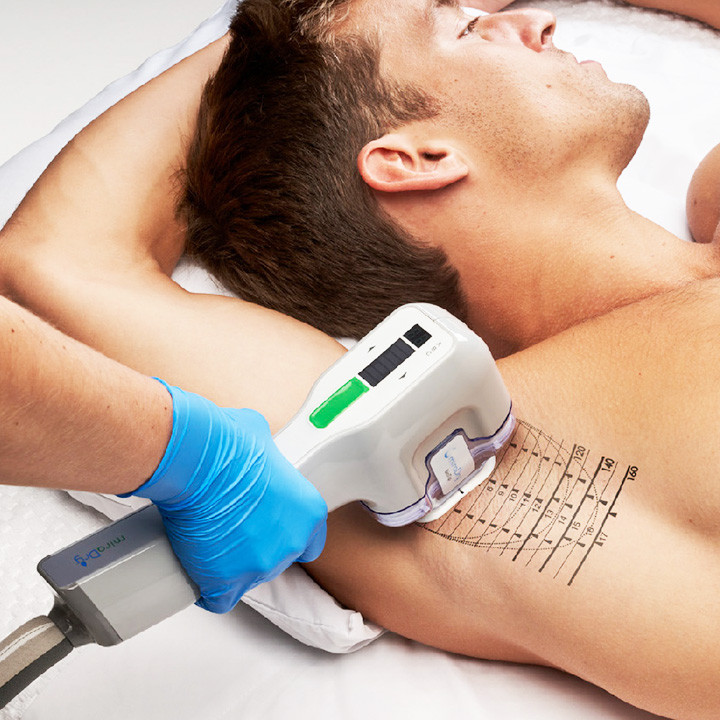
IPL is also a highly effective method of permanent hair removal. Similarly to laser hair removal, the hairs are reached during the growth phase and this is stopped permanently.

 01 358 28 01
 Book now