










The right care for acne
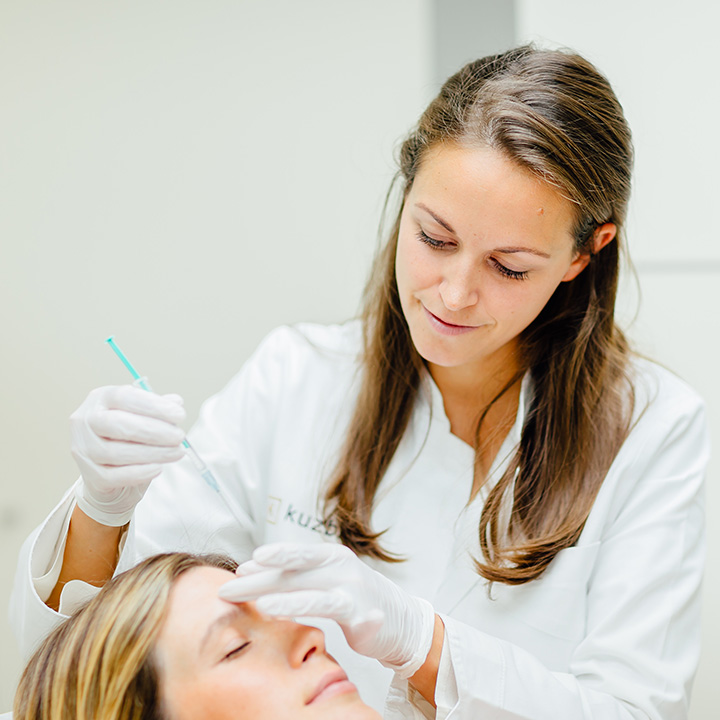
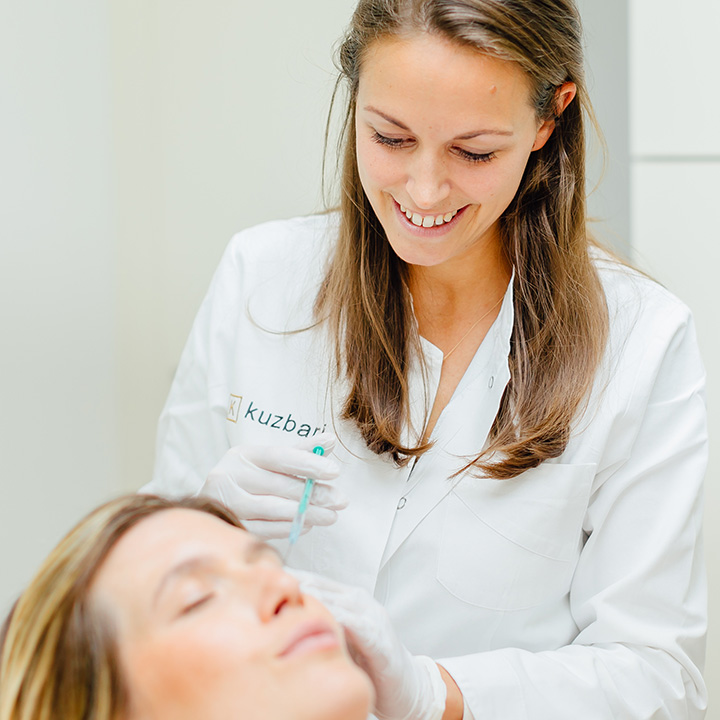
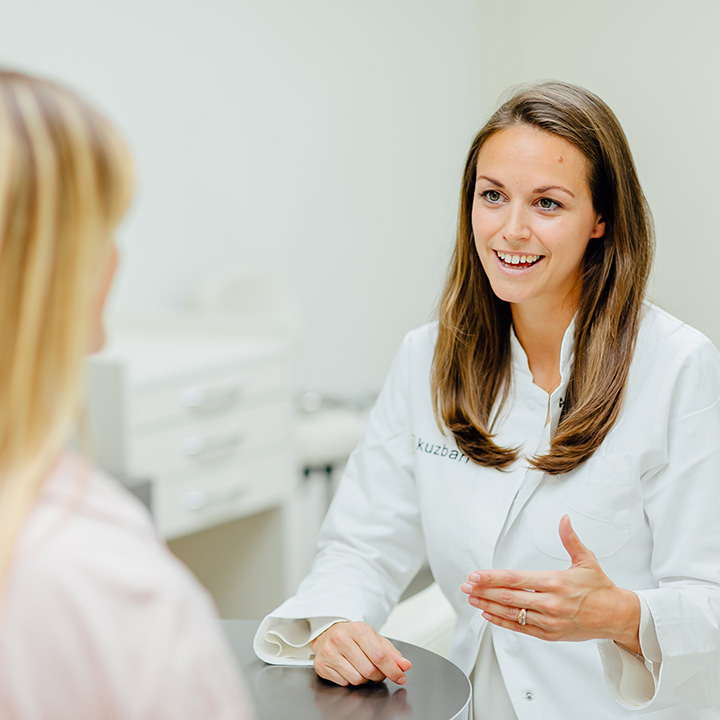
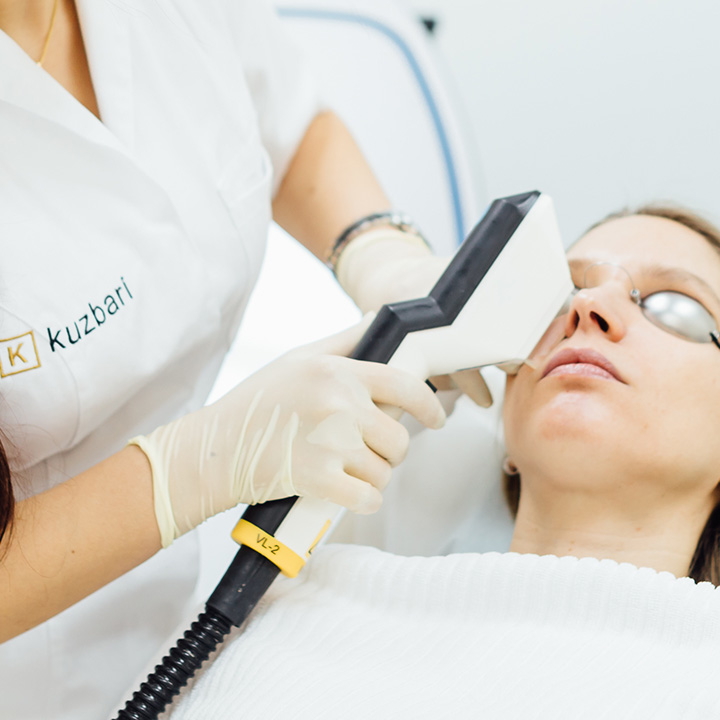
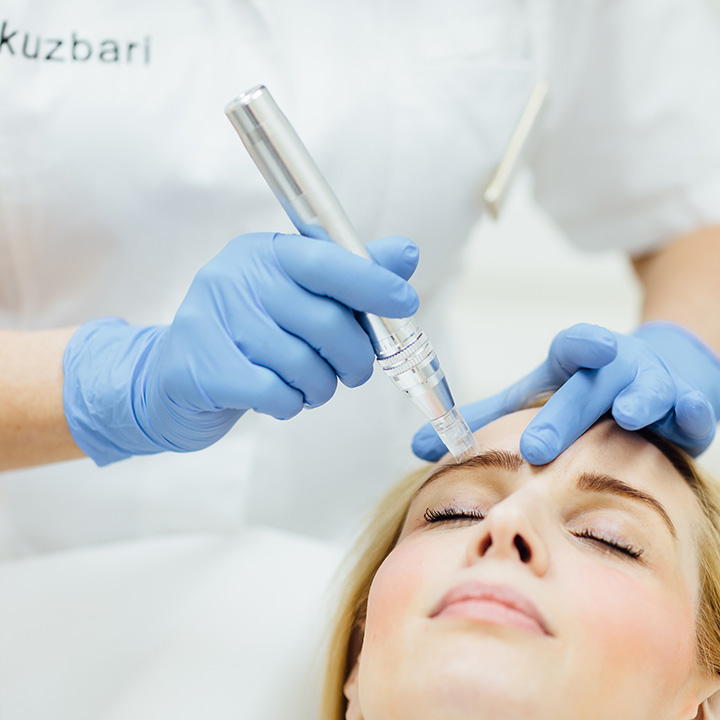
Sonja Panagiotides is a dermatological cosmetician with us at the Kuzbari Centre. She explains acne to us and gives us 5 important care tips.

What function does our skin have?
Our expert explains that the skin is the organ forming the boundary with the outside world and protects us from dangerous bacteria penetrating into our body system.
Like the intestine, the skin has a natural microflora which consists of healthy bacteria. These own bacteria compete with the bacteria of the outside world and protect us from the ‘dangerous intruders’.
How does acne develop?
Through factors such as age, the genes, the hormones and the environment, the natural barrier of the skin can be disturbed. Bacteria, fungi etc. settle there, which can subsequently cause inflammation of the skin and indeed acne as well.
What forms of acne are there?
Besides acne during puberty there is also so-called late-onset acne, but rosacea too is a skin disease in which acne-like symptoms such as inflamed areas of skin can occur.
The most important thing is first to have a dermatologist establish which form of acne it is, so that it can then be treated in a targeted way with individually tailored treatments and care products.
Sonja's five care tips for acne:
Do not use products containing oil.
Of course you want to conceal the unsightly spots as well as possible. Concealer and make-up are good helpers for this.
In doing so, however, you should absolutely take care to use oil-free (non-comedogenic) make-up, so as not to make the condition of the skin worse where acne is present. For the so-called ‘comedogens’ block the pores and encourage increased production of sebum. This leads to the development of yet more skin blemishes.
Apply sun protection!
The inflamed areas of skin react extremely sensitively to UVA and UVB rays. It is therefore especially important always to apply a high sun protection, because otherwise these can become discoloured dark and unsightly acne scars develop.
It is best to use a light make-up with integrated sun protection (e.g. by Heliocare with SPF 50) or a powder with sun protection (e.g. by Avène SPF 50).
That way you have killed two birds with one stone J
Mild cleansing
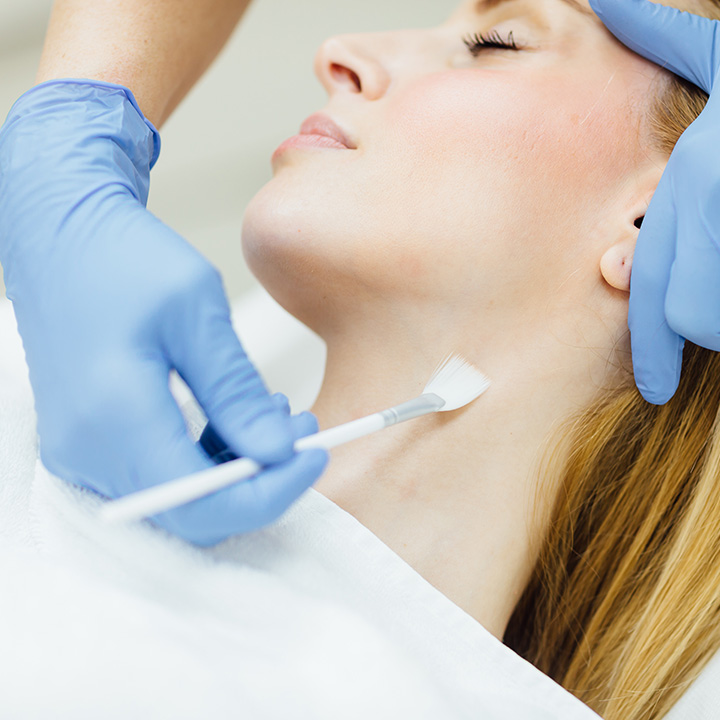
The right cleansing is also essential so as not to irritate or burden the troubled skin additionally. A mild cleansing fluid, e.g. by Neostrata, is ideal for cleansing the skin in the evening – the lactic acids it contains have an additional gentle peeling effect. So that the skin does not dry out too much, it is advisable to use a light moisturising care or a moisturising serum afterwards.
Fingers out of your face!
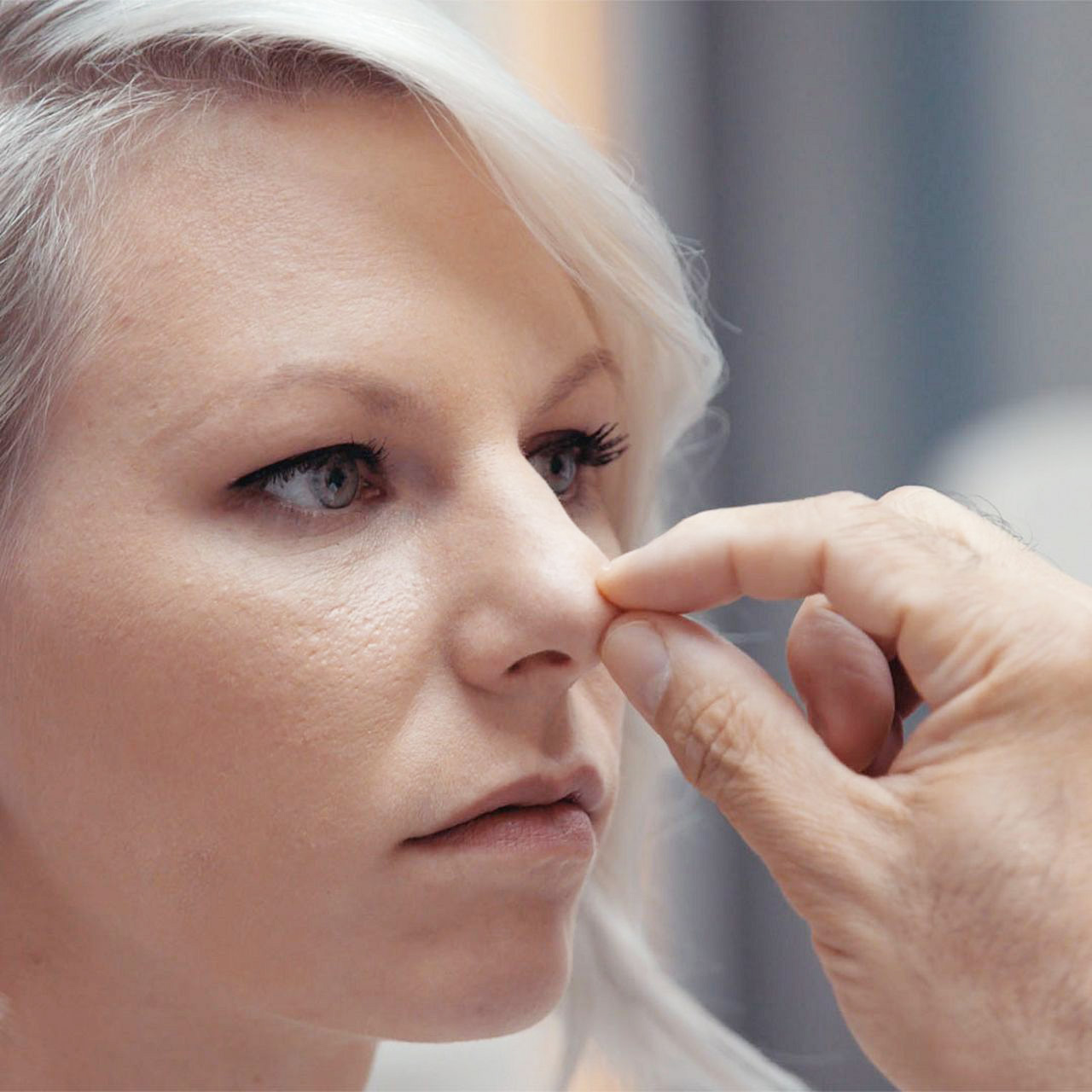
Especially important: keep your hands away from your face and do not squeeze anything yourself!
Germs and bacteria readily collect on the hands, especially under the nails, which can lead to spots and blackheads. Nor should you ‘doctor about’ with existing spots yourself, because there is a danger of squeezing them the wrong way and making the inflammation worse.
Diet plays a part!
Here opinions are indeed divided between western and eastern medicine:
- according to western medicine, diet and skin diseases are not connected with the health of the skin.
- eastern, Asian teaching knows, however, that the health of the body proceeds from the intestine and that the skin is the mirror image of the state of health.
In principle it is known that too much sugar, alcohol, caffeine, animal fats and dairy products can influence the condition of the skin negatively.
There is no golden rule, however – every body and every skin is individual and you have to learn to listen to your body in order to find out what is best for it.
If you would like to know more about methods of treating acne, simply click here or contact our dermato-cosmetician Sonja Panagiotides at the Kuzbari Centre.
She is glad to be there for you for information and detailed consultations!

 01 358 28 01
 Book now