



















Where will I have scars after breast surgery?
With a surgical procedure, scars are unavoidable. But how these scars look - barely visible or after all relatively conspicuous – depends above all on the aftercare of the scar. After a breast operation (whether a lift, a reduction or a breast augmentation with an implant) patience is certainly needed in every case, but with the right care the scar will barely be visible any more after a few months. How long does the healing take? And where will my scar be?
The scar after the breast operation
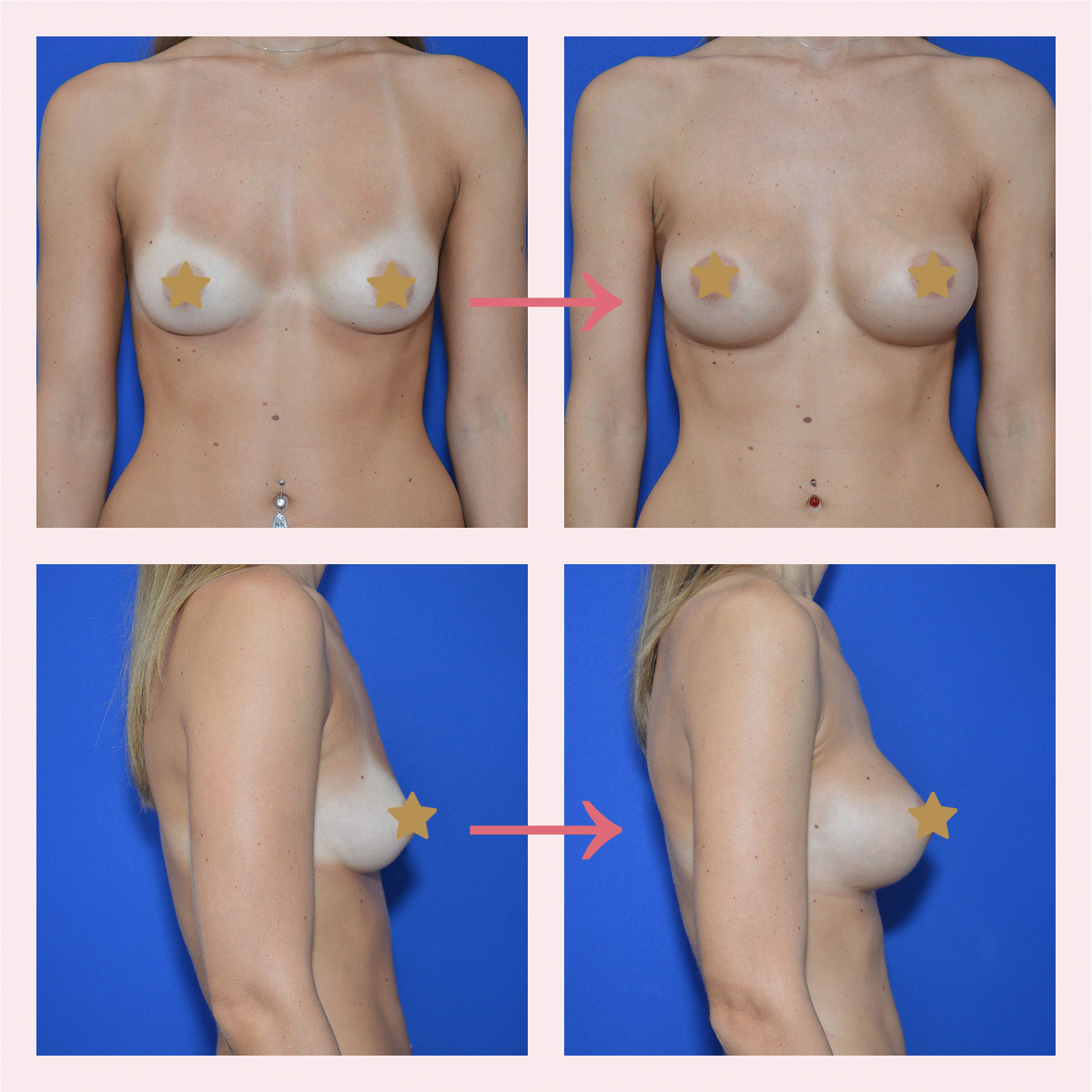
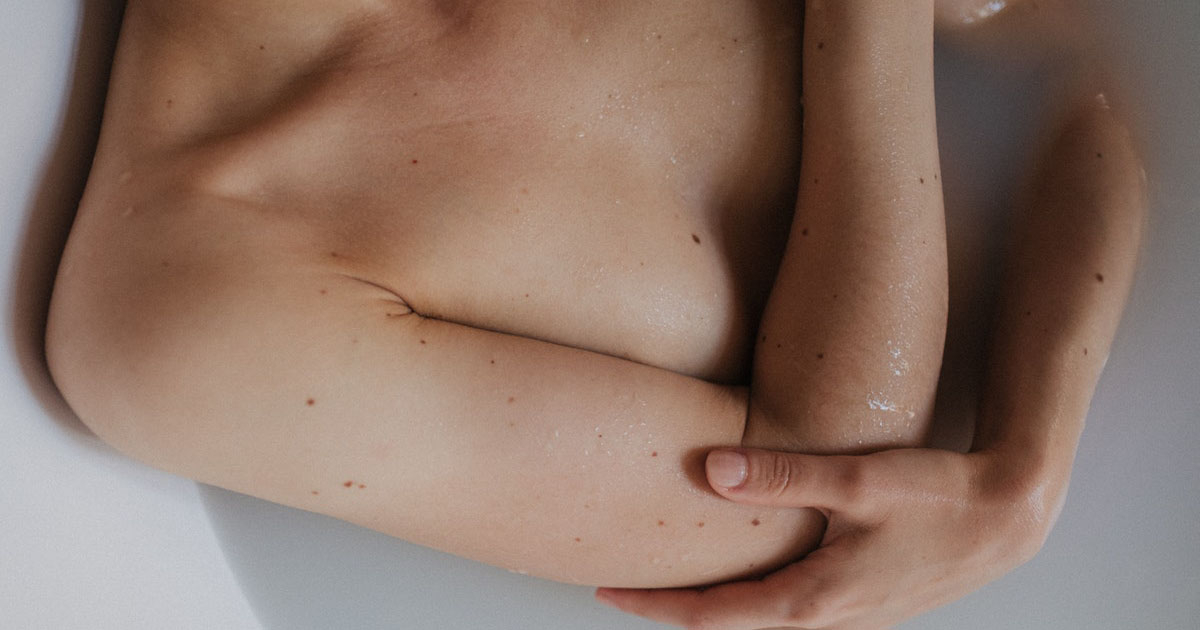
With a breast augmentation the incision is usually made in the inframammary fold, so that the scar is then covered by your own breast and thus becomes “invisible”. With a breast reduction or lift the scar is larger; it runs in the inframammary fold, then at a 90 degree angle up to the nipple and around it. This scar will of course be more conspicuous afterwards than that of a breast augmentation. Nevertheless, with the right aftercare a beautiful healing can be achieved here as well. However, the vertical incision is not required with every lift with an implant. If the breast does sag, but not so severely, it can be lifted with an incision only around the areola.
This is how a fresh scar should be cared for in the 1st year
There are very good creams and, alternatively, adhesive strips as well, which have a positive influence on wound healing after a surgical procedure and can also speed up the process. Your treating doctor will of course advise you in detail on this. The adhesive strips (tapes) should be changed every few days. The creams should be applied thinly every day after showering. From 6 weeks after the operation you can also stimulate the circulation of the scar with a gentle massage. Both options are part of the treatment and you receive them from us. In this way it can fade more quickly. In the early stages the scar may look purple or reddish; this is no cause for concern and will become lighter and lighter over the course of the months. In the first year the scar should be protected from the sun very strictly. If sun does reach the spot after all, a sun protection factor of 50 should always be applied. Otherwise the sun's rays, or visits to a solarium, can cause hyperpigmentation of the scar.
After about a year the scar has healed and in most cases is barely visible any more and, with the right care, cannot be distinguished from the surrounding skin by feel either.


 01 358 28 01
 Book now