Some patients worry before their operation that something might go wrong with the anaesthesia. Understandably so, since anaesthesia is not a familiar everyday situation. But how well founded are these worries really?
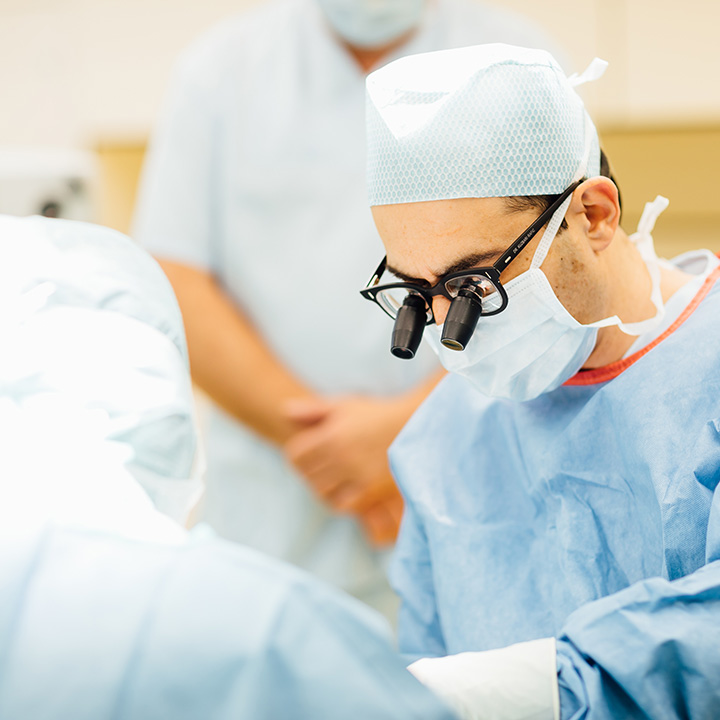
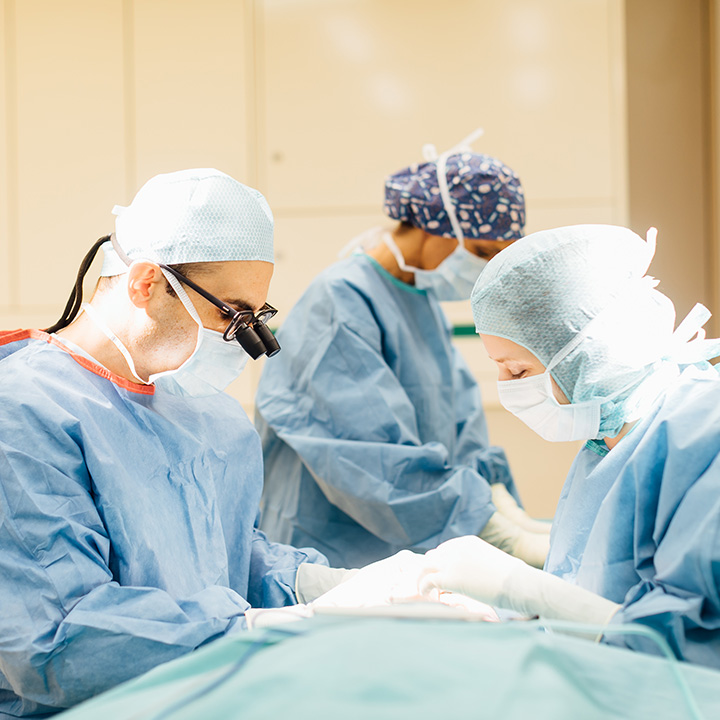
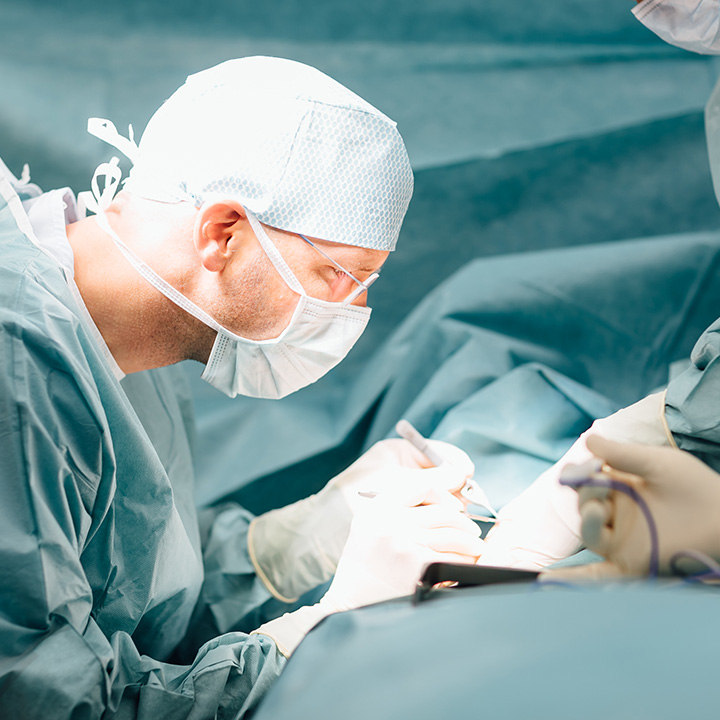
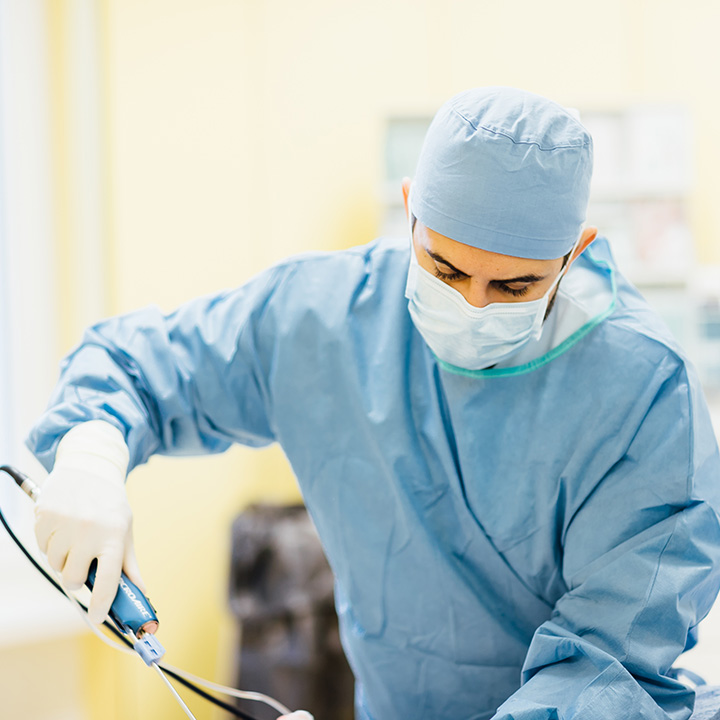
In the following video you see our experienced anaesthetist Dr. Tilo Pott live from the operating theatre at the Kuzbari Centre Vienna, where Dr. Andreas Dobrovits is currently carrying out a breast lift with implants.
Do you need to be afraid of anaesthesia?
How is it ensured that you do not wake up during the anaesthesia?
Can it happen that you no longer wake up after the operation?
1:1.000.000
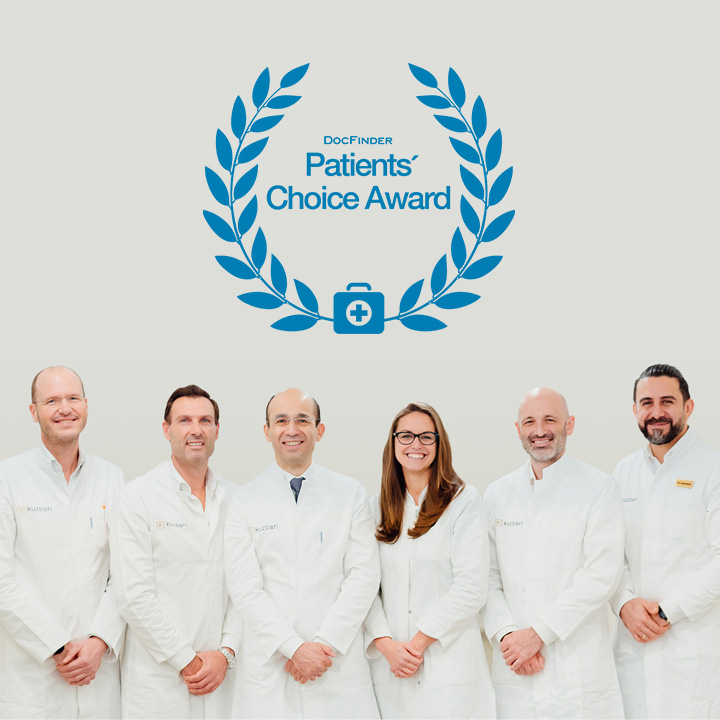
The chance of complications with an anaesthetic is around 1 in 1,000,000 in healthy patients. Whether you are healthy is something we check before the operation as part of the pre-anaesthesia clinic. At the Kuzbari Centre only specialists in anaesthesia work, all of whom have more than 20 years of experience. The anaesthetist is present throughout the entire operation and watches over the patient.
Further frequently asked questions about anaesthesia:
Can it happen that you do not wake up after an anaesthetic?
We use ultra-short-acting medicines, so that after the anaesthesia pumps are switched off the patient wakes as if from sleep a few minutes after the last skin suture. You are then of course still a little dazed, but you feel rested.
Are you in pain after waking up?
A modern pain therapy begins before the end of the operation. Before the anaesthesia pumps are switched off, the patient is already given painkillers. In addition the patient receives, if needed, later in the recovery room further pain medication, so that depending on the operation he can return to his room after 1-2 hours or, with some operations, can go straight home.
Which values are monitored during an anaesthetic?
Our experienced anaesthesia team monitors, among others, the following parameters: the ECG, the oxygen saturation in the blood, the heart rate, the blood pressure, the carbon dioxide in the exhaled air and the pressure in the chest during ventilation.
Which types of anaesthesia are available at the Kuzbari Centre?
The following types of anaesthesia are offered at the Kuzbari Centre:
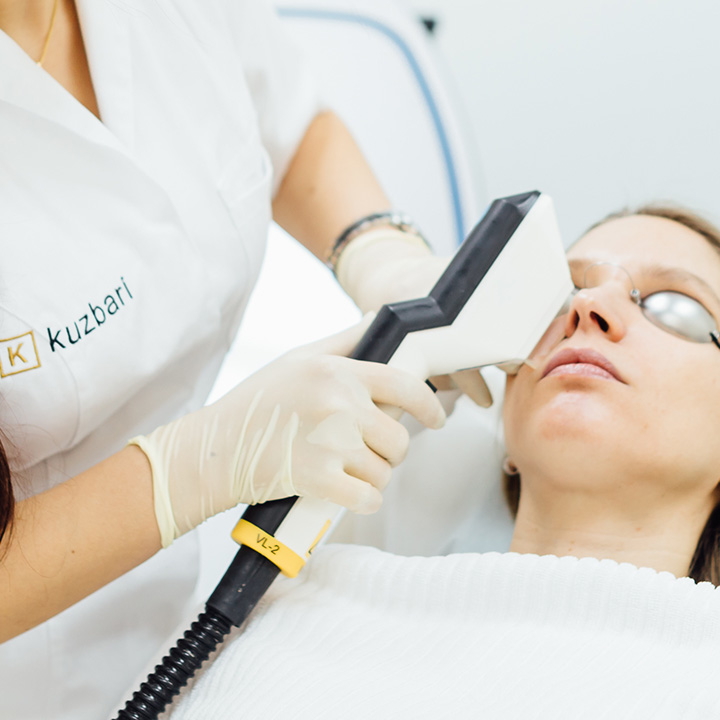
Anaesthetic cream, for example before laser or IPL treatments
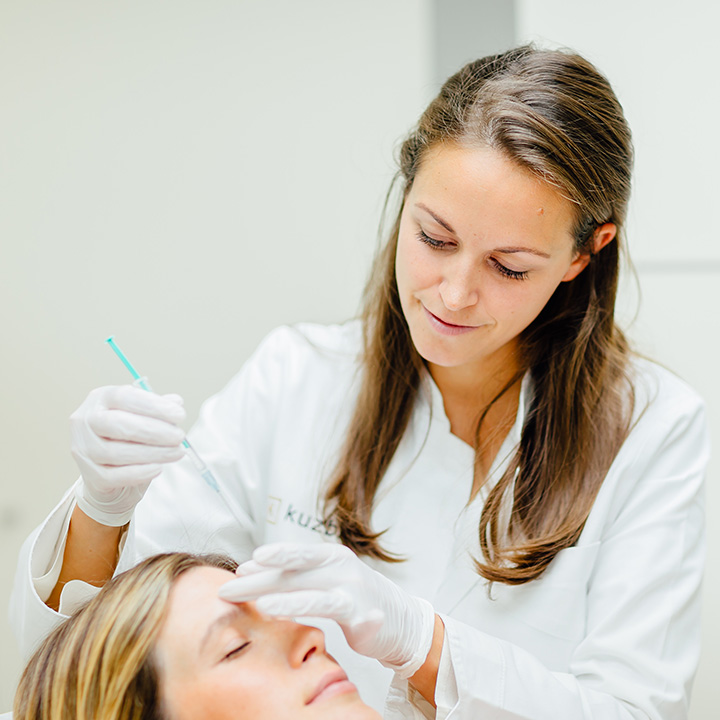
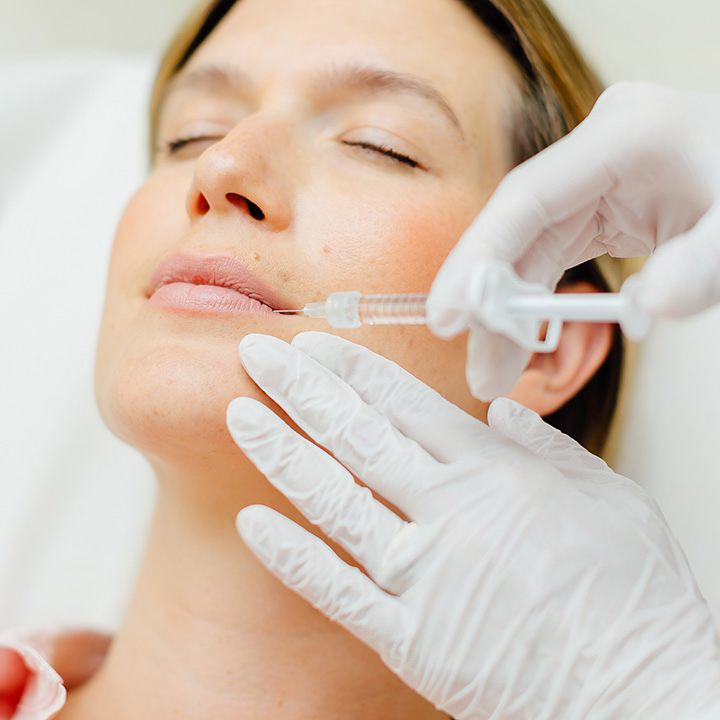
Local anaesthesia (local anaesthetic), for example with eyelid surgery: Local anaesthesia (local anaesthetic) is an anaesthetic over a small area. The sensation of pain in a particular area is switched off for a certain time. Local anaesthetics act directly at the branchings of the nerve endings in the subcutaneous tissue and inhibit the transmission of the pain impulses there. This allows smaller operations or examinations to be carried out painlessly. Consciousness and motor function (the ability to move) are retained.
Sedoanalgesia for example with liposuction: a sedative is injected that additionally has an anxiety-relieving and calming effect. Sometimes this takes place in combination with a painkiller. This gives rise to the term ‘sedoanalgesia’ (sedative = calming; analgesia = elimination of pain). As these medicines affect breathing and circulation, monitoring as with a general anaesthetic is necessary. The anaesthetist can therefore react to critical situations at any time.
General anaesthesia: An artificial, pain-free deep sleep is induced with medication. The aim is to switch off the patient’s consciousness and sensation of pain completely, in order to be able to carry out our surgical procedures such as breast augmentation or rhinoplasty and to create optimal conditions for this both for the patient and for the doctor.
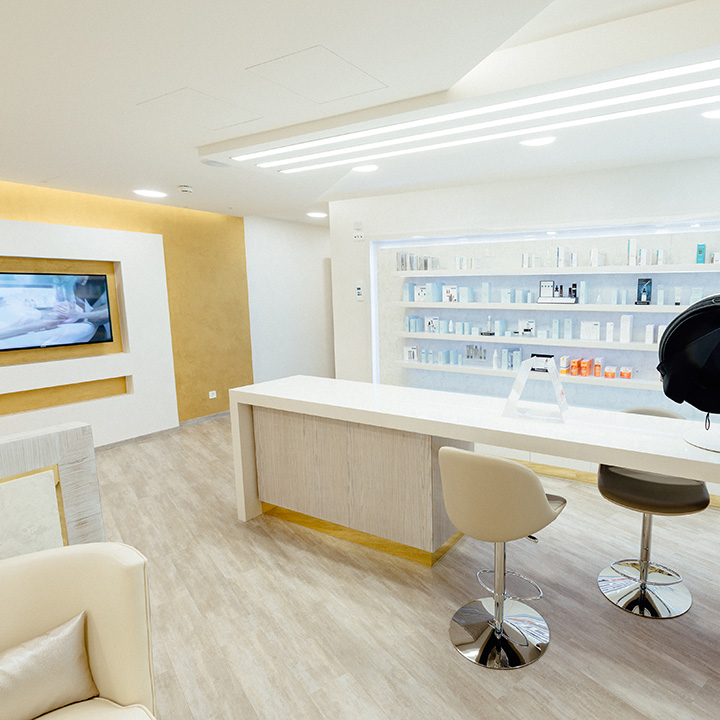
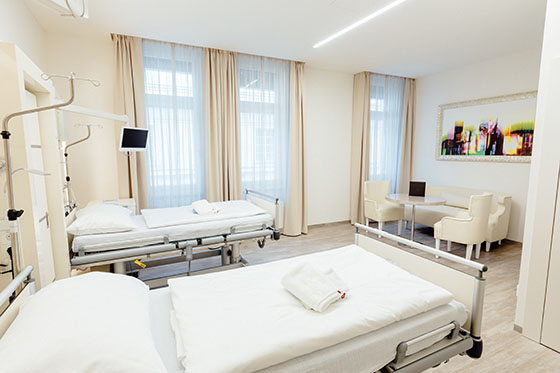
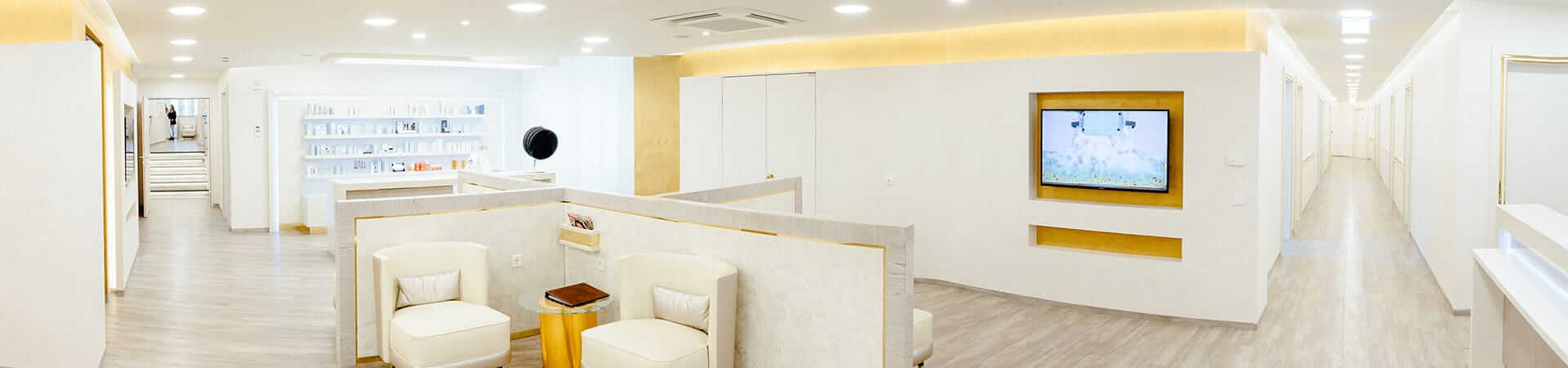
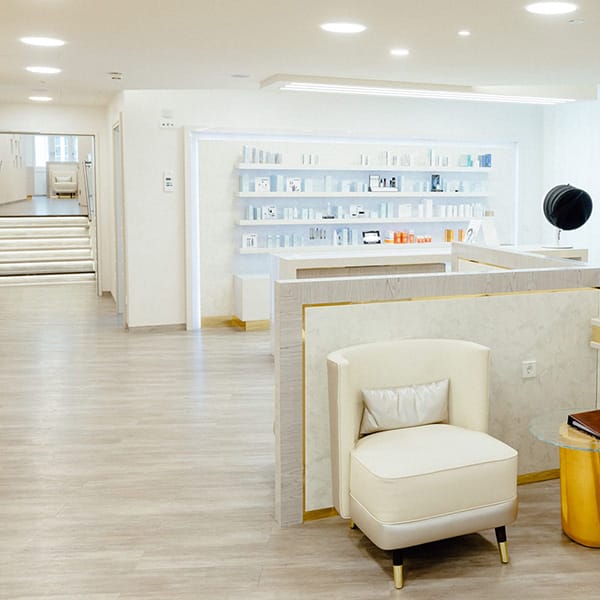
Clinic or hotel? Waking up after aesthetic surgery is only this pleasant at the Kuzbari Centre.
Do you still have a question?
In order to be able to answer your very personal questions about your aesthetic surgery, we have reserved part of our time exclusively for consultations.
Simply arrange your consultation appointment without obligation by telephone on +43 1 358 28 01 or through our online appointment booking on this page.























 01 358 28 01
 Book now