















The dark side of the sun
A summer full of records lies behind us. With seven weeks of fine weather in a row and the breaking of the 40°C mark in Bad Deutsch Altenberg, tropical temperatures prevailed in the Alpine republic this year. Time at last to enjoy balmy summer nights on the terrace, cooling leaps into the cold water or long walks on the beach. The stress-free time alone and the resulting effect of relaxation have a positive effect on the psyche, physical health and the skin appearance. A holiday by the sea in particular, and with it the combination of relaxation, sun and salt water, noticeably improves many skin diseases such as psoriasis, eczema, acne or allergies.
The daily dose of sunlight makes our spirits shine, but – hand on heart – it can happen that you have caught a few too many rays of sun or have not applied cream consistently. And probably every one of us has at some point woken from a nap in the shade to find themselves in the blazing sun – with an unpleasant result: sunburn.
But how does sun damage to the skin actually arise? The dermatologist Mag. Dr. Elke Janig from the Kuzbari Centre for Aesthetic Medicine has the answer to that: ‘Physically speaking, besides the visible light, UV rays also reach the earth's surface – and our skin. Here we essentially distinguish between short-wave UVB light, which plays an essential part in sunburn and the development of skin cancer, and long-wave UVA light, which penetrates into deeper layers of the skin and represents a main factor in skin ageing by damaging the framework of elastic and collagen fibres.’
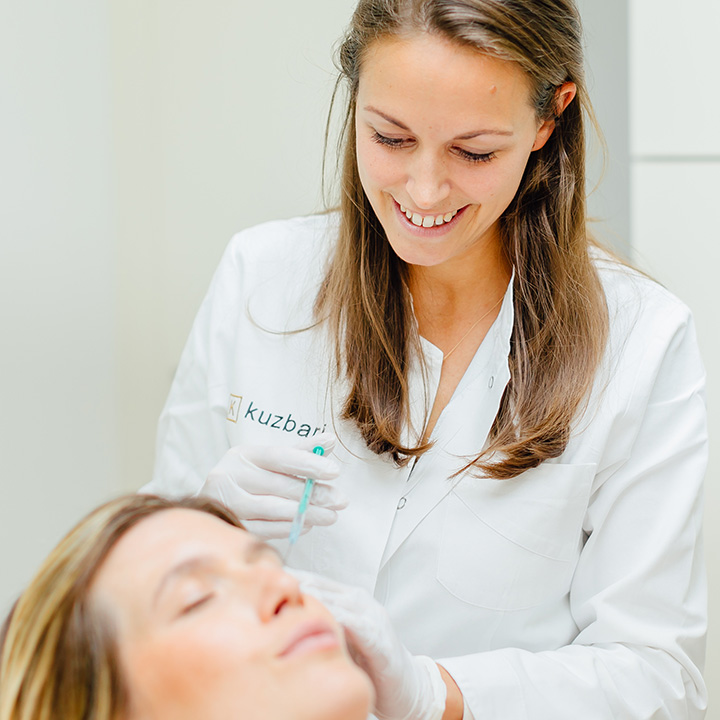
On the question of what can be done for the skin so that the damage does not turn out to be all too serious, Dr. Janig also has valuable tips to hand which are well worth taking to heart.
1. Regular mole checks can save lives.
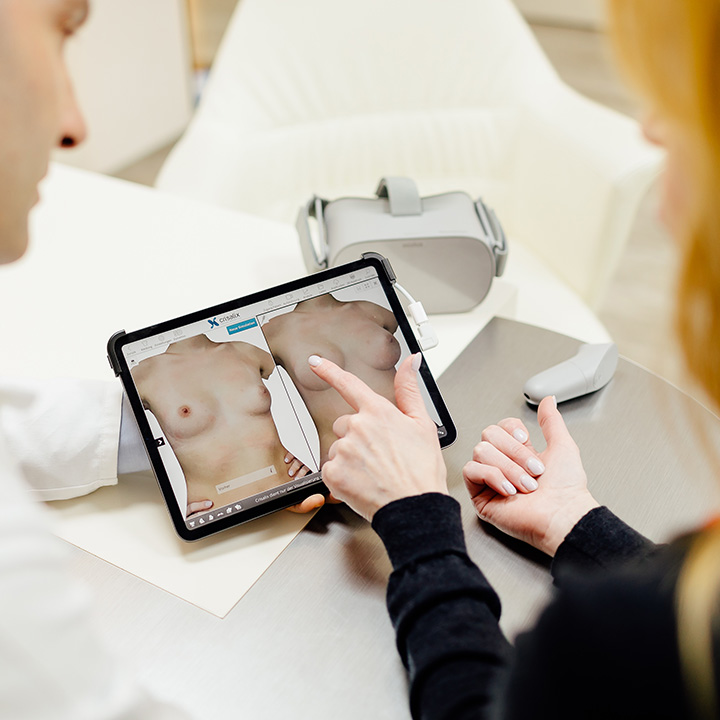
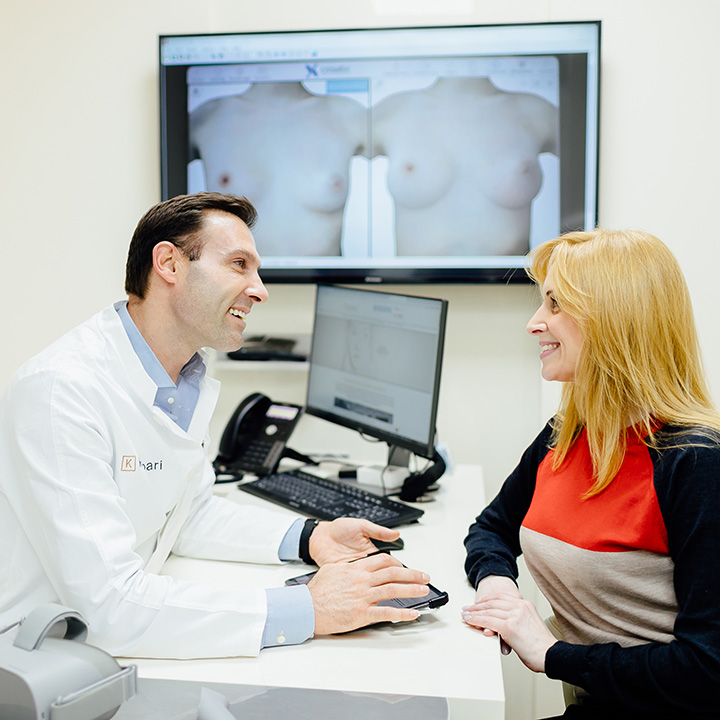
‘A distinction is made between white (such as actinic keratoses, squamous cell carcinoma, basal cell carcinoma) and black skin cancer (melanoma). Both can be recognised well nowadays with modern methods in a careful examination. During the examination, take care that your dermatologist takes time for you and also looks in the most hidden corners of the skin organ, for tumours also grow, for example, on the scalp, the palms of the hands, the soles of the feet or between the toes. Thanks to novel, digitalised methods, moles can be recorded precisely and compared at the next check. At the Kuzbari Centre for Aesthetic Medicine we have one of the most modern devices for digital epiluminescence microscopy. Every mole that could theoretically become suspicious can thus be documented immediately. That is an advantage in particular with patients who have many moles, since it allows a good overview to be kept.’
2. Laser, IPL & Fraxel against wrinkles & pigmentation disorders.
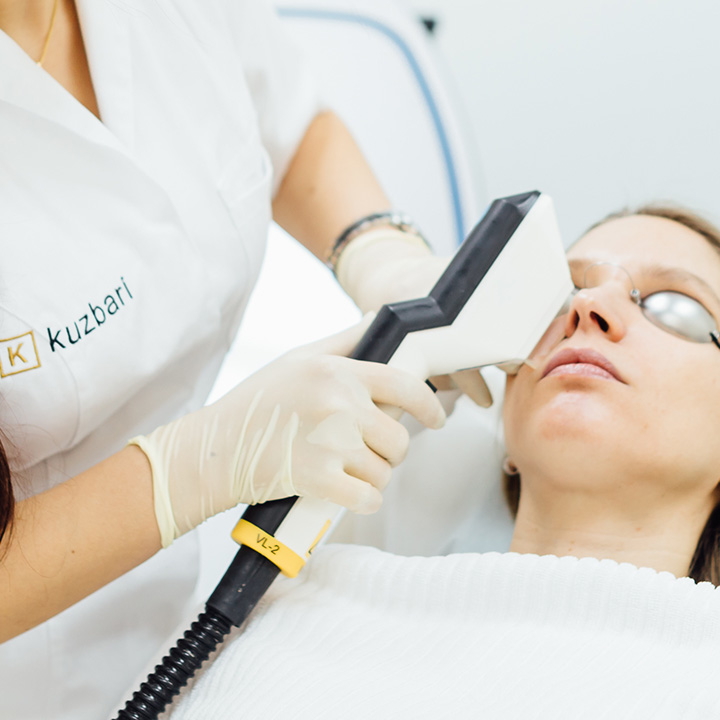
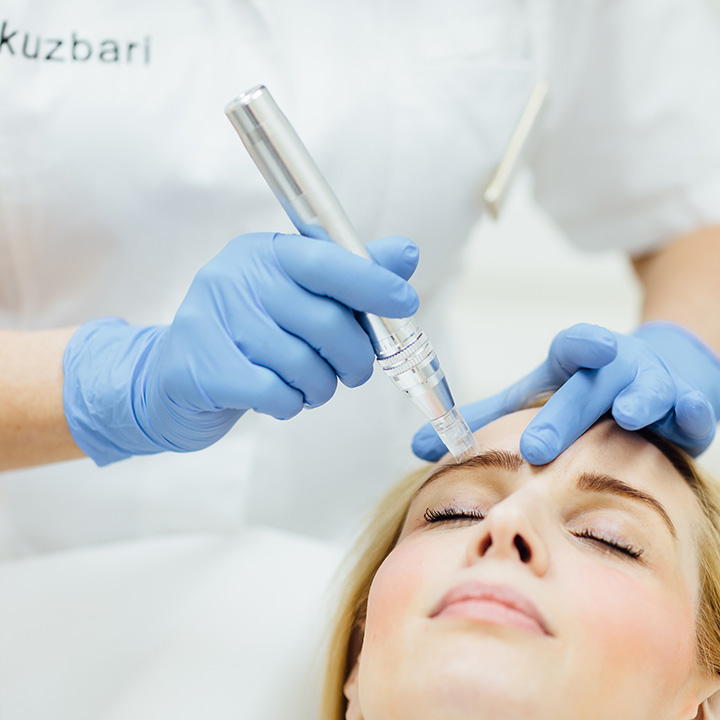
‘Pigment shifts such as melasma, pigment or age spots, as well as redness, can be treated very well with lasers or IPL (Intense Pulsed Light) devices. An especially good and helpful innovation of recent years is the Fraxel laser. In it the tiniest holes are ‘shot’ into the skin, so that the upper and lower skin is injured at individual points and a tightening process of renewal and rebuilding is thereby set in motion. In addition enough healthy skin remains in the surrounding area, from which the healing process can quickly set in. A short ‘down-time’, that is, a good result with a short absence, is thus guaranteed and you can quickly resume your usual everyday life. The areas of application on the face are above all superficial fine lines, lines, pigment irregularities or pigment spots, that is, many changes to the skin that arise through sun damage.’
3. They work real wonders: our peels.
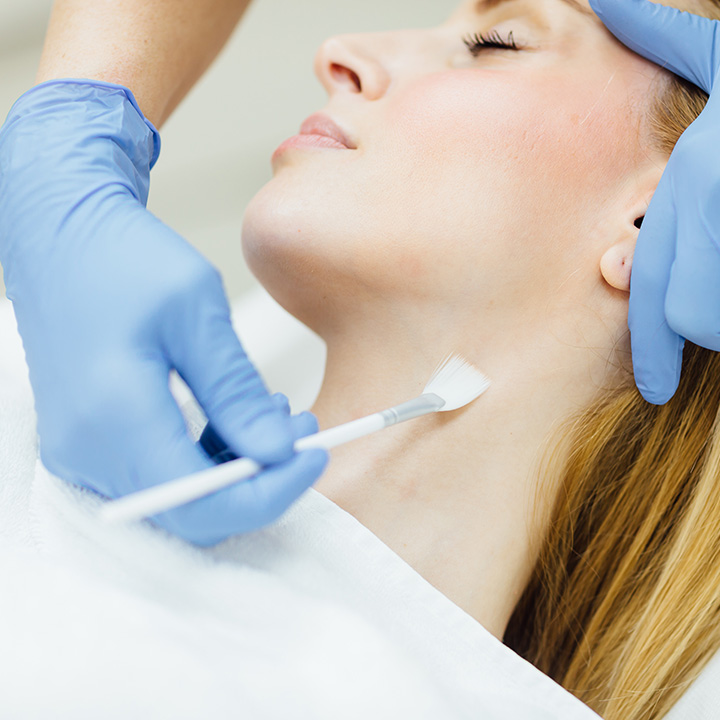
‘With special medical peels various UV-related types of skin damage can already be treated well. Superficial peels can be used for pigment spots; medium-depth peels, in turn, allow wrinkles to be smoothed. Some peels are also outstandingly suited for actinic keratoses, superficial skin cancer. That has also been proven by histological examinations. The results are not only cosmetically flawless, but are also suitable for prophylaxis. The best thing about it: through the peel we can sometimes even spare our patients operations on the face.’
4. Give your skin back fluid and vitamins.
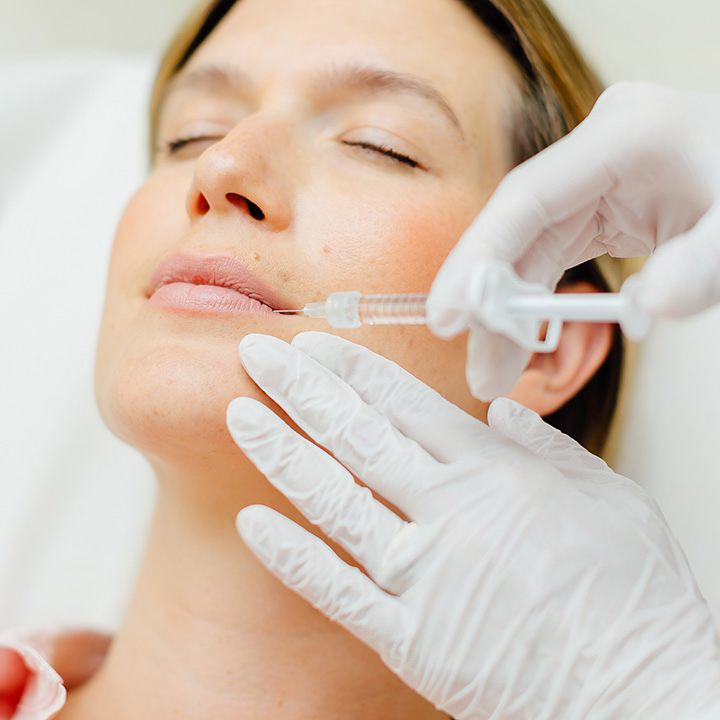
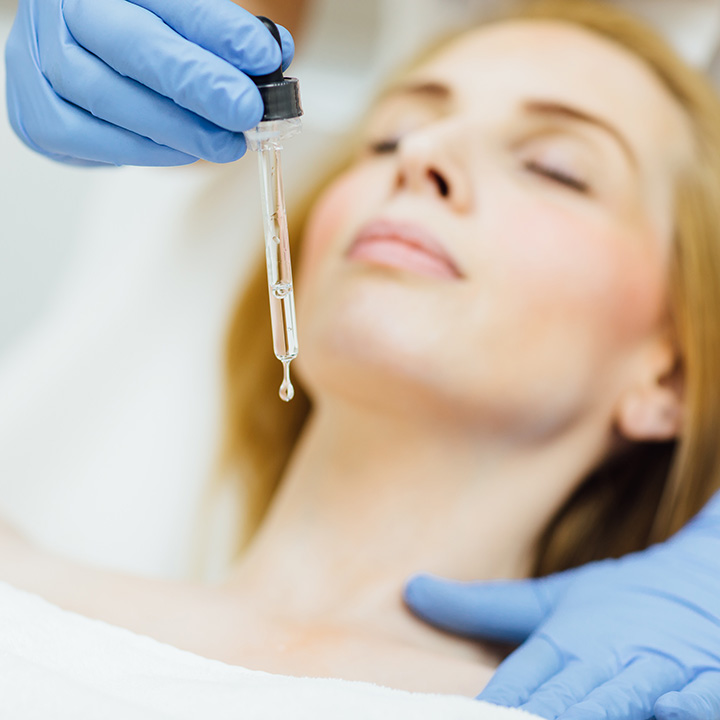
‘In summer the skin is stressed by UV light in the truest sense of the word, for the exposure to the sun forms free radicals which attack proteins, enzymes, DNA and the fibre framework. In addition there is a loss of fluid, which is why the skin looks less cushioned. Fine lines form, the skin has less firmness and therefore looks tired. With modern cosmetic and medical methods, however, we have outstanding possibilities for supporting the skin in its regeneration. We can thus supply it with the building blocks with whose help it can regenerate itself. Above all the products from SkinCeuticals® with their high proportions of vitamins are suited to this. At the Kuzbari Centre for Aesthetic Medicine we very much like to use the highly concentrated vitamin serums CE Ferulic and Phloretin CF for this, or, for rehydration, serums containing hyaluronic acid, in order to give the skin back fluid and firmness. But that alone is not enough for us: through special methods and facial massages we ensure that the precious ingredients reach the place where they are also needed, namely the subcutis.’
Any questions?
In order to be able to answer your very personal questions, we have reserved part of our time exclusively for consultations. Simply arrange your appointment on +43 1 358 28 02 or through our contact form.

 01 358 2828
 Book now